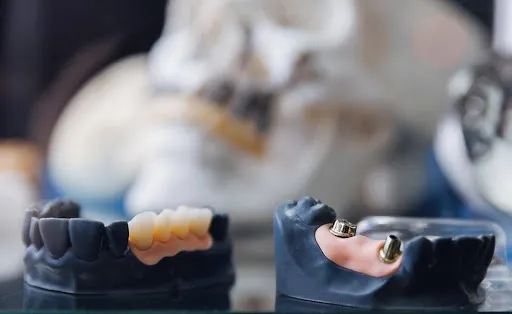
Missing teeth can affect far more than just your smile. They can interfere with your ability to chew comfortably, speak clearly and maintain proper oral health. Over time, untreated tooth loss can even lead to jawbone deterioration, shifting of adjacent teeth and noticeable changes in facial appearance.
In recent years, dental implants have become the most advanced and reliable solution for replacing missing teeth. Unlike traditional options, implants restore both function and aesthetics by closely mimicking natural teeth in strength, stability and appearance.
Leading dental clinics such as FMS Dental, known for their advanced implant technology and experienced specialists, have played a significant role in making high-quality implant treatments more accessible and predictable for patients. With modern diagnostics, precision planning and globally accepted protocols, patients today can expect safer procedures and long-lasting outcomes.
In this article, we will walk you through everything you need to know about dental implants… from ‘how they work and their benefits to costs, procedure and long-term care, so you can make an informed decision about restoring your smile.’
What Are Dental Implants?
Dental implants are artificial tooth roots made of medical-grade titanium that are placed into the jawbone to support replacement teeth. They provide a stable and permanent base for crowns & bridges and titanium frameworks to support artificial teeth in full mouth rehabilitation cases.
A dental implant system consists of:
-
Implant Fixture: Inserted into the jawbone
-
Abutment: Connects implant to the crown
-
Dental Crown: Visible artificial tooth
Unlike traditional tooth replacement options, implants fuse with the bone, creating a strong and durable foundation.
Why Missing Teeth Should Be Replaced?
Ignoring missing teeth can lead to a cascade of oral health problems. The gap left behind can affect surrounding teeth and underlying bone structure.
Here’s what can happen if missing teeth are not replaced:
-
Jawbone shrinkage due to lack of stimulation
-
Shifting of adjacent teeth leading to misalignment
-
Difficulty in chewing certain foods
-
Speech issues like slurring or lisping
-
Increased risk of gum disease and tooth decay
-
Premature aging due to facial sagging
Dental implants help prevent these complications while restoring both function and appearance.
What are the Key Benefits of Dental Implants?
Dental Implants are widely recognized as the gold standard for tooth replacement because they combine functionality with aesthetics.
Major advantages include:
-
Natural appearance: Matches your existing teeth perfectly
-
Long-lasting solution: Can last decades with proper care
-
Improved chewing efficiency: Eat all types of food comfortably
-
Bone preservation: Prevents jawbone loss
-
No damage to adjacent teeth: Unlike bridges
-
Stable and secure: No slipping like dentures
-
Better speech clarity: No movement while speaking
-
Enhanced confidence: Improves smile and self-esteem
These benefits make implants a worthwhile investment in long-term oral health.
What are the Types of Dental Implants?
Dental implants are classified based on the material used and their structural design. Commonly, implants are made from high-quality titanium or zirconia, both known for their strength, durability and biocompatibility. From a design perspective, implants are categorized as single-piece and two-piece systems, depending on their components. Additionally, based on the number of missing teeth and the type of prosthetic replacement required, dental implants can be further classified into various treatment options as outlined below.
Common types of dental implants include:
1. Single Tooth Implant
-
Ideal for replacement of one missing tooth
-
Preserves adjacent teeth
2. Multiple Implant-Supported Bridge
-
Replaces multiple missing teeth
-
Requires fewer implants than individual teeth replacements
3. Full Mouth Implants
-
Suitable for replacing complete missing teeth
-
Fixed alternative to removal dentures
4. All-on-4 / All-on-6 Implants
-
Full arch supported by 4 - 6 implants
-
Faster and cost-effective solution
Each option is customized based on patient needs and bone condition.
Dental Implant Procedure: What to Expect at FMS Dental, Hyderabad?
The dental implant process is carried out in stages to ensure precision and long-term success. While it may take a few months, the results are highly durable.
Step-by-step process:
1. Initial Consultation
-
Clinical examination
-
3D CBCT scan & medical evaluation
2. Implant Planning
-
Virtual placement for proper final outcome
-
Surgical guide
3. Implant Placement Surgery
-
Performed under local/general anaesthesia
-
Implant placed into jawbone
-
Provisional teeth placement (optional)
4. Healing Phase (Osseointegration)
-
Takes 3–6 months
-
Implant fuses with bone
5. Abutment Placement
-
Connector attached to implant
7. Permanent Crown Placement
-
Final tooth fixed for natural look
This phased approach ensures strength, stability and longevity.
Who Is Eligible for Dental Implants?
Dental implants are suitable for most adults, but certain factors determine eligibility. A thorough dental evaluation is necessary before treatment.
Ideal candidates:
-
Healthy gums and good oral hygiene
-
Adequate jawbone density
-
Non-smokers or controlled smoking habits
-
No severe uncontrolled medical conditions
May require additional care:
-
Patients with diabetes
-
Smokers
-
Individuals with bone loss (need bone grafting)
-
Those with chronic illnesses
Even if you are not an immediate candidate, preparatory treatments can make implants possible.
Is the Dental Implant Procedure Painful?
Many patients hesitate due to fear of pain, but dental implant surgery is generally painless. Modern techniques ensure a comfortable experience.
What patients typically experience:
-
Procedure is painless due to local anaesthesia
-
Mild swelling or discomfort for 2-3 days
-
Pain managed with prescribed medication
-
Return to normal routine within 1-2 days
Most patients report that implant surgery is easier than tooth extraction.
What is the Cost of Dental Implants in Hyderabad, India?
The cost of dental implants start from Rs. 24,000/- onwards at FMS Dental and varies depending on several clinical and technical factors.
Factors affecting cost:
-
Number of implants required
-
Type of implant system used
-
Additional procedures (bone graft, sinus lift)
-
Experience of the dentist
-
Clinic infrastructure and technology
Average price range:
-
Single Implant: ₹24,000 - ₹58,000 per implant
-
Full Mouth Implants: ₹3,50,000 - ₹6,50,000 per jaw
Dental Treatment Cost Comparison (India vs Rest of the World)
|
Treatment |
India (FMS Dental) |
USA |
UK |
Australia |
New Zealand |
Dubai |
|---|---|---|---|---|---|---|
|
Dental Implant (per tooth) |
$389 - $671 |
$3,500 - $6,000 |
$2,200 - $4,500 |
$2,700 - $4,800 |
$1,900 - $3,700 |
$1,360 - $3,270 |
|
Full Mouth Implants |
$7,500 - $14,000 |
$30,000 - $60,000 |
$25,000 - $50,000 |
$28,000 - $55,000 |
$35,000 - $70,000 |
$20,000 - $40,000 |
|
All-on-4 Implants |
$4,878 - $5,962 |
$35,000 - $60,000 |
$20,000 - $35,000 |
$22,000 - $45,000 |
$20,000 - $35,000 |
$12,000 - $25,000 |
|
Zygomatic Implants |
$7,000 - $9,200 |
$50,000 - $80,000 |
$35,000 -$65,000 |
$40,000 - $70,000 |
$45,000 - $75,000 |
$30,000 - $60,000 |
Patients can typically save 60–80% on dental treatment costs while receiving internationally comparable quality.
Compared to other options, implants reduce future replacement and maintenance costs.
What are the Risks and Safety of Dental Implants?
Dental implants are considered a safe and predictable procedure with a very high success rate. However, like any surgery, minimal risks exist.
Possible complications include:
-
Infection at the implant site
-
Implant failure (rare)
-
Nerve injury (very rare)
-
Sinus complications (upper jaw cases)
Choosing an experienced dental Implantologist significantly minimizes these risks.
How to Care for Dental Implants?
Maintaining dental implants is simple and similar to caring for natural teeth. Proper hygiene ensures long-term success.
Daily care routine:
-
Brush twice daily with a soft-bristle toothbrush
-
Floss or use interdental brushes
-
Use antibacterial mouthwash
Professional care:
-
Visit dentist every 6 months
-
Regular professional cleaning
-
Periodic implant evaluation
Avoid smoking and chewing hard objects to extend implant lifespan.
Thoughts from Dr.Shailaja Reddy, Head – Dept. of Implantology, FMS International Dental Center, Jubilee Hills, Hyderabad
“Dental implants have revolutionized the replacement of missing teeth by offering a solution that closely replicates natural function and aesthetics. With advancements in dental technology, the use of surgical guides has significantly improved the precision and aesthetics of implant treatments. Even in patients with limited jawbone, innovative solutions such as All-on-4, zygomatic, pterygoid and naso-alveolar implants make successful rehabilitation possible. However, the long-term success and durability of dental implants greatly depend on the patient compliance to maintaining good oral hygiene and regular follow-up care.”

लेखक