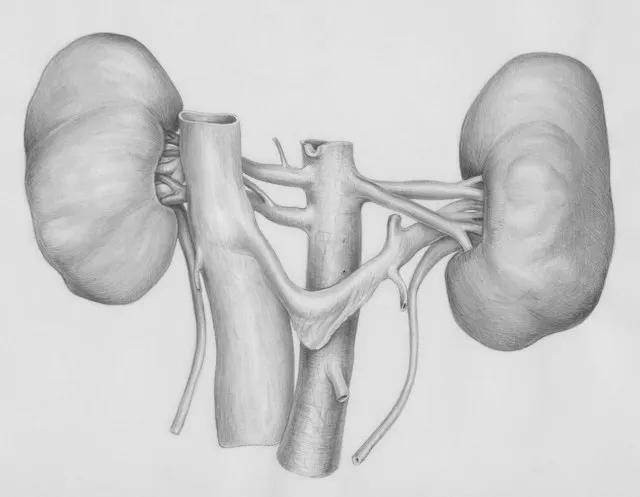
Kidney disease often develops gradually, with few noticeable symptoms during its early stages, making regular health screenings essential for protecting long-term well-being. For individuals seeking specialist kidney care, Pennsylvania Kidney Specialists at Clinical Renal Associates provide information about nephrology services, kidney disease management, and treatment options available in Pennsylvania. Understanding the importance of early detection can help individuals take preventive measures, manage existing health conditions, and reduce the likelihood of serious complications.
Understanding Kidney Disease and Its Early Stages
The kidneys play an essential role in filtering waste products, balancing fluids, regulating blood pressure, and maintaining important mineral levels in the body. When kidney function gradually declines, harmful substances can accumulate in the bloodstream and affect several vital organs. Chronic kidney disease develops over time and may remain undetected until significant kidney damage has already occurred.
Early-stage kidney disease frequently produces no obvious symptoms, which makes identifying the condition through routine medical examinations particularly important. Some individuals may experience fatigue, changes in urination, or mild swelling, although these symptoms can also indicate other medical conditions. Recognizing personal risk factors and discussing appropriate screening with a healthcare professional can help identify potential problems before they progress.
Why Early Detection Makes a Significant Difference
Detecting kidney disease early allows healthcare professionals to investigate underlying causes and recommend treatments that may slow further deterioration. Conditions such as diabetes, high blood pressure, and cardiovascular disease can contribute to kidney damage when they remain poorly controlled. Addressing these conditions promptly can help preserve kidney function and reduce the risk of additional health complications.
Early diagnosis also gives patients more time to understand their condition and make informed decisions about their health. Healthcare providers can monitor changes in kidney function, adjust medications, and recommend appropriate lifestyle modifications based on individual needs. This proactive approach may delay disease progression and help patients maintain a better quality of life.
Common Risk Factors That Should Not Be Overlooked
Diabetes and high blood pressure are among the leading causes of chronic kidney disease, making regular monitoring particularly important for affected individuals. Elevated blood sugar can damage the kidneys' filtering structures, while uncontrolled blood pressure can weaken the blood vessels responsible for maintaining healthy kidney function. People living with either condition should discuss kidney screening with their healthcare providers, even when they feel healthy.
Other risk factors include a family history of kidney disease, cardiovascular conditions, obesity, and increasing age. Certain medications, recurrent kidney infections, and autoimmune disorders may also contribute to kidney damage in some individuals. Understanding these risks allows patients and healthcare professionals to establish appropriate monitoring schedules and preventive strategies.
How Kidney Function Tests Support Early Diagnosis
Blood and urine tests provide valuable information about kidney health before noticeable symptoms develop. A blood test measuring creatinine helps estimate the glomerular filtration rate, which indicates how effectively the kidneys filter waste products. Urine testing can detect elevated albumin levels, which may suggest damage to the kidneys' filtering structures.
Healthcare professionals generally interpret these results alongside medical history, blood pressure readings, and other relevant findings. Because kidney function can fluctuate temporarily, abnormal results may require repeat testing to determine whether a persistent problem exists. Regular monitoring helps identify concerning trends and supports timely decisions about further investigation or specialist referral.
Preventing Serious Complications Through Timely Treatment
Untreated kidney disease can contribute to complications involving the heart, bones, blood vessels, and other important body systems. As kidney function declines, patients may develop anemia, fluid retention, mineral imbalances, and an increased risk of cardiovascular problems. Identifying kidney disease before these complications develop creates opportunities for targeted treatment and closer medical supervision.
Treatment strategies depend on the underlying cause, disease severity, and individual health circumstances. Healthcare professionals may recommend blood pressure management, diabetes control, medication adjustments, and dietary changes to reduce additional kidney damage. When appropriate, specialist nephrology care can provide further evaluation and coordinated management of complex kidney conditions.
Supporting Kidney Health Through Everyday Habits
Maintaining healthy daily habits can complement medical treatment and support overall kidney function. A balanced diet, regular physical activity, appropriate hydration, and reduced sodium consumption may help manage blood pressure and other kidney disease risk factors. Patients with established kidney disease should seek individualized dietary guidance because their nutritional requirements may differ.
Avoiding tobacco, limiting excessive alcohol consumption, and using medications responsibly can also support long-term health. Certain over-the-counter pain relievers may harm kidney function when used frequently, particularly among people with existing kidney problems. Discussing medications and supplements with a healthcare professional helps reduce avoidable risks while supporting safer treatment decisions.
Conclusion
Early detection of kidney disease is essential for reducing preventable complications and protecting long-term health. Through appropriate screening, effective management of underlying conditions, and timely medical intervention, individuals may slow disease progression and maintain better overall well-being. Taking kidney health seriously before symptoms become severe provides the best opportunity to preserve kidney function and avoid more complicated treatments in the future.

लेखक