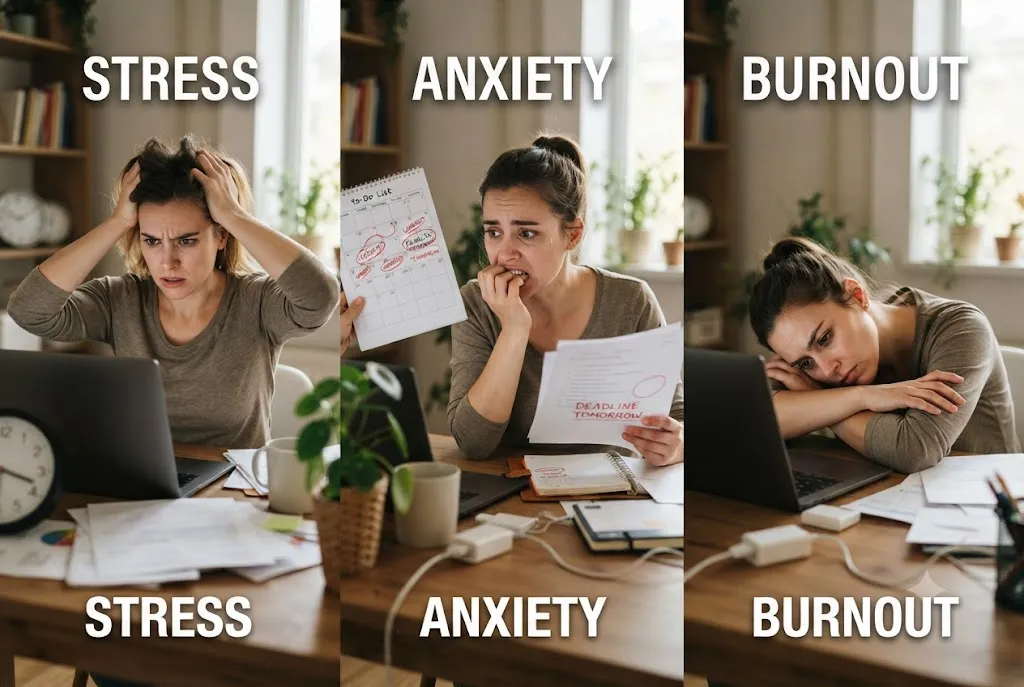
When most people picture depression, they imagine someone who cannot get out of bed, has stopped going to work, or has pulled away from friends. That picture is real for many people, but it leaves out a large group: those who keep showing up. They meet deadlines, care for their families, and answer texts, all while feeling heavy, empty, or exhausted inside. This is often called high-functioning depression, and it is one of the most overlooked forms of emotional struggle.
What High-Functioning Depression Looks Like
"High-functioning depression" is not a formal diagnosis. It is an everyday phrase people use to describe depression that does not stop someone from handling daily responsibilities, at least on the surface. Because life keeps moving, the person and those around them may assume everything is fine. Many people only start to look for help after months or years of quietly pushing through, and options like outpatient depression treatment in Los Angeles and other cities exist in part because so many people need support that fits around work, school, and family life.
People experiencing this type of depression may notice:
-
Feeling flat or joyless even when things are going well
-
Constant tiredness that rest does not fix
-
Harsh self-criticism or feeling like nothing is ever good enough
-
Irritability or a short fuse
-
Losing interest in hobbies while still keeping up with obligations
-
Relying on busyness to avoid uncomfortable feelings
Why It So Often Goes Unnoticed
There are several reasons this kind of depression slips under the radar, both for the person living with it and for the people around them.
Success Can Hide Struggle
When someone is getting promotions, keeping a clean house, or raising kids, others tend to assume they are doing well. Achievement becomes a kind of camouflage. The person may even use their accomplishments as proof that they do not "really" need help.
People Compare Themselves to Worse Cases
Many people with high-functioning depression tell themselves that others have it harder. Because they can still function, they decide their feelings do not count. This comparison can delay care for a long time.
Stigma and Self-Reliance
Some people grew up believing that asking for help is a sign of weakness. Others worry about how it might affect their job or reputation. These beliefs can make it feel safer to stay quiet and keep going.
The Symptoms Feel Like Personality
When low mood has been around for a long time, it can start to feel like part of who you are. A person might think, "I've always been this way," instead of recognizing that something treatable is going on.
The Hidden Cost of Pushing Through
Keeping up appearances takes energy. Over time, holding everything together while feeling low inside can wear a person down. Relationships may become strained because the person has little left to give at the end of the day. Physical health can suffer through poor sleep, changes in appetite, or tension headaches. Some people turn to alcohol or other substances to cope, which can create new problems.
It is also possible for symptoms to deepen if they are not addressed. What began as a steady low mood can grow heavier, especially during periods of added stress.
What the Research Tells Us
According to the National Institute of Mental Health, depression is a common but serious mood disorder, and it is treatable even in its more persistent forms. NIMH also notes that symptoms and severity vary widely from person to person, which helps explain why depression does not always look the way people expect.
One form that often overlaps with the idea of high-functioning depression is persistent depressive disorder, sometimes called dysthymia. It involves a lower-level depressed mood that lasts for a long time. Only a qualified professional can determine what a person is experiencing, but knowing that these longer-lasting forms exist can help people take their feelings more seriously.
What Support Can Look Like
Help for depression does not have to mean stepping away from everything. Many people find relief through options that fit into their current lives.
Common forms of support include:
-
Talk therapy, such as cognitive behavioral therapy, which helps people notice and shift unhelpful thought patterns
-
Outpatient programs that offer structured care while allowing people to keep living at home
-
Medication, when recommended and managed by a qualified prescriber
-
Support groups, where people can share experiences with others who understand
-
Lifestyle changes, like regular movement, steady sleep, and time with supportive people
A good first step is often a conversation with a primary care doctor or a licensed therapist. Being honest about what life feels like on the inside, not just what it looks like from the outside, can help a provider understand what kind of care might fit.
How to Support Someone Who Seems Fine
If you suspect a friend, partner, or coworker is struggling behind a capable exterior, a gentle check-in can mean a lot. You might say, "You've seemed really tired lately. How are you doing, really?" Listening without rushing to fix things can help them feel safe enough to open up.
Strength in Asking for Support
Being able to keep going while feeling low is a sign of resilience, but it does not mean you have to keep carrying everything alone. Depression is not a character flaw, and needing help is not a failure. Reaching out to a professional, a trusted friend, or a support group can lighten the load. You deserve to feel well, not just to function.

लेखक