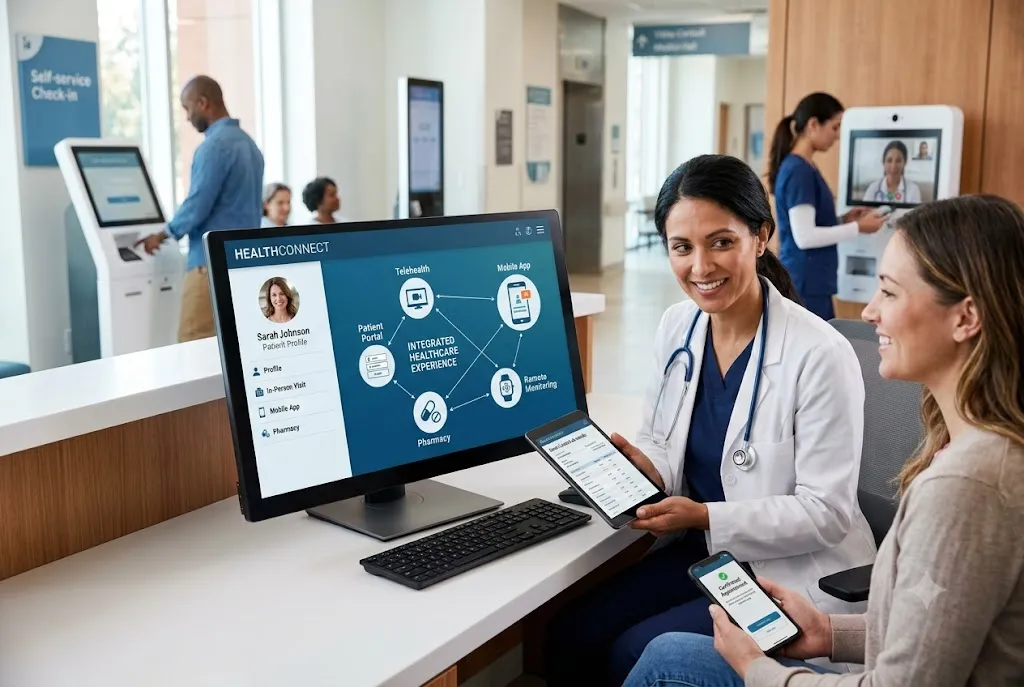
Many hospitals spend on the installation of Hospital Management Software (HMS) to optimize their operations. They look for faster processes, better patient services, and improved coordination.
Unfortunately, there may still be difficulties after its implementation. There may still be manual processes in use. There may be duplicate patient records. There may also be billing delays. Departments may have trouble sharing information.
Many times, the problem is not with the software. The problem is that the hospitals do not use it effectively.
A hospital management software audit will reveal where there are gaps. It will determine whether the software serves current processes and goals. It will also point to ways to optimize the manual processes.
This kind of audit is more than looking at existing features. This audit will determine the benefits brought by this software.
Why Should Hospitals Audit Their Hospital Management Software?
A hospital management software audit allows the hospital management to evaluate the level of effectiveness with which its technology is performing.
Regular audits can help hospitals:
Identify inefficient workflows across departments
Improve staff productivity and system adoption
Reduce billing errors and revenue leakage
Strengthen data accuracy and reporting
Improve patient experience through faster processes
Ensure better utilization of existing software capabilities
A high-performance HMS will function as an interface between clinical, administrative, and financial processes of the hospital rather than just a data entry tool.
Hospital Management Software Audit Checklist
The audit process needs to be all-inclusive so that it covers all important aspects of hospitals’ operations, ranging from registration, documentation of patients’ cases, accounting, inventory, and analysis. The list below is designed to help the hospital management pinpoint areas for improvement and keep their system running smoothly.
1. Patient Registration & Appointment Management
The patient journey starts from registration to appointment booking. Any delays or inefficiencies that occur here may affect patient satisfaction levels and increase the workload of the front desk staff.
Ask these questions:
Is patient registration completed quickly and accurately?
Are duplicate patient records automatically identified?
Is appointment scheduling centralized across departments?
Are appointment reminders sent automatically?
Can staff monitor patient queues and waiting times?
Hospitals need to consider whether the processes of registration and appointment booking decrease manual work and enhance the patient experience in general. Software solutions such as Healthray Hospital Management Software help hospitals link their patients’ registration, appointments, and information management processes.
2. Clinical Documentation & Patient Records
Decision-making by the clinical team requires information about the patients. The review of the Hospital Management Software should include the accessibility of records by doctors and other medical staff.
Ask these questions:
Can doctors access a complete patient history instantly?
Are Electronic Medical Records updated in real time?
Are prescriptions and clinical notes digitally maintained?
Is patient information protected with proper access controls?
Can records be retrieved quickly whenever required?
A well-structured digital record system, supported by reliable EMR Software, improves communication between departments, enables faster clinical decisions, and reduces dependency on physical files or disconnected systems.
3. Billing & Revenue Management
The financial operations process is one of the most important ones that should be evaluated in the HMS audit. Any small mistake in the billing process will result in a delayed payment process and financial losses for the hospital. Without coordination between the pharmacy, laboratory, and billing modules, patients will get duplicate bills or their insurance claim processing will be delayed.
Ask these questions:
Are billing errors tracked and reduced?
Are insurance claims processed efficiently?
Can administrators monitor outstanding payments?
Are revenue reports generated automatically?
Is financial data available for decision-making?
A hospital requires clear insight into its financial performance. Tools such as Healthray allow for integrating the billing process and increasing transparency in managing financial operations.
4. Pharmacy, Laboratory & Inventory Management
Departments such as pharmacy, laboratory, and inventory play a critical role in smooth hospital operations. Disconnected systems can lead to delays, stock issues, and unnecessary manual coordination.
Ask these questions:
Are inventory levels updated automatically?
Are medicine expiry dates monitored?
Are pharmacy and billing systems connected?
Are laboratory reports linked with patient records?
Can staff identify stock shortages before they impact services?
An effective Hospital Management Software should allow different departments to exchange information seamlessly, improving coordination and reducing operational delays.
5. Reporting, Analytics & Administration
Hospital leadership requires accurate data to make strategic decisions. A strong HMS should provide real-time insights rather than requiring teams to manually collect information from multiple sources.
Ask these questions:
Are real-time dashboards available for administrators?
Can management track department performance?
Are operational reports generated automatically?
Is user access reviewed regularly?
Is software performance evaluated periodically?
Analytics help hospitals understand trends, identify bottlenecks, and make improvements based on actual performance data.
What Should Hospitals Do After an HMS Audit?
Completing an audit is only the first step. Hospitals should create an action plan based on the identified gaps and prioritize improvements that have the highest operational impact.
This may include improving staff training, enabling unused features, automating repetitive processes, or optimizing existing workflows.
Modern solutions such as Healthray Hospital Management Software provide integrated capabilities across areas like clinical documentation, billing, pharmacy, laboratory operations, inventory, and analytics, allowing hospitals to improve efficiency without disrupting ongoing operations.
Conclusion
A Hospital Management Software audit ensures that technology continues to support the changing needs of a hospital. Regular evaluation helps identify gaps, improve workflow efficiency, reduce operational challenges, and enhance patient care.
Hospitals that continuously optimize their HMS can achieve better collaboration between departments, make data-driven decisions, and get greater value from their digital investments.

लेखक