The pain struck at the moment of climax, explosive, incapacitating, unlike any headache he'd experienced before. He clutched his head, terrified that something had ruptured inside his brain. The episode passed within minutes, but the fear didn't. He mentioned nothing to his doctor, too embarrassed to discuss sexual activity, too worried about what the symptom might mean. The headaches continued for months, unpredictably ruining intimacy and generating anxiety that compounded with each occurrence.
Primary sexual headache affects an estimated 1 percent of the population at some point in life, though the actual prevalence is likely higher given profound underreporting. The condition is usually benign but terrifying, mimicking the presentation of serious intracranial pathology. Patients suffer in silence, avoiding sex rather than seeking evaluation, unaware that effective treatment exists for a condition that is nearly always medically innocent.
The Two Patterns
Sexual headache presents in two distinct patterns with different mechanisms and implications. Understanding which type is occurring guides both evaluation and treatment.
Pre-orgasmic headache develops gradually during sexual arousal, building in intensity as excitement increases. It's typically bilateral, located in the back of the head and neck, and has a muscular quality. The mechanism appears related to excessive contraction of head and neck muscles during sexual activity, a variant of tension-type headache triggered by the physical exertion of sex.
Orgasmic headache explodes suddenly at climax, reaching maximum intensity within seconds. It's typically severe, often bilateral, and may be throbbing or stabbing in quality. The mechanism involves acute blood pressure surge at orgasm, which can briefly affect cerebral vessels. The headache may last minutes or hours, sometimes persisting at low intensity for days.
The orgasmic variety generates greater concern because its sudden-onset pattern mimics subarachnoid hemorrhage, a potentially fatal bleeding event in the brain. The first occurrence of explosive headache at orgasm warrants emergency evaluation to exclude serious pathology. Only after investigation confirms no underlying cause can the diagnosis of primary sexual headache be made.
"Primary sexual headache is benign but must be diagnosed carefully because it presents exactly like more serious conditions," explains Rab Nawaz, M.D., a board-certified neurologist and medical writer at MyMigraineTeam. "The first episode of explosive headache at orgasm requires imaging to exclude aneurysm, arterial dissection, or other vascular pathology. Once those are ruled out, we can reassure patients that the condition is not dangerous and offer treatment that usually works quite well. The tragedy is patients who never seek evaluation, either from embarrassment or from assuming nothing can be done."
The Risk Population
Sexual headache occurs more commonly in migraine sufferers than in the general population, suggesting shared pathophysiological vulnerability. The same neural mechanisms that produce migraine may predispose to headache triggered by the vascular and autonomic changes accompanying sexual activity.
Men report sexual headache more frequently than women, though whether this reflects true incidence difference or reporting bias remains unclear. The male predominance in clinical series may reflect greater willingness to report or greater likelihood of orgasm patterns that trigger the condition.
Physical exertion headache, headache triggered by exercise, lifting, or straining, often coexists with sexual headache. Both involve acute increases in blood pressure and intracranial pressure that trigger pain in susceptible individuals. A patient with one form of exertional headache should be asked about the other, though they rarely volunteer the information.
Periods of high sexual frequency, resumption of activity after abstinence, and particularly vigorous activity all increase risk. The condition often appears transiently during specific life periods and then remits spontaneously, though some patients experience persistent vulnerability.
"Sexual headache tends to occur in clusters, weeks or months of vulnerability followed by prolonged remission," explains Dr. Puja Aggarwal. "Patients often report that the headaches appeared during a stressful period, or when they resumed sexual activity after a break, or when activity became more frequent or vigorous. Understanding these patterns helps patients anticipate vulnerable periods and use preventive strategies when risk is elevated."
The Silence Problem
The intimate nature of the trigger creates reporting barriers that don't exist for other headache types. Patients may tell their doctors about an exertional headache triggered by running but omit the headache triggered by sex. Medical history forms rarely ask about sexual headaches specifically. The condition goes undetected because neither party raises it.
The assumption that nothing can be done perpetuates suffering. Patients conclude that sexual headache is simply something they must endure or avoid. They reduce sexual activity, developing avoidance patterns that affect relationships and quality of life. Partners may feel rejected without understanding the medical reason.
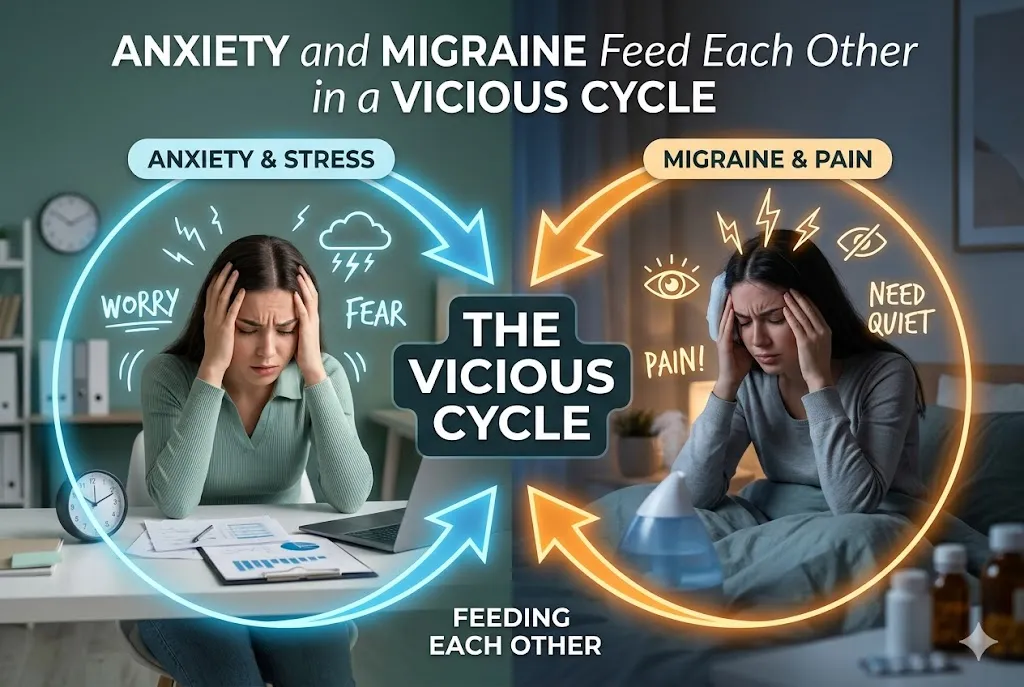
Fear of serious disease adds psychological burden. Each headache raises terror of brain hemorrhage. The anxiety surrounding sexual activity may itself affect arousal and function, creating problems beyond the headache itself. The cycle of fear, avoidance, and relationship strain compounds what is actually a treatable condition.
The Treatment Options
Effective treatments exist that most sufferers never learn about because they never report the problem. Both acute and preventive approaches can manage sexual headache successfully.
Pre-treatment with indomethacin, taken one to two hours before anticipated sexual activity, prevents headaches in many patients. The prostaglandin inhibition appears to interrupt the mechanisms triggering pain. Other NSAIDs may also work, though indomethacin has the strongest evidence.
Triptans, the medications used for acute migraine, can be used similarly, taken before activity in patients with predictable sexual headache. Their effects on serotonin receptors and cerebral vessels appear to raise the threshold for orgasm-triggered headache.
Beta-blockers, used preventively in daily doses, reduce the incidence of sexual headache in patients experiencing frequent episodes. The mechanism likely involves blunting the cardiovascular surge at orgasm. Daily treatment makes sense for patients with very frequent headaches; intermittent treatment suits those with less frequent occurrence.
Behavioral modifications help some patients. Adopting a more passive role, reducing physical exertion during sex, and avoiding Valsalva-like maneuvers can reduce headache incidence. These adjustments may feel unnatural but offer non-pharmacological alternatives.
The Relationship Dimension
Sexual headache affects partnerships in ways that extend beyond the individual sufferer. Communication becomes essential but difficult, explaining to a partner why sex has become frightening, why avoidance isn't rejection, why intimacy now carries anticipatory anxiety.
Partners may blame themselves, wondering if they're doing something wrong. They may feel rejected by reduced sexual frequency without understanding the medical context. Open discussion of the condition reduces misunderstanding, but that discussion requires first acknowledging the problem rather than suffering silently.
Treatment benefits relationships as much as individuals. When headaches are controlled, intimacy can resume without fear. The relationship strain that accumulated during untreated periods may require attention even after medical management succeeds.
He finally mentioned the headaches to his doctor, braced for embarrassment that never materialized. Imaging confirmed no serious pathology. A prescription for indomethacin, taken before intimacy, eliminated the headaches almost entirely. What he'd endured silently for months resolved within weeks of simply reporting the problem. The treatment had existed all along. Only his silence had prevented access to it.

लेखक