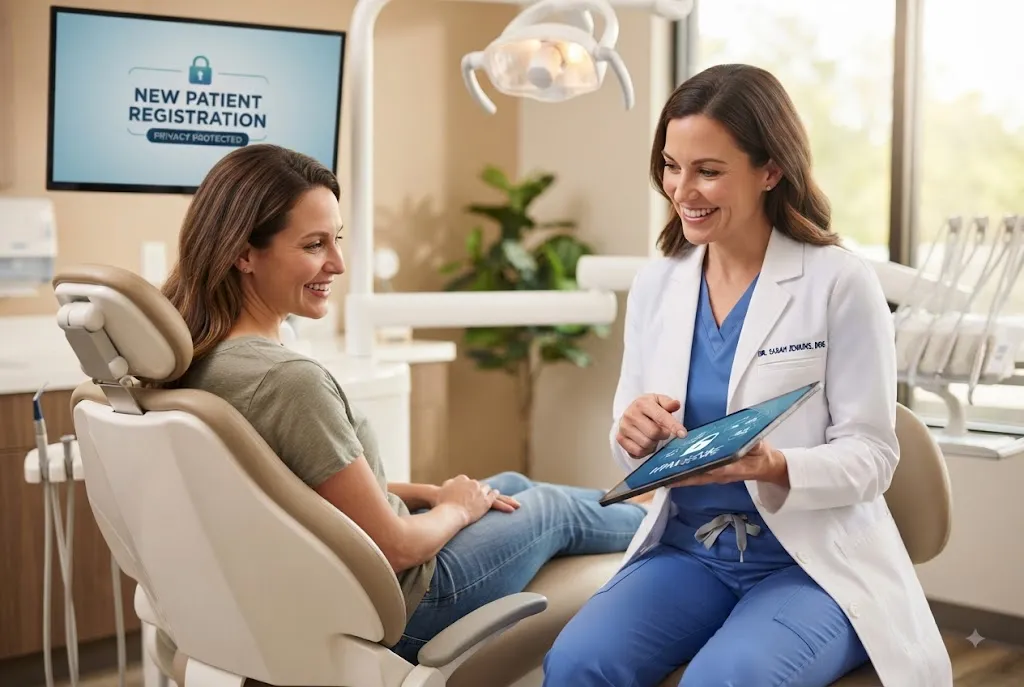
Walk into a small family practice at 8 a.m., and you will usually find the front desk phone already has several ringing lines before you even brew the coffee. That's not a bad morning. It’s just a normal day at a clinic when there’s one person battling too much workload.
Staff shortages make things even harder. A missed call means your practice missed an appointment. Similarly, a delayed response may leave a patient frustrated. Doctors may also have less time to focus on patients sitting in front of them.
Patients notice these delays and judge practices on the basis of these services. They may wait longer for a call back, struggle to find an appointment, or spend less time with their provider. When workload grows, patient experience is the first thing that suffers.
However, clinics don't always need to hire a full-time employee to handle every task. Many are leveraging technology to automate non-medical tasks, minimize delays, and free up employees to focus on patients.
Why are Clinics Understaffed?
There are several factors that contribute to staff shortages in healthcare practices. Some of the common ones are as follows:
Staff burnout: Administrative pressures, increasing workloads, and long hours can make healthcare staff feel burned out. Burnout can also result in staff turnover, which makes it difficult for clinics to maintain staff.
Growing patient demand: As the population ages, the number of primary care visits, chronic disease management, medication reviews, and follow-up visits for patients increases. More patients means more work for doctors, nurses, and front desk teams.
Difficulty hiring medical assistants: Medical assistants support both clinical and administrative work, so when they leave, it can have a major impact on a practice.
Administrative workload: EHR documentation, insurance verification, patient portal messages, and phone calls may take staff away from the work. These tasks may not involve direct care, but they still need to be completed to run the clinic smoothly.
How Clinics are Closing the Gap with Technology
Understated Clinics are using different technological approaches to improve patient experience.
AI scheduling and digital intake
AI scheduling and digital intake tools automate patient booking, insurance checks, and form completion using voice agents, text messaging, and conversational AI. Clinics can set rules for different types of appointments, providers, and visit lengths.
Some systems can also flag missing information. It helps staff complete the information before a patient visits. Some of the most common tools are NexHealth, Luma Health, Phreesia, and Artera.
Virtual medical assistant services
A May 2026 MGMA poll found that 56% of medical practices said hiring medical assistants had become more difficult over the previous year.
Many healthcare practices are now leveraging virtual medical assistant services to fill administrative positions.
They can help them with patient scheduling, appointment reminders, referral follow-ups, and prior authorization work. Remote support does not replace nurses, medical assistants, or doctors. It gives extra administrative support so they can spend more time on patient care.
Ambient AI scribes
Documentation is another major source of work for physicians. After an appointment, a doctor still needs to complete the visit notes, update medical records, prepare orders, and document the care plan.
Ambient AI scribes can listen to a patient-provider's conversations and create a draft clinical note. This reduces workload on doctors and lets them focus on patients during the visit. The physicians can review, correct, and sign the note in the EHR later.
Remote patient monitoring
Clinics can use remote patient monitoring to observe patients during care transitions, particularly those with chronic conditions. Patients can share data like blood pressure, blood sugar, weight, or oxygen levels with their care team.
For instance, a patient with hypertension may be using a connected blood pressure monitor at home. The care team can follow up and review the readings if necessary, without the need for an office visit for every check. In this way, work feels easier and less heavy at the end of the day.
Automated appointment reminders
Automated reminders, email, or voice reminders help patients remember upcoming appointments and reduce no-shows. Clinics may also cover arrival schedules, pre-clinic directions, and paperwork.
Some systems let patients confirm, cancel, or reschedule appointments without calling the front desk. This reduces routine calls and helps staff keep appointment schedules up to date.
Conclusion
Understaffing can affect almost every part of the patient experience, from booking an appointment to following up after a visit.
Technology provides clinics another option to deal with this pressure. Digital intake can reduce paperwork, automated scheduling lessens telephone traffic, and remote patient monitoring may support care between visits.
Ambient AI scribes can reduce documentation work, and remote administrative support can add another layer of capacity. The clinics can integrate technology and employ trained virtual medical assistants into the main workflow. It also allows physicians and staff to focus on patient care.

लेखक