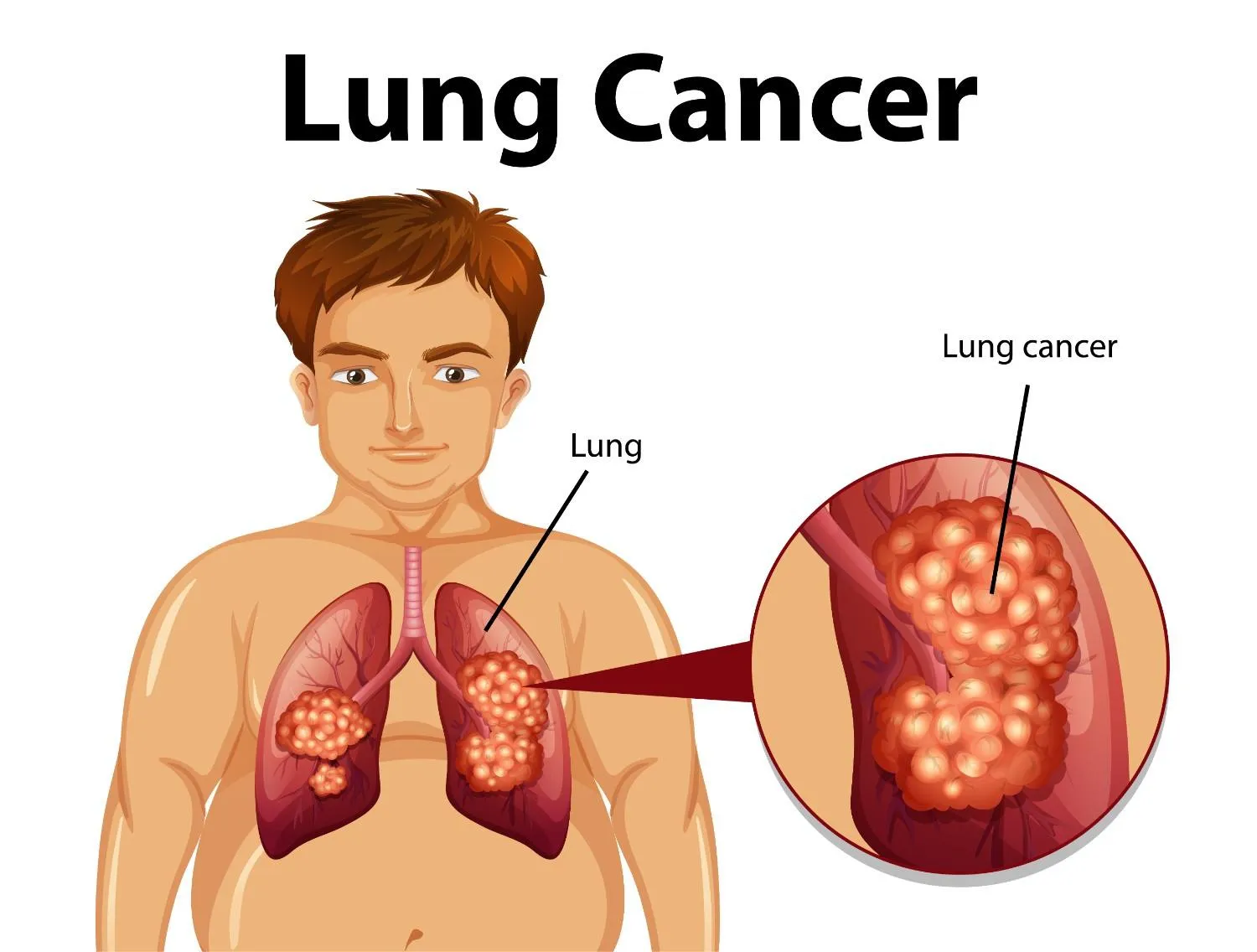
Construction workers definitely spend their lifetime working on site locations, and most of them would spend their time repairing old buildings. What if they have little smoking history but are diagnosed with lung cancer? This is something that would shock them.
Once they receive a medical review, the causes of lung cancer for them can include exposure to asbestos, dust, and industrial materials.
Cases like this show why workplace exposure can be an overlooked factor in lung cancer diagnosis. This article explores how occupational hazards contribute to lung cancer risk, which industries face higher exposure concerns, how workers can reduce risks, and what patients should know after a workplace-related diagnosis.
How Workplace Exposure Can Increase Lung Cancer Risk
Workers can develop lung cancer after years of exposure to hazardous substances in their workplace. Materials such as asbestos fibres, silica dust, diesel exhaust, industrial fumes and certain chemicals can damage lung cells over time. Once this process starts then there is a possibility of lung cancer.
These risks often remain unnoticed because workplace-related damage may take decades to appear. A worker may leave a high-risk job and develop health problems many years later.
For this reason, patients should discuss their complete employment history with their healthcare providers, including previous industries, job roles and possible exposure conditions. This information helps doctors identify potential causes, understand risk factors and create an accurate approach to diagnosis and treatment.
Jobs and Industries With Higher Lung Cancer Exposure Risks
A person’s work history can reveal important details about potential lung cancer risks. Many occupational exposures happen gradually, and workers may not realise the danger until years later.
As mentioned before, reviewing previous jobs, workplace conditions and materials handled can help identify possible exposure sources. Some industries carry higher exposure risks, including:
Construction and Renovation: Workers involved in demolition, building repairs and insulation projects may encounter asbestos in older structures, along with dust from construction materials.
Manufacturing and Industrial Work: Employees in factories and processing facilities may face exposure to chemicals, metal fumes and dust-producing operations that affect lung health over time.
Mining and Heavy Industries: Miners and workers in heavy industrial environments may experience prolonged exposure to underground dust, especially where ventilation systems are limited.
Transportation and Maintenance roles: Mechanics, drivers and maintenance workers may face repeated exposure to diesel exhaust and other airborne pollutants.
Signs Your Lung Cancer May Be Linked to Workplace Exposure
Patients should pay attention to signs that suggest their diagnosis may need additional investigation. This includes receiving a diagnosis at an age or stage that does not match their known risk profile or having a medical history that does not explain the condition.
Other indicators may include:
Multiple coworkers from the same workplace developing similar health conditions
A history of working in environments with documented safety concerns
Medical records mentioning possible occupational contributors
A diagnosis connected to a specific workplace incident or long-term exposure pattern
Patients should also gather employment records, workplace information and medical documentation to help healthcare providers assess possible contributing factors.
Practical Ways to Reduce Workplace Lung Cancer Risks
Workers and employers can take practical steps to reduce exposure to substances that may increase lung cancer risks. Workers should learn about workplace hazards before starting tasks, use the correct protective equipment and follow safety procedures when handling dangerous materials. They should also report unsafe conditions, poor ventilation or missing safety controls to prevent unnecessary exposure.
Employers can create safer workplaces by:
Providing regular training on workplace hazards and protection methods
Maintaining ventilation systems that remove harmful airborne substances
Monitoring hazardous materials and controlling exposure levels
Following workplace safety regulations and industry standards
Reducing contact with recognised carcinogens, especially asbestos and industrial pollutants, remains one of the most effective prevention measures. Strong safety practices help workers avoid harmful exposure before it affects their long-term health.
What Patients Should Do After a Workplace-Related Lung Cancer Diagnosis
Finding out that your lung cancer may be connected to workplace exposure can leave you with many questions about what to do next. Along with following your treatment plan, take time to organise important information that can help you understand your situation.
Keep your medical records, diagnosis reports and any documents related to your previous employment in one place. Having clear records can make it easier to discuss your concerns with healthcare providers and other professionals.
You may also want to explore available support options if you believe your illness could be linked to workplace conditions. Resources such as https://www.lungcancergroup.com/legal/lung-cancer-lawyer/ can help patients understand possible legal options and the support available for workplace-related lung cancer cases.
Endnote
Take an active role in managing your health even after leaving a workplace with potential hazards. Pay attention to changes in your condition and follow the health monitoring plan your doctor recommends. Do not ignore concerns simply because the exposure happened years ago.
Stay connected with your healthcare team, ask questions about your care and consider available support when needed. Understanding your workplace exposure history helps you take practical steps toward treatment, support and future health decisions.

लेखक