The relationship between blood pressure and headache has long confounded researchers and clinicians. Patients insist their headaches worsen when blood pressure spikes. Physicians counter that hypertension rarely causes headache until reaching dangerously elevated levels. Both may be partially correct, and both may be missing the more relevant variable. Emerging evidence suggests that blood pressure variability, rather than absolute blood pressure levels, may be the critical factor linking cardiovascular function to headache susceptibility.
This distinction carries significant clinical implications. Standard blood pressure management focuses on lowering average readings. If variability matters more than means, treatment strategies may require fundamental reconsideration for patients with comorbid hypertension and chronic headache.
The Variability Hypothesis
Blood pressure fluctuates continuously. It rises with stress, physical activity, and caffeine. It falls during sleep and relaxation. These oscillations are normal and healthy within limits. Problems arise when fluctuations become excessive, when the gap between peaks and troughs widens beyond what the vascular system can gracefully accommodate.
Large-scale epidemiological studies have begun documenting associations between blood pressure variability and headache outcomes. A 2019 analysis of over 50,000 participants found that visit-to-visit blood pressure variability predicted headache frequency independent of average blood pressure. Those with the highest variability experienced significantly more headache days, even when their mean blood pressure was well-controlled.
The cerebral vasculature may be particularly sensitive to pressure swings. Blood vessels supplying the brain must maintain relatively constant flow despite systemic pressure changes, a process called cerebral autoregulation. When pressure fluctuates excessively, autoregulatory mechanisms may struggle to maintain stability, potentially triggering the vascular changes implicated in headache pathophysiology.
"We've traditionally focused on absolute blood pressure levels, but variability may be equally or more important for headache-prone patients," explains Dr. Rab NawazKh Khan, an expert contributor to MyMigraineTeam. "A patient whose pressure swings from 110 to 160 throughout the day may experience more headaches than one who sits steadily at 140, even though the latter has a higher average. This reframes how we think about blood pressure management in headache patients; stability may matter as much as the numbers themselves."
The Morning Surge Problem
Blood pressure normally rises upon waking, part of the physiological preparation for upright activity. In some individuals, this morning surge becomes exaggerated, pressure climbs rapidly and steeply in the early morning hours. The phenomenon has been linked to cardiovascular events and, increasingly, to headache patterns.
Morning headaches plague many chronic headache sufferers. The causes are typically attributed to sleep disorders, medication wearing off, or overnight dehydration. Excessive morning blood pressure surge may represent an underrecognized contributor. The rapid pressure increase as sleep transitions to waking could trigger a headache in susceptible individuals.
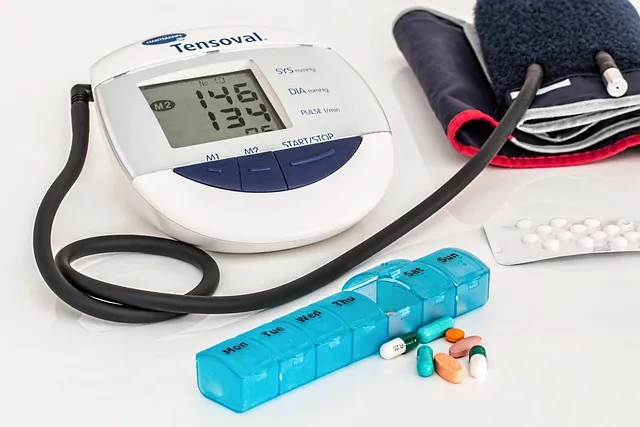
Home blood pressure monitoring, particularly with devices that capture readings during sleep and upon waking, can identify problematic morning surge patterns. The data often surprises both patients and physicians, revealing cardiovascular dynamics invisible to occasional office measurements.
Medication timing may influence the morning surge. Blood pressure medications taken in the evening rather than morning provide better overnight and early morning coverage, potentially blunting the surge that occurs upon waking. For headache patients with documented morning surge, this simple scheduling change may reduce morning headache frequency.
The Autonomic Connection
Blood pressure variability doesn't occur in isolation; it reflects broader autonomic nervous system function. The same dysregulation that produces excessive pressure swings often manifests in other autonomic domains: heart rate variability, temperature regulation, and digestive function.
Chronic headache populations show elevated rates of autonomic dysfunction across multiple measures. Whether this reflects shared underlying pathophysiology or causative relationships running in one direction or both remains under investigation. But the pattern suggests that blood pressure variability in headache patients may be a marker of more comprehensive nervous system dysregulation.
"Blood pressure variability is really a window into autonomic function more broadly," explains Dr. Puja Aggarwal, Neurologist and Neuroscientist at Zenful Brain Coaching. "When we see excessive variability, we're often seeing a nervous system that's lost its regulatory precision. This affects not just blood pressure but heart rate, vascular tone, and pain processing, all systems relevant to headache generation. Interventions that improve overall autonomic regulation may help stabilize blood pressure and reduce headaches simultaneously."
Biofeedback targeting autonomic function has shown promise in both blood pressure management and headache prevention. By training conscious influence over typically unconscious physiological processes, biofeedback may help restore the regulatory stability that excessive variability reflects.
The Medication Paradox
Blood pressure medications themselves can sometimes increase variability. Short-acting agents that wear off before the next dose create troughs and peaks that may paradoxically worsen headache despite improving average pressure. The phenomenon is well-documented in cardiovascular literature but rarely considered in headache management.
Medication adherence patterns further complicate the picture. Patients who take blood pressure medication inconsistently, missing doses, doubling up, varying timing, experience more variability than those with stable regimens. For headache patients, this inconsistency may contribute to headache patterns in ways neither patient nor physician recognizes.
Certain medication classes may offer advantages for variability reduction. Longer-acting agents provide more stable coverage. Some evidence suggests that calcium channel blockers and certain other classes reduce variability more effectively than others, though head-to-head comparisons specifically in headache populations are lacking.
The Lifestyle Factors
Modifiable factors influence blood pressure variability substantially. Caffeine produces acute pressure spikes followed by troughs, a pattern repeated multiple times daily in heavy consumers. Alcohol creates variability through both acute effects and withdrawal-related rebound. Sleep deprivation impairs autonomic regulation, widening pressure swings.
Stress represents perhaps the most potent variability driver. Acute stress raises pressure; chronic stress dysregulates the systems that should return pressure to baseline. The modern pattern of frequent stressors without adequate recovery periods creates ongoing pressure instability.
Physical activity acutely raises blood pressure but chronically improves autonomic regulation and reduces variability. The temporary spikes during exercise appear less problematic than chronic instability; the system handles predictable, self-limited elevations better than erratic fluctuations.
Salt sensitivity affects variability in some individuals. High sodium intake doesn't just raise average pressure; it can also increase pressure reactivity to other stimuli, amplifying the magnitude of fluctuations throughout the day.
The Monitoring Imperative
Standard blood pressure assessment captures isolated snapshots that may miss variability entirely. A patient whose office readings cluster around 130/80 might swing from 105/65 to 165/95 throughout the day, a pattern with different clinical implications than stable readings at the same average.
Ambulatory blood pressure monitoring, which captures readings every 15-30 minutes over 24 hours, reveals variability patterns invisible to conventional assessment. Home monitoring with multiple daily readings provides partial information. Neither is routinely employed in headache evaluation, though evidence increasingly suggests they should be.
For patients with chronic headache and any blood pressure concerns, comprehensive pressure assessment may reveal patterns that inform management differently than office readings alone. The technology exists; its application to headache care simply hasn't become standard practice.
The relationship between blood pressure and headache is more nuanced than either patients or physicians typically appreciate. Absolute levels matter in extreme cases. But for the vast middle ground where pressure is imperfectly controlled but not dangerously elevated, variability may prove the more relevant metric, and stability the more appropriate therapeutic target.

Reviewed by