Breast cancer is common, and people often get to hear about it from time to time. Men have been equally diagnosed with this chronic condition like women in the present times. Yet, very few people know about its negative effects on the human body and the steps to prevent it by understanding the symptoms or treatment options.
The gap in knowledge is not good and in the case of breast cancer, it can cost you a lot of time too. So, the best thing to do is to catch things early to have a simple treatment and better outcome.
Why Early Detection Matters So Much
Doctors often say that your treatment is more effective if you get it during the early stages of cancer. That also means the survival rates are quite high and the treatment is less painful.
Unfortunately, if breast cancer reaches the later stages, the options for treatment are quite less. In short, it also becomes harder for doctors to predict if the person can get well soon.
This is exactly why they keep repeating the same message: don't wait for something to feel seriously wrong before getting checked.
Breast cancer may not always be easy to get diagnosed with early. That is why regular screening is the best resort to check a person’s health, even if they are perfectly fine.
Early Signs Worth Paying Attention To
Sometimes, a person may get a lump in the breast which, according to many, is an indication of breast cancer. However, they are wrong in this case. Of course, you must watch out for any lumps or bumps in your nipple or breast. However, there are some other early warning signs too which may prompt you into visiting a doctor:
-
A New Lump: A lump that feels different from the surrounding tissue can be concerning, especially if it has developed for the first time. However, certain painful lumps or ones that change with your menstrual cycle are often not cancerous.
-
Changes in the Size or Shape of a Breast: Sometimes, you may notice that one breast looks different from the other. It may be swelling or shrinking, or may even have an unusual change in contour. If that happens, you must visit your oncologist immediately.
-
Skin Changes: Dimpling, puckering, or skin that looks like the surface of an orange can also be a sign of an underlying issue. Redness or a rash that doesn't go away with normal treatment is also worth flagging.
-
Nipple Changes: The nipple may suddenly turn inward for some people and there might also be an unusual discharge that isn’t anything like breast milk. Doctors also advise seeking treatment if you notice any scaling and flaking of the nipple skin.
-
Persistent Pain: Breast pain is common and linked to hormonal changes. However, any kind of pain that is localized, doesn't go away, and isn't related to your cycle is worth getting looked at.
-
Swelling in the Armpit: Lymph nodes under the arm can swell for several reasons, but persistent swelling near the breast area needs proper evaluation.
None of these signs guarantee cancer.
When Should You Start Getting Screened
Screening guidelines vary slightly depending on which health organization you follow, but there's broad agreement on the general timeline.
Women should always keep track of how their breasts feel and look, especially during the 20s and 30s. They can also go for clinical breast exams during regular checkups to ensure everything gets noticed instantly.
Most oncologists recommend mammograms for women over 40 years of age and they should be taken annually. Any person must start this conversation with their doctors as early as age 40. Meanwhile, a few others may push it to 45 or 50 depending on individual risk factors.
Women can also talk to their doctor directly to ensure the latter analyzes everything related to their family history, genetic factors, and personal health history.
Women with a family history of breast cancer, or previous radiation therapy to the chest may also start screening earlier and more frequently. A specialist's input becomes especially valuable in this case because risk assessment isn't one size fits all.
The Role of Regular Screening
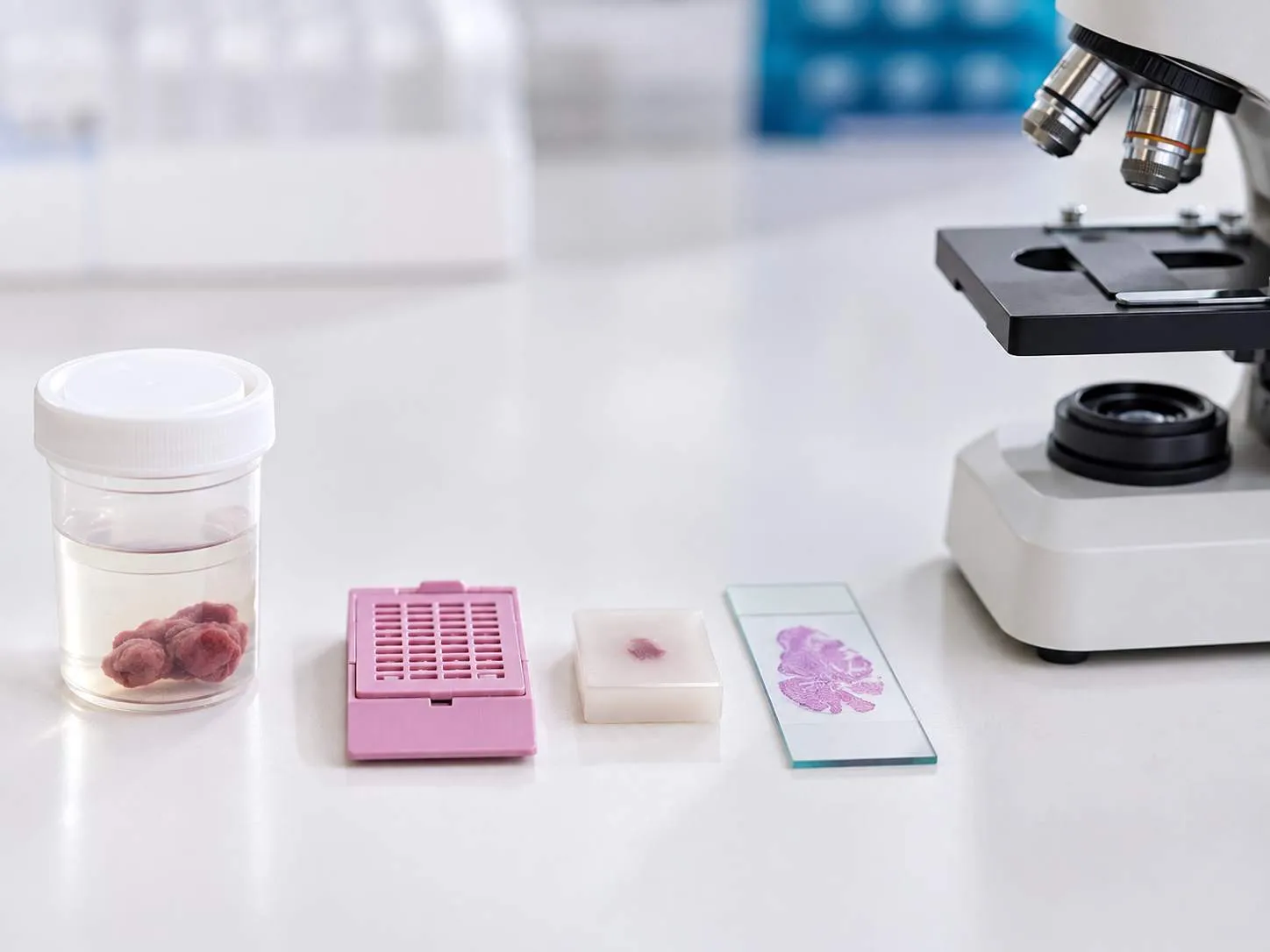
Most doctors and lab workers use mammograms for early detection because they can catch changes in breast tissue. People can easily access reliable breast cancer screening in Mira Road if they stay in and around the region.
Sometimes, specialists may also recommend ultrasounds and MRIs alongside mammograms. Women with dense breast tissue or a higher risk profile may primarily have to go through these tests. That’s because these tools can provide details a standard mammogram might miss.
Why Seeing a Specialist Matters
General checkups are a good starting point for checking the symptoms of breast cancer. However, if something unusual turns up, or if you fall into a higher risk category, consulting an oncologist is the correct resort. Oncologists can easily interpret results with more context and specialized knowledge, and recommend more testing when needed.
They can also talk to patients about the next steps of the diagnosis or treatment options for breast cancer as and when needed.
A Few Honest Takeaways
Breast cancer can affect any person and the results can be quite disappointing if the screening is not done earlier or on time. That is why doctors always recommend getting these tests as early as possible to make sure the person gets proper treatment options.
You know your body well, so you will also notice if something suddenly goes wrong. So, why wait to get a mammogram done to get your treatment option? You can always connect with a specialist to get your breast cancer screening done and stay out of danger once and for all.
No matter what you do, early screening will always be your first tool to fight against breast cancer.

Reviewed by