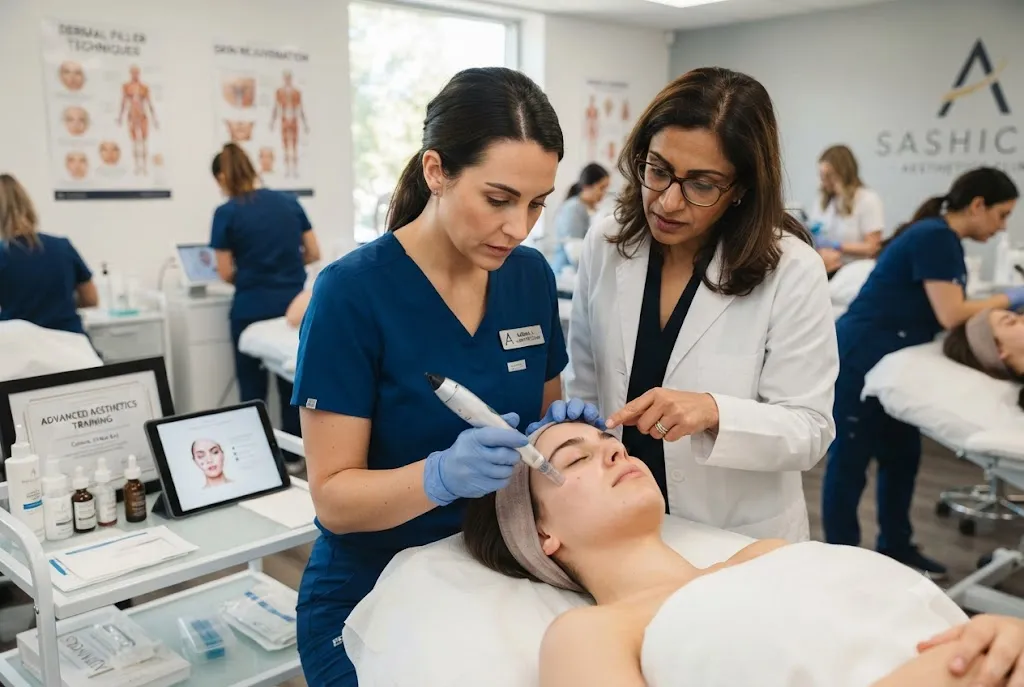
Dullness, uneven pigmentation, acne marks, and rough texture can make otherwise healthy skin appear tired or uneven. While daily skincare supports the skin barrier and overall appearance, professional exfoliation can target concerns that may not respond sufficiently to home products. Chemical peels use carefully selected acids or other chemical agents to create controlled exfoliation and stimulate the skin's renewal process.
For people considering a chemical peel in Singapore, understanding what happens beneath the surface is just as important as knowing what the treatment promises to achieve. Peel type, concentration, application technique, skin condition, and recovery all influence the outcome. A properly selected peel can improve the appearance of several superficial skin concerns, but stronger treatment is not automatically better.
(H2) What Exactly Happens During a Chemical Peel?
A chemical peel involves applying a chemical solution to the skin for a controlled period. The solution interacts with the outer layers of the skin, causing targeted exfoliation. As the treated skin heals, newer skin becomes visible, which can create a smoother and more even-looking complexion.
Dermatologists use chemical peels for concerns such as some forms of acne, discoloration, melasma, rough texture, fine lines, sun damage, and dull complexion. The American Academy of Dermatology also reports improvements in skin color, brightness, and smoothness following appropriate treatments.
The exact mechanism depends on the chemical used and how deeply it penetrates. This explains why two treatments both called "chemical peels" can have very different effects and recovery periods.
How Do Chemical Peels Improve Skin Appearance?
The visible improvement comes from controlled removal of damaged or unwanted superficial skin cells. However, the process involves more than simple exfoliation.
Removing Surface Buildup
Dead skin cells can accumulate on the skin surface, contributing to a rough or dull appearance. Chemical exfoliation loosens and removes some of this buildup, helping the skin look smoother.
Certain acids can also influence how cells shed from the skin's surface. The result can be a more refined texture when the treatment suits the patient's particular concern.
Supporting Skin Renewal
Once the treated skin heals, the newly exposed surface can appear more uniform. Depending on peel depth and formulation, chemical peels can also trigger processes involved in skin remodeling.
This is one reason dermatologists use selected peels for concerns such as acne scarring and pigmentation rather than viewing them solely as surface exfoliation.
Addressing Uneven Pigmentation
Chemical peels can form part of a treatment plan for certain pigmentation disorders. A 2024 systematic review examining chemical peels for melasma found evidence supporting their use, although the researchers noted considerable variation between the available studies.
Melasma can be particularly challenging because it often returns. Therefore, a peel should usually form part of a broader management strategy rather than serve as a one-time solution.
Does Every Chemical Peel Work the Same Way?
No. Chemical peels vary significantly in depth, formulation, concentration, and intended purpose.
Superficial Peels
Superficial peels primarily target the outermost skin layers. They may suit concerns such as mild dullness, uneven texture, some acne, and certain forms of pigmentation.
Because they produce less extensive injury, recovery tends to be shorter. However, achieving noticeable improvement may require a series of treatments rather than one session. The AAD notes that refreshing or light peels can require several sessions to achieve desired results.
Medium-Depth Peels
Medium peels penetrate further and create a stronger response. They may be considered for more pronounced pigmentation, selected acne scars, fine lines, and other concerns.
The stronger effect comes with greater downtime. Redness, swelling, crusting, and peeling can occur while the skin heals.
Deep Peels
Deep peels affect significantly deeper layers of skin and require substantially more recovery. They are performed selectively because the potential for complications increases with treatment depth.
For cosmetic skin brightening, a deep peel is rarely something a person should select simply because they expect a stronger result. The appropriate depth depends on the clinical objective and individual assessment.
Which Skin Concerns Can a Peel Address?
Chemical peels have several dermatological and cosmetic applications, although no single peel addresses every skin concern.
A suitable treatment may help improve the appearance of:
-
Dull or uneven-looking skin
-
Certain types of acne
-
Mild acne scarring
-
Uneven pigmentation
-
Some forms of melasma
-
Rough skin texture
-
Fine lines
-
Certain types of sun damage
The AAD specifically lists acne, age spots, discoloration, dull complexion, freckles, melasma, rough skin, and sun-damaged skin among conditions for which dermatologists may use chemical peels.
The distinction between scar types also matters. Depressed acne scars, for example, may benefit from procedures that stimulate collagen and elastin, but dermatologists may combine different treatments depending on the scar's depth and structure.
What Should You Expect During and After Treatment?
Before treatment, the skin is cleansed and prepared. The provider then applies the selected chemical solution and carefully monitors the skin's response.
You may experience warmth, tingling, stinging, or a burning sensation depending on the formulation and treatment depth. The solution is then removed or neutralized according to the specific procedure.
Recovery varies considerably:
After a Light Peel
Redness and scaling may occur, followed by several days of peeling or flaking. Some people can return to normal activities relatively quickly.
After a Medium Peel
Recovery generally takes longer, with more noticeable redness, swelling, peeling, or crusting. The AAD reports a typical healing period of around seven to 14 days for medium peels.
After a Deep Peel
Deep peels require much more extensive recovery and careful aftercare. The AAD reports healing periods of approximately 14 to 21 days, with prolonged sun avoidance and follow-up care.
Why Skin Type Matters in Singapore
Skin pigmentation deserves particular consideration when planning a peel. People with darker skin tones can experience pigmentation changes after skin injury, particularly if treatment selection or aftercare is inappropriate.
The AAD advises people with skin of color to choose a dermatologist experienced in treating darker skin tones with chemical peels because pigment complications can occur.
Singapore's strong sun exposure also makes consistent photoprotection important. Protecting treated skin from ultraviolet exposure helps support recovery and reduces the factors that can contribute to unwanted pigmentation.
How Can You Prepare for a Chemical Peel?
Preparation depends on the treatment selected. Some patients may require a pre-peel skincare routine for several weeks. Your provider may also advise adjustments to products that can increase skin sensitivity.
Before treatment, disclose your current skincare products, medications, previous procedures, allergies, history of cold sores, and any tendency toward abnormal scarring. The AAD recommends discussing these factors during consultation before undergoing a peel.
Do not discontinue prescription medication or active skincare ingredients without professional advice.
Why Professional Treatment Matters
Chemical peels require appropriate product selection, concentration, timing, and assessment. Applying an excessively strong chemical solution without proper supervision can cause burns, pigmentation changes, scarring, or other injuries.
The AAD advises consumers to use chemical peels under the supervision of a licensed, trained provider and warns that some unsupervised at-home products have caused serious injuries.
Singapore's Health Sciences Authority has also warned consumers about facial products associated with chemical burns and emphasizes purchasing products from reliable sources while being cautious of exaggerated cosmetic claims.
Questions to Ask Before Booking
A consultation should establish whether a peel actually matches your skin concern. Consider asking:
Treatment Questions
-
Which peel is appropriate for my skin type?
-
What specific concern will the treatment target?
-
How deep will the peel penetrate?
-
How much downtime should I expect?
-
Could I have a higher risk of pigmentation?
-
How many sessions might I need?
-
What aftercare will I need?
These questions shift the focus from generic promises toward an individualized treatment plan.
Finding the Right Clinic in Singapore
Choosing a provider can be as important as choosing the peel itself. Look for appropriate professional qualifications, experience with your skin type, transparent consultation practices, realistic explanations of results, and clear aftercare instructions.
If you are comparing aesthetic providers, Bio Aesthetic Clinic can be one option to research when exploring chemical peel treatments in Singapore. During a consultation, focus on whether the recommended procedure matches your skin condition and goals rather than simply selecting the most intensive option.
A Brighter Complexion Starts With the Right Approach
Chemical peels work through controlled chemical exfoliation and skin renewal. Their effects can range from subtle improvements in brightness and texture to more substantial changes in selected pigmentation, acne, and aging concerns. The depth and formulation determine both the potential benefits and the recovery requirements.
A professional assessment helps establish whether a peel is appropriate and which approach makes sense for your skin. Consistent aftercare and sun protection then become essential parts of the process.
Final Takeaway for Chemical Peel Treatment
A chemical peel is not simply a quick way to remove dull skin. It is a controlled dermatological procedure that requires careful selection based on skin type, treatment goals, peel depth, and risk factors.
For anyone considering a chemical peel in Singapore, understanding how the treatment works can make the decision more informed. Rather than choosing a peel based solely on strength or price, discuss your concerns with a qualified professional, establish realistic expectations, and follow the recommended preparation and aftercare plan.

Reviewed by