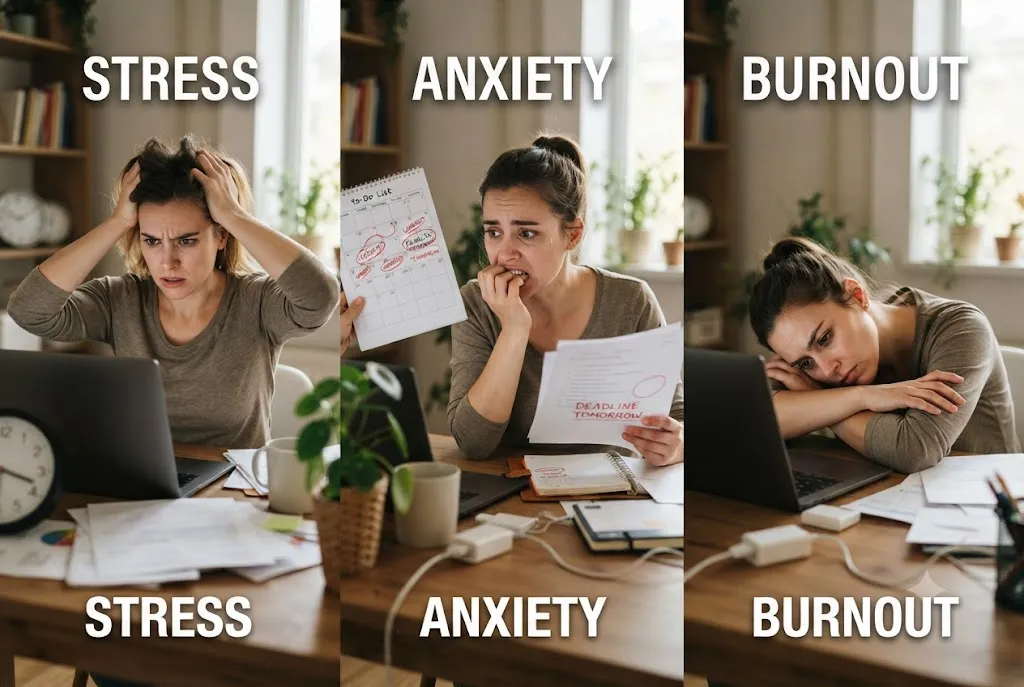
Stress is something that is simply a part of our lives. A little stress can help one focus, increase energy levels, and help one face challenges. However, the issue arises when one is faced with prolonged periods of stress that can last for weeks, months, or even years because the effects are then no longer positive but become negative. The connection between chronic stress and one’s mental health is extremely significant and biological.
Understanding how prolonged stress rewires the brain and alters the body is essential for recognizing when everyday pressures have crossed a dangerous threshold. This knowledge can also help us identify the signs of depression early, when intervention can make the greatest difference.
The Biology of the Stress Response
How the Body Reacts to Threat
When you perceive a threat, your brain activates the sympathetic-adrenal-medullary (SAM) system and hypothalamic-pituitary-adrenal (HPA) axis, resulting in the release of stress hormones such as adrenaline and cortisol to get your body ready for the fight-or-flight response. Your heart rate increases, muscles get tense, and your body gets ready for the action.
This response is adaptive and lifesaving in short bursts. It is designed to activate quickly and subside just as fast.
When Protection Becomes Damage
When the stressor is not removed, the problem emerges. When someone experiences chronic stress, the activity of the HPA system will not end, with continued release of cortisol into the bloodstream. Gradually, the body’s glucocorticoid receptors become insensitive to it, thereby disrupting the negative feedback loop that normally shuts the stress response down.
With this dysregulation, chronic inflammation takes place within the body and the brain. What was once a protective mechanism becomes a driver of disease.
How Chronic Stress Physically Changes the Brain
Shrinking Key Regions
Cortisol can damage vital regions of the brain responsible for mood and memory. The hippocampus, which is responsible for regulating emotion and learning, becomes damaged. Several studies indicate that individuals who have been under prolonged stress exhibit smaller sizes of the hippocampus. Another region of the brain affected by prolonged exposure to stress is the prefrontal cortex.
Meanwhile, the amygdala-the brain’s fear center-becomes hyperactive. This combination-a hyperactive alarm system paired with impaired regulatory control-makes emotional responses more intense and harder to manage.
Fueling Neuroinflammation
Neuroinflammation is caused by chronic stress, where there is inflammation in the brain itself. It is reported that neuroinflammation is found in around 27% of people suffering from major depressive disorder, and it is related to increased severity and resistance to treatment of the illness.
Immune cells that become activated in the brain release inflammatory cytokines that are proteins causing biochemical imbalances of neurotransmitters like serotonin and dopamine. This biochemical imbalance is a direct pathway from stress to depression.
Disrupting the Gut-Brain Connection
The effects of stress extend beyond the confines of the brain. Stress changes the composition of the microbiota of the gut and affects the gut-brain axis through the vagus nerve. The reason why this is very important is that more than 90% of serotonin production occurs in the gut; this disruption has significant implications for mood regulation. Peripheral inflammation can also cross the blood-brain barrier, further fueling neuroinflammation.
The Cumulative Toll: Allostatic Load
Scientists use the term “allostatic load” to describe the cumulative wear and tear on the body from repeated or prolonged stress. It is the price the body pays for being forced to adapt to ongoing demands.
High levels of allostatic load have been shown to increase the risk of developing depression, anxiety, and suicidal behavior. This concept explains how some people may develop psychological problems due to long-term stress, while others will not; it is not only a matter of the stress but also of the physical burden on the body.
From Stress to Mental Health Disorders
Anxiety and Depression
There is ample evidence for the correlation between chronic stress and mental health. According to the World Health Organization, stressful events may result in mental disorders in individuals; mainly these are depression and anxiety. According to the American Psychological Association, chronic stress is linked to an increase in anxiety, depression, and addiction, among other mental problems.
Trauma and chronic stress lead to the development of various psychological disorders, including post-traumatic stress disorder, depression, and substance abuse disorders. Chronic stress is increasingly recognized as a pivotal factor in the pathogenesis of neuropsychiatric disorders.
The Vicious Cycle
Once depression takes hold, it can generate its own stress. Sleep disturbances, social withdrawal, and difficulty functioning at work create new stressors, which in turn worsen depressive symptoms. This cycle is one reason why early detection and treatment are important.
Recognizing the Signs of Depression
How do you know when chronic stress has progressed to something more serious? The signs of depression can be subtle at first but tend to worsen over time. Common indicators include:
-
Persistent sadness, emptiness, or hopelessness
-
Loss of interest or pleasure in activities once enjoyed
-
Significant changes in appetite or weight
-
Sleep disturbances—either insomnia or sleeping too much
-
Fatigue or loss of energy nearly every day
-
Difficulty concentrating, making decisions, or remembering things
-
Feelings of worthlessness or excessive guilt
-
Physical symptoms such as headaches or digestive problems without a clear medical cause
The CDC notes that chronic stress can cause one to feel afraid, angry, sad, anxious, numb, or frustrated. It is time to seek professional assistance when such feelings persist and affect how one functions in his or her work place or even personal life.

What You Can Do
Learning about the biology behind chronic stress is empowering in many ways. It makes clear that mental disorders are not a sign of poor character or weakness, but a response to excessive stress on the mind and body.
If you recognize the signs of depression in yourself or someone you care about, reach out to a healthcare provider. Evidence-based treatments—including therapy, medication, and lifestyle interventions-can be highly effective. Stress management techniques, regular physical activity, adequate sleep, and social connection also play vital roles in building resilience.
The goal is not to eliminate stress entirely—that is neither possible nor desirable. The goal is to prevent everyday stress from becoming chronic stress, and to catch the signs of depression before they take root. Your brain and body will thank you.

Reviewed by