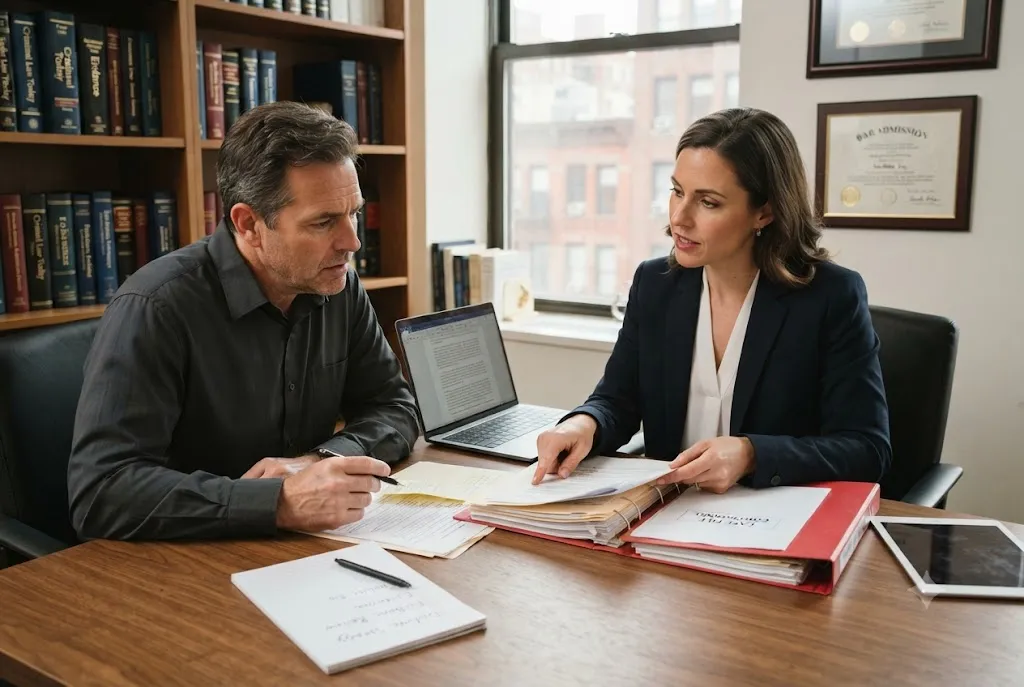
For people in Denver facing a legal problem, the right first step often depends on what is at stake and how quickly the situation needs attention. An accident, workplace dispute, criminal allegation, or family matter can raise different concerns, but each may affect a person’s finances, responsibilities, or future choices. Understanding the nature of the issue before responding can help someone avoid decisions that make the situation harder to resolve.
When seeking legal guidance in Denver, 770GoodLaw can help you understand how a personal injury practice approaches accident-related matters. Because legal needs and licensing requirements vary by state, anyone considering representation should confirm that an attorney handles the specific issue and is authorized to practice in Colorado. A conversation with qualified local counsel can help clarify which questions deserve attention and what steps may be appropriate.
1. What type of legal problem exists?
A Denver resident should first define the dispute in plain terms. Injury claims, landlord disputes, employment matters, and criminal cases follow different procedures, deadlines, and evidence requirements.
A person researching injury representation should check whether a lawyer handles the type of accident involved and explains the consultation process. Information from 770GoodLaw can show how a personal injury practice presents accident-related services and evaluation details. Its website identifies Georgia service areas, so Denver residents should confirm location and Colorado licensing before requesting representation.
The category also affects whom to contact first. A person hurt in a collision needs records about medical treatment, vehicle damage, insurance, and the incident itself. Someone facing a criminal allegation should avoid discussing case details with investigators before receiving legal advice.
2. Has a deadline started?
Colorado law sets filing deadlines for many civil claims, but the exact period depends on the claim, parties, and facts. Waiting can reduce available evidence and limit legal choices.
Important dates include the accident date, notice from an insurer, termination date, court hearing, lease deadline, or employment action. Save every letter, email, text message, bill, and official notice connected to the dispute.
A deadline question deserves a direct answer during the first consultation. The attorney should explain which deadline applies, what event triggered it, and what action preserves the claim. A calendar entry alone does not replace a legal filing or required notice.
3. What evidence supports the position?
Useful evidence depends on the dispute, but organized records help an attorney assess the facts. Photographs, witness names, medical bills, repair estimates, contracts, payment records, messages, and security footage often matter.
Preserve original files and avoid editing photographs or deleting messages. Social media posts can also affect credibility, especially when they describe an injury, accident, dispute, or financial loss.
Written notes can clarify what happened while memories remain fresh. Include dates, locations, people present, statements made, and actions taken afterward. Keep facts separate from guesses or conclusions.
4. What has already been said or signed?
An insurer, landlord, employer, police officer, opposing party, or other person may request a statement. Review the request carefully before responding.
A signed release, settlement agreement, admission, recorded statement, or authorization can affect future claims. Do not assume a routine form has no legal effect.
An attorney needs copies of documents already signed or received. Honest answers about previous conversations help the attorney identify risks and avoid surprises during negotiations or court proceedings.
5. What should the first consultation cover?
A first meeting should cover the facts, legal options, likely next steps, costs, communication, and needed documents. A person should bring a short timeline and organized copies of relevant records.
Questions about fees deserve plain answers. The client should ask whether payment is hourly, fixed, contingent, or based on another arrangement. The agreement should explain expenses, billing practices, and who is responsible for case costs.
The consultation should also clarify who handles communication and how quickly urgent developments receive a response. A person should leave knowing the next action, the immediate deadline, and the information still missing.
6. Is immediate protection necessary?
Some legal problems require action before a full case review. A person facing arrest, an eviction notice, a protective order, evidence destruction, or an imminent hearing should seek legal help promptly.
Safety comes first after an injury or threat. Emergency medical treatment, police assistance, or a safe location can take priority over collecting documents. Legal advice should follow as soon as practical.
People should avoid contacting an opposing party to argue, threaten, or demand a result. A calm record of communications usually helps more than an angry exchange.
Conclusion
A Denver legal problem becomes easier to assess when you write down the facts, deadlines, evidence, communications, and immediate risks. The next step is practical: collect the relevant records, avoid detailed discussions with opposing parties, and schedule a consultation with an attorney who handles the specific matter in Colorado. Before that meeting, prepare a short timeline and list questions about deadlines, costs, representation, and what you need to do now.

Reviewed by