TL;DR: You do not always need a referral to see an oral surgeon in a private practice, although many patients are referred by their dentist and a referral can make the process smoother. A referral usually comes with your dental history, X-rays and notes, giving the surgeon a head start. Whether you are referred or book directly, your first visit is a specialist assessment that looks at the cause of the problem and your treatment options.
If you have a sore wisdom tooth, a gap where a tooth used to be, or a jaw that clicks every time you eat, you might be wondering whether you can go straight to an oral surgeon or whether you need to see your dentist first. It is one of the most common questions people ask, and the answer depends on your situation.
The Short Answer
For private oral surgery practices in New Zealand, a referral is often helpful but not always essential. Many patients arrive with a referral from their general dentist, orthodontist or GP, while others get in touch directly because they already know they need specialist care.
That said, there are some situations where a referral matters more. Public hospital oral surgery services generally require a referral, and some health insurance policies ask for one before they will cover specialist treatment. If you have insurance, it is worth checking your policy or calling your provider before booking.
Why Dentists Refer Patients to an Oral Surgeon
Your dentist handles a wide range of treatment, but some cases are better suited to a specialist surgical setting. Common reasons for a referral include:
-
Impacted or partially erupted wisdom teeth
-
Teeth that are difficult to remove
-
Dental implants that need bone grafting or a sinus lift
-
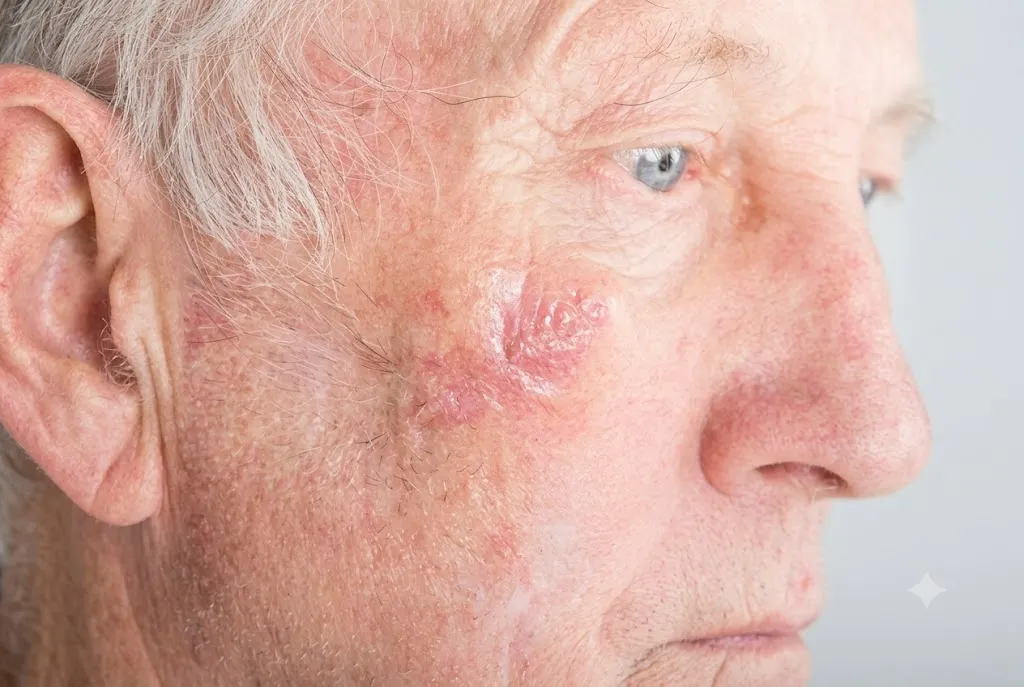
Suspected cysts or lesions that need a biopsy
-
Patients who would benefit from IV sedation or general anaesthesia
A referral is also common when a dentist notices something unusual on an X-ray, or when a patient has medical conditions that mean extra monitoring during treatment would be safer.
The Benefits of Coming With a Referral
Even when you could book directly, arriving with a referral has some clear advantages. Your dentist will usually send through your recent X-rays, notes on your dental and medical history, and a summary of what they have seen and why they think specialist input is needed. This gives the surgeon a head start, can reduce the need to repeat imaging, and means your general dentist stays in the loop for any follow-up care once surgical treatment is complete.
Booking Directly
If you do not have a regular dentist, or you would simply prefer to go straight to a specialist, you can usually contact an oral surgery practice yourself. The team will ask a few questions about your concern and help you book an appropriate appointment. Bring along any X-rays or dental records you have, along with a list of your medications.
What Happens at Your First Assessment
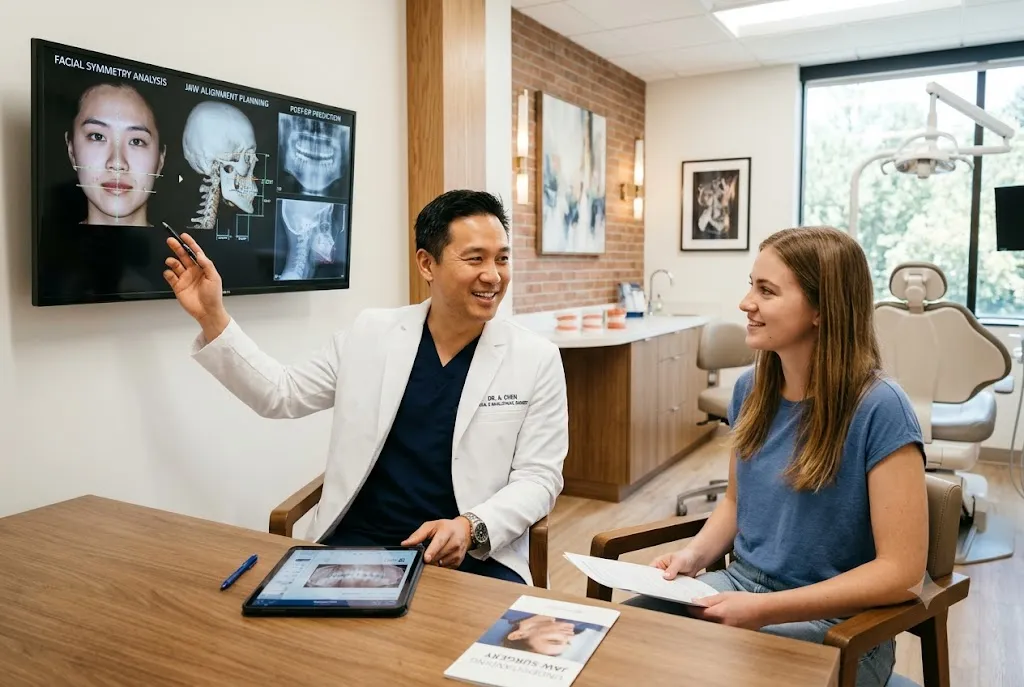
Whether you are referred or not, your first appointment is a chance for the surgeon to properly understand what is going on. A thorough specialist assessment for oral and facial concerns usually covers four main areas.
Your history and concerns. The surgeon will ask about your symptoms, how long they have been present, and how they affect eating, sleeping or daily life. They will also review your general health and any medications, as these can influence how treatment is planned.
A clinical examination. This involves checking your teeth, gums and soft tissues, how your jaws meet, and how your jaw joints move when you open and close your mouth.
Imaging. Depending on the concern, the surgeon may recommend a 3D scan. NSOMS has an I-CAT 3D scanner on site, which provides a detailed view of the jawbone, tooth roots, nerves and sinuses. This is especially useful for planning wisdom tooth removal and dental implants, where precise measurements matter.
A clear plan. Once all the information is gathered, the surgeon will explain the diagnosis, outline your treatment options, and talk through the benefits, risks, recovery time and costs. You will also discuss anaesthesia, as many procedures can be carried out under local anaesthetic, IV sedation or general anaesthesia depending on the case and your comfort level.
What About Cost and Insurance?
Costs vary depending on the complexity of treatment, the type of anaesthesia and whether imaging is needed. Your surgeon should give you a clear estimate after the assessment so there are no surprises. NSOMS is an affiliated provider with Southern Cross and works with other health insurers, which can make the claims process simpler for patients with cover.
Getting Started
If something in your mouth or jaw has been bothering you, there is no need to wait. Speak with your dentist about a referral, or contact a specialist practice directly to ask about the best next step. NSOMS has clinics on Akoranga Drive in Northcote and on Broadway in Newmarket, and the team can be reached on 0800 676 670 to help you book an assessment.

Reviewed by