What is the reason for hair fall? There are different causes. In most cases, involves genetics, aging, and hormones. Hair loss and thinning can develop slowly, appear after a stressful event, or begin as a sudden change in one area of the scalp. The pattern, timing, and symptoms often provide the first clues.
What Causes Hair Loss?
A problem begins when shedding rises, replacement slows, or damage prevents regrowth.
Hair normally moves through cycles of growing, resting, shedding, and replacement. Losing up to 100 hairs a day can fall within the normal range when new strands replace them. The main factors for hair loss include:
-
Family history and age-related changes
-
Pregnancy, menopause, thyroid changes, or other hormone shifts
-
Severe stress, fever, surgery, rapid weight loss, or poor nutrition
-
Autoimmune disease, infection, medication, or cancer therapy
-
Tight hairstyles, chemical processing, and repeated heat damage
Reasons for Hair Fall by Category
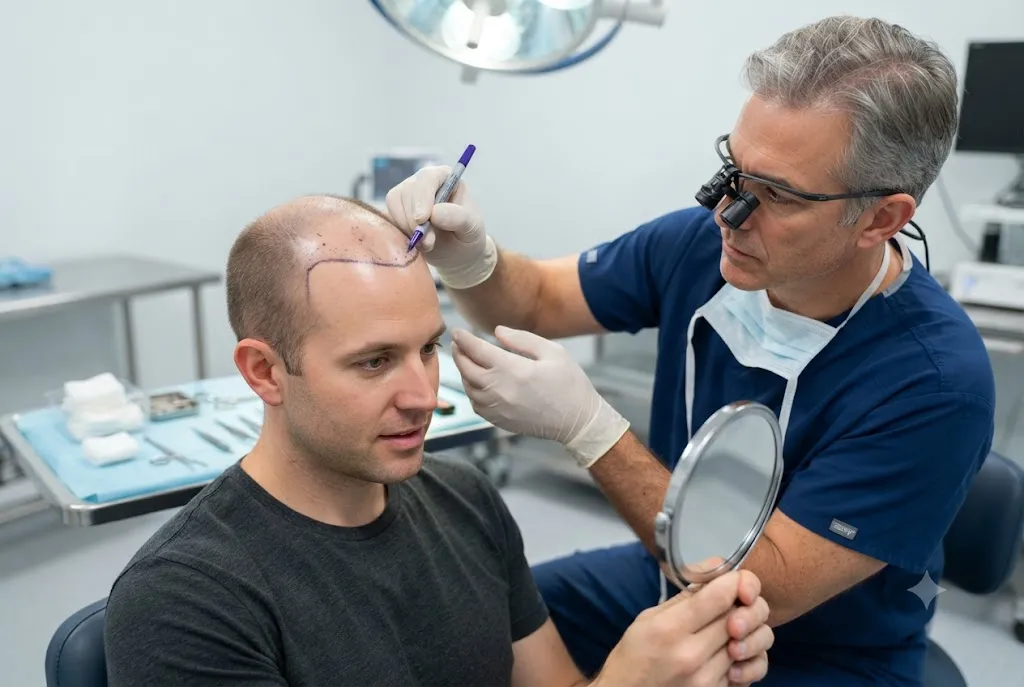
Heredity is the leading reason for age-related changes. In men, male pattern baldness may begin at the temples or crown. A receding hairline can gradually move backwards as density decreases. In women, female pattern baldness often appears as a wider part and lower density across the top of the scalp.
Hormonal changes can follow pregnancy, childbirth, menopause, thyroid disease, or stopping certain hormone-based medicines. These shifts can alter the normal cycle and cause diffuse thinning of hair rather than loss in a single clear area.
Physical or emotional stress can trigger telogen effluvium. Shedding begins two or three months after surgery, high fever, major illness, childbirth, or emotional shock. This pattern often improves within several months once the body recovers.
Nutrition also matters. Low protein intake and poor diet quality, as well as deficiencies involving iron or certain vitamins, can contribute to hair thinning. Supplements should not be taken blindly, as excessive intake does not help and can create new problems. Dr. Antonio Aguilar can review the visible pattern alongside your history before discussing restoration plans.
Medication can also play a role. Drugs used for cancer, depression, heart problems, blood pressure, arthritis, and other needs can list shedding among their side effects. Never stop a prescribed medicine without speaking with the clinician who manages it.
How Hair Patterns Point to Causes
The location and speed of loss do not confirm a diagnosis, but they help narrow the possibilities.
|
Pattern |
Possible explanation |
|
Gradual loss at the temples or crown |
Inherited, age-related change |
|
Wider central part |
Hormonal or genetic pattern |
|
One round bald spot |
Alopecia areata or another localized disorder |
|
Sudden shedding across the scalp |
Stress, illness, weight change, or medication |
|
Scaling, redness, or broken strands |
Fungal or inflammatory scalp problem |
|
Loss near tightly pulled areas |
Traction alopecia |
Patchy hair loss that appears quickly can reflect an immune response. Scalp ringworm can also create round areas, often with scaling, itching, redness, or broken strands. Children with these symptoms need prompt medical care because infection can spread to others.
Temporary Versus Lasting Hair Loss
A common cause of hair shedding is a short-term disruption to the body. Illness, surgery, childbirth, major stress, and rapid weight change can push more strands into the resting stage. Once the trigger resolves, normal replacement often resumes, though visible recovery takes time.
Hair loss caused by tight braids, extensions, ponytails, rollers, or repeated pulling starts where tension is strongest. Early changes may reverse when the style ends, but continued pulling can damage hair follicles and lead to permanent hair loss.
Inherited patterns usually progress slowly. Scarring disorders can destroy the structures that produce new strands. Early evaluation matters because stopping inflammation or tension preserves remaining density, while delayed care may limit future hair growth.
When Should You Seek Medical Care?
Schedule an evaluation when loss is sudden, persistent, painful, or clearly increasing. Seek help sooner when the scalp shows redness, pus, scaling, swelling, or intense itching.
Other signs that deserve assessment include:
-
A widening part or rapidly smaller ponytail
-
Large amounts of hair after washing or brushing
-
Eyebrow, beard, or body-hair loss
-
Fatigue, feeling cold, weight change, or irregular periods
-
New shedding after starting a medicine
-
Loss following tight styling or chemical damage
These clues may connect the scalp change with medical conditions that need separate care. A clinician reviews recent illness, stress, diet, family history, medicines, and styling practices.
How Doctors Find the Underlying Cause
The first step is a scalp examination. The clinician checks distribution, broken strands, inflammation, scaling, scarring, and the strength of remaining hair. Your timeline helps show whether the change is gradual, sudden, or linked to a recent event.
Blood tests are used when symptoms suggest thyroid problems, anemia, nutrient deficiency, or hormonal imbalance. A scalp sample or biopsy may be needed when infection, inflammation, or scarring is suspected.
The right treatment for hair loss depends on the diagnosis. Correcting a deficiency, treating infection, changing a damaging hairstyle, or managing an underlying disease may improve the problem. For inherited loss, medicine may be a treatment option, while surgery may suit selected people with stable loss and a healthy donor area.
Choosing Your Next Step
Start by recording when the shedding began, where it appears, and what changed during the previous three months. Take clear monthly photos in the same lighting and avoid switching between multiple products before you know the cause.
Hair transplant Mexico can assess stable inherited loss after active disease, infection, and severe shedding have been ruled out. The practical goal is not to guess from one symptom. It is to identify the cause early, protect existing density, and choose care that matches your pattern.

Reviewed by