Most people think of sleep as a quiet period when the body slows down and recovers. For someone with sleep apnea, however, breathing can repeatedly become restricted or stop for short periods throughout the night.
These interruptions may happen dozens of times without the person realizing it. They may believe they slept for seven or eight hours, yet still wake feeling exhausted, foggy, or irritable.
Sleep apnea is more than a snoring problem. It is a sleep-related breathing disorder that can affect daytime functioning and, when left untreated, may contribute to broader health concerns.
What Actually Happens During Sleep Apnea?
The most common form is obstructive sleep apnea, or OSA.
During sleep, muscles in the throat naturally relax. In people with OSA, the upper airway becomes too narrow or temporarily closes. Airflow falls or stops even though the body continues trying to breathe.
Eventually, the brain detects the breathing problem and briefly increases arousal so the airway can reopen. The person may snort, gasp, choke, or suddenly take a deeper breath.
Then the cycle can begin again.
Dr. Muhammad Qasim, a specialist in pulmonology and respiratory medicine who writes about sleep and respiratory health for MySleepApneaTeam, explains:
“A person with obstructive sleep apnea may not remember waking during the night, but the brain and body are still responding to repeated breathing disturbances. That fragmentation is one reason someone can spend enough hours in bed and still feel unrefreshed the next morning.”
Another form, central sleep apnea, works differently. Instead of an airway blockage, the brain temporarily fails to send the appropriate signals needed to maintain regular breathing. Some patients can have features of both obstructive and central sleep apnea.
Snoring Is a Clue, Not a Diagnosis
Loud snoring is strongly associated with obstructive sleep apnea, but the two are not identical.
Many people snore without having OSA.
What makes snoring more concerning is what happens alongside it.
A partner may notice that the person suddenly becomes quiet because breathing has stopped, followed by choking, gasping, or a loud snort when airflow returns.
Other nighttime clues can include frequent awakenings, restless sleep, waking with a dry mouth, or needing to urinate repeatedly during the night.
These observations from another person can be valuable because the patient may have no memory of the breathing pauses.
The Symptoms May Show Up During the Day
Some of the most disruptive symptoms of sleep apnea appear hours after the breathing disturbances occur.
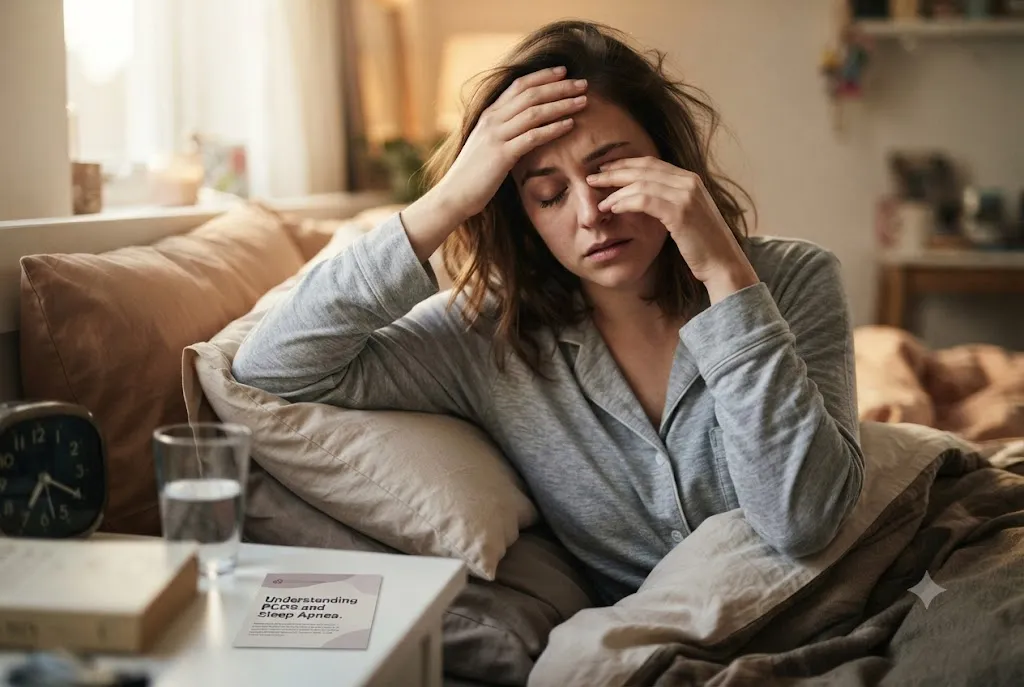
A person may wake with a headache or feel as though sleep did not restore their energy. They may struggle with concentration, memory, irritability, or daytime sleepiness.
For some people, tiredness becomes so persistent that they begin to think it is normal.
Dr. Qasim says:
“Persistent daytime sleepiness should not automatically be blamed on a busy schedule. If someone is getting what should be an adequate amount of sleep but remains exhausted, especially when loud snoring or witnessed breathing pauses are present, sleep apnea deserves consideration.”
Excessive sleepiness can also become a safety issue, particularly when driving or performing work that requires sustained attention.
Not everyone with OSA experiences obvious sleepiness, however. Some people describe fatigue, low motivation, poor concentration, or mental fog rather than an urge to fall asleep.
Why Do Some People Develop OSA?
There is rarely a single explanation.
Excess body weight is an important risk factor because tissue around the neck and upper airway can contribute to narrowing. However, sleep apnea can also occur in people who are not overweight.
Anatomy matters. A relatively narrow airway, enlarged tonsils, a larger tongue, or certain jaw and facial structures can increase susceptibility.
Age also plays a role, as the likelihood of OSA generally rises as people get older.
Alcohol may worsen airway collapse by relaxing the muscles that help keep the throat open. Smoking and some sedating medications may also influence sleep-related breathing.
Men have historically been diagnosed with OSA more often than women, although women can certainly develop the condition. Symptoms in women may sometimes be less stereotypical, including fatigue, insomnia, morning headaches, or mood changes.
Why Untreated Sleep Apnea Matters
The immediate consequence of sleep apnea is disrupted sleep, but the condition can affect much more than how rested someone feels.
Repeated breathing interruptions may produce intermittent decreases in blood oxygen and repeated activation of the body's stress response.
Over time, obstructive sleep apnea has been associated with high blood pressure, cardiovascular disease, abnormal heart rhythms, stroke, and metabolic problems.
The relationship is not always simple because many people with OSA also have other risk factors, such as obesity, diabetes, or hypertension.
Still, sleep apnea is important enough that it should not be dismissed as harmless snoring.
Dr. Qasim explains:
“The concern is not one isolated breathing pause. It is the repeated pattern night after night. Sleep fragmentation, intermittent oxygen changes, and repeated cardiovascular stress can make untreated sleep apnea relevant to overall health, not just sleep quality.”
How Doctors Confirm the Diagnosis
Symptoms can suggest sleep apnea, but diagnosis usually requires sleep testing.
A sleep study records information about breathing during sleep and can help determine how frequently apnea or hypopnea events occur.
Apnea refers to a significant pause in airflow, while hypopnea describes a partial reduction in breathing.
One commonly used measurement is the apnea-hypopnea index, or AHI, which reflects how many of these breathing events occur per hour of sleep.
Some patients can be evaluated with a home sleep apnea test. Others may need an overnight study in a sleep laboratory, particularly when the clinical situation is more complex.
Consumer smartwatches and sleep trackers may provide interesting information, but they should not be considered substitutes for an appropriate medical assessment when sleep apnea is suspected.
Treatment Is Not the Same for Everyone
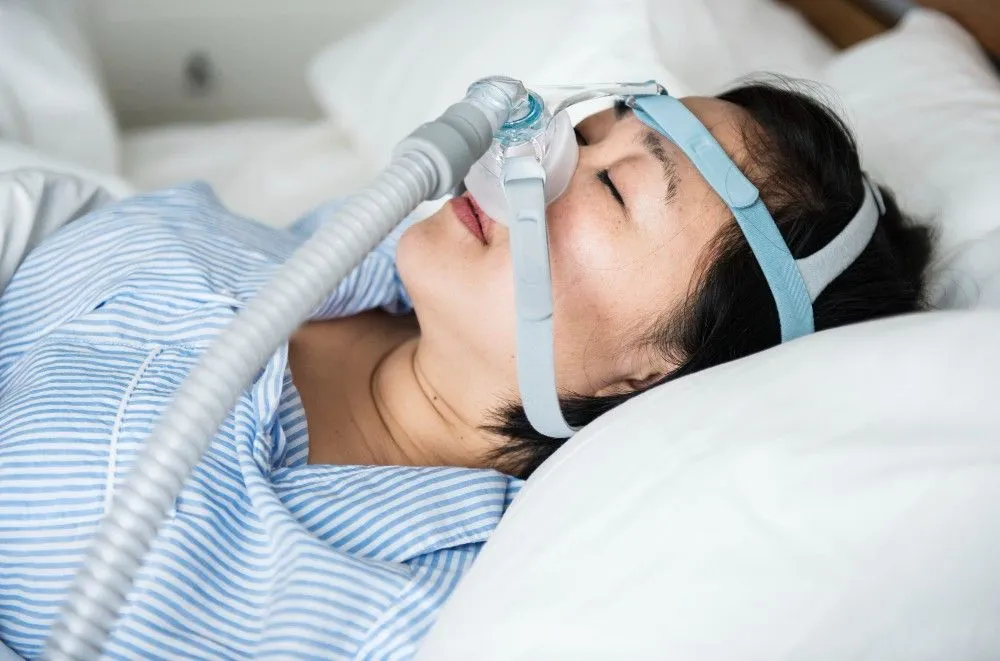
Continuous positive airway pressure, usually called CPAP, is one of the best-known treatments for OSA.
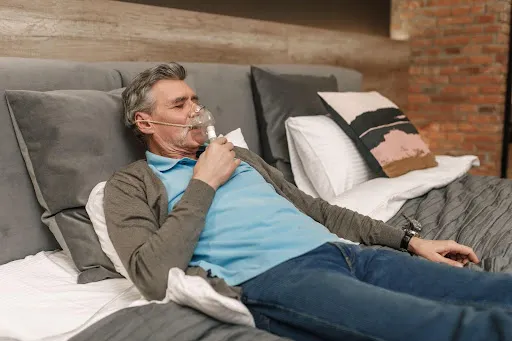
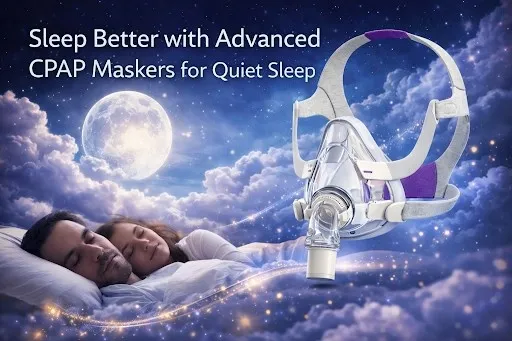
A CPAP machine provides pressurized air through a mask while the person sleeps. The pressure acts like a pneumatic splint, helping prevent the airway from collapsing.
CPAP can be highly effective, but some patients need time to become comfortable with the mask or pressure.
Other treatment options may be appropriate depending on the individual. These can include oral appliances designed to reposition the jaw, weight management, positional therapy, and selected surgical procedures.
For patients with obesity, weight reduction may decrease the severity of OSA, but it should not be assumed that losing weight will automatically eliminate the disorder.
Similarly, patients already using CPAP should not stop treatment simply because they lose weight or begin feeling better. Reassessment may be necessary before making significant treatment changes.
When Should Sleep Apnea Be Suspected?
The combination of symptoms matters more than any one sign.
Loud habitual snoring deserves more attention when it occurs with witnessed breathing pauses, choking or gasping, morning headaches, unrefreshing sleep, or excessive daytime sleepiness.
Someone with difficult-to-control high blood pressure or certain cardiovascular conditions may also be advised to discuss possible sleep apnea with their healthcare professional when relevant symptoms are present.
A partner's observations can be particularly helpful.
If another person repeatedly says, “You stop breathing in your sleep,” that should not be ignored.
Better Sleep Starts With Understanding the Cause
It is easy to normalize poor sleep when it develops gradually.
A person may increase caffeine, sleep longer on weekends, or simply accept feeling tired every morning. But if the real problem is repeated airway obstruction, adding more hours in bed does not necessarily correct it.
Sleep apnea is treatable, and identifying it can be the first step toward more stable breathing and more restorative sleep.
As Dr. Qasim puts it:
“People often focus on how many hours they sleep. With sleep apnea, we also need to ask what is happening during those hours. Sleep duration matters, but uninterrupted breathing and sleep quality matter too.”
Recognizing the difference can help turn a frustrating pattern of snoring, fatigue, and poor-quality sleep into a condition that can be properly evaluated and managed.

Reviewed by