Experts in diagnosing, treating, and managing issues relating to the kidneys are known as nephrologists. Here are the best nephrologists in Mumbai, who are all extremely skilled and knowledgeable in their field and provide state-of-the-art renal care.
Kidney specialists are called nephrologists. They are the medical specialists who diagnose, treat, and manage kidney-related diseases and conditions. From kidney stones to kidney transplants, they take care of everything associated with kidney issues. They mainly focus on maintaining kidney function and treating acute and chronic kidney diseases that impact kidney health.
What Are the Qualifications of Nephrologists?
Nephrologists undergo extensive medical education and training, which includes:
MBBS (Bachelor of Medicine and Bachelor of Surgery)
Postgraduate degree, like an MD in Internal Medicine
Super-specialty training, like DM and DNB in Nephrology
Residency in Internal Medicine
Fellowship in Nephrology
Board Certification in Nephrology
What Kidney Diseases or Conditions Are Treated by the Top Nephrologist in Mumbai?
A kidney specialist in Mumbai is well-equipped with advanced technology and tools to diagnose and treat a wide range of kidney-related issues, which include:
Chronic Kidney Disease
Acute Kidney Injury
Polycystic Kidney Disease
Glomerulonephritis
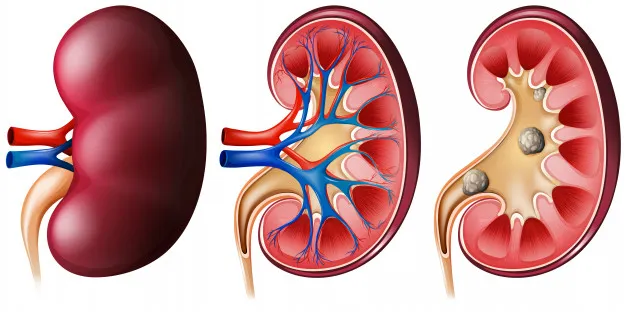
Kidney Stones
Hypertension-Related Kidney Disease
Diabetic Nephropathy
Nephrotic Syndrome
Pyelonephritis (Kidney infections)
Renal Tubular Acidosis
Acute and chronic kidney failure
Hematuria (blood in the urine)
Proteinuria (Protein in the urine)
End-stage renal disease
and many more.
What Types of Tests are Performed by Nephrologists?
They help with several diagnostic tests to evaluate kidney function and health accurately. These tests include:
Blood Tests: Check for substances, such as urea and creatinine, that give exact insights into kidney function.
Urine Tests: Measures blood, protein, and other indicators associated with kidney health.
Imaging Tests: Examples include CT scans or ultrasounds, which examine kidney structure and detect any abnormalities.
Kidney Biopsy: Examines a collected sample to diagnose kidney diseases, assess their severity, and guide proper treatment.
Glomerular Filtration Rate (GFR): Evaluates how well the kidneys are filtering waste from the blood.
24-Hour Urine Collection: Measures the function of the kidneys and checks for protein in the urine.
Electrolyte Testing: Assesses the balance of potassium, sodium, chloride, and other electrolytes, as an imbalance indicates kidney dysfunction.
What Treatments Do Nephrologists Provide?
They use several treatments to diagnose and treat kidney diseases and conditions:
Dialysis: Perform dialysis for kidney failure when the kidneys themselves are not able to do so.
Kidney Transplant: Help with the replacement of a damaged or diseased kidney with a new kidney provided by a matching donor.
Chronic Kidney Disease Treatment: Manages symptoms of kidney disease using prescription medications.
Kidney Stone management: Prescribe medications or surgery ( in severe cases) to break down stones into small pieces and then remove them from the body.
Acute Renal Failure Care: Balance the fluid amount in the blood until the kidney recovers.
Medication Management: Provide some medications to manage conditions, such as electrolyte imbalance, high blood pressure, etc, that affect kidney function.
When to Visit a Nephrologist?
If you experience the following symptoms, consult the best nephrologist:
Swelling in the legs, feet, or ankles
Increased or decreased urination frequency
Not able to control high blood pressure
Constant nausea or vomiting
Bleeding while urinating
Difficulty breathing due to the accumulation of fluid in the lungs from kidney-associated fluid retention
Persistent fatigue or weakness due to the buildup of toxins from impaired kidney function
How to Find the Best Nephrologist in Mumbai?
Here are some tips to find the best nephrologist near you in Mumbai:
Look for a well-qualified and board-certified nephrologist.
Verify experience and credentials through professional organizations.
Check online patient reviews and ratings.
Seek referrals from physicians or other medical specialists.
Look for affiliations with renowned hospitals.
Consider the convenience and accessibility of the location of the hospital or clinic.
Book an appointment to assess communication and trust.
Conclusion
Nephrologists play an important role in managing kidney diseases and conditions and protecting kidney health. With proper diagnosis and expert treatment and care, they can improve health outcomes and quality of life.





















 Kidney Health
 Kidney Health
 Kidney Health
 Kidney Cancer