Sleep apnea is more common than many people realise. It’s a condition where your breathing repeatedly stops and starts during sleep, leaving you feeling exhausted, foggy, and frustrated no matter how many hours you spend in bed. Over time, untreated sleep apnea can contribute to serious health issues, including high blood pressure, heart disease, and increased stroke risk. The good news is that effective treatment is available, and for most people, it begins with a CPAP machine.
What Is a CPAP Machine?
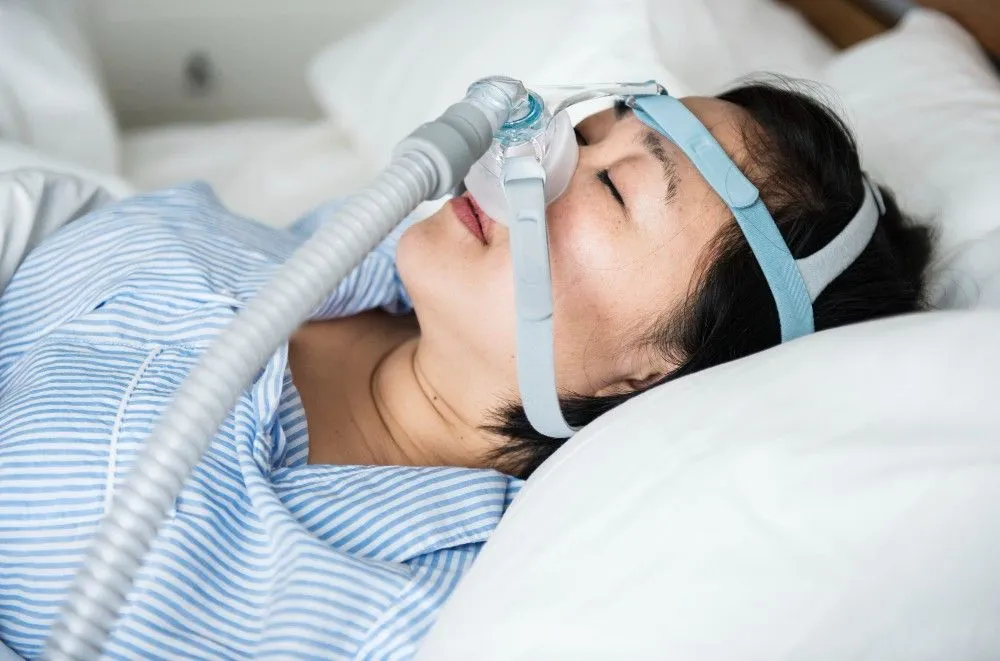
CPAP stands for Continuous Positive Airway Pressure. A CPAP machine works by delivering a steady stream of pressurised air through a mask worn during sleep, keeping your airway open and preventing the interruptions that cause apnea episodes. It’s one of the most well-established and effective treatments for obstructive sleep apnea, and many users notice a significant improvement in their sleep quality within the first few nights of use.
The benefits go well beyond simply feeling more rested. Regular CPAP use can reduce daytime sleepiness, improve concentration, lower blood pressure, and decrease the risk of long-term cardiovascular complications. If you’ve been recently diagnosed or are exploring your options, learning more aboutCPAP machines is a great starting point.
Types of CPAP Machines
Not all CPAP machines are the same, and understanding the differences can help you find the right fit for your needs.
Standard CPAP machines deliver a fixed, constant pressure throughout the night. They’re straightforward, reliable, and often the first option prescribed. They work well for people whose pressure needs are consistent and predictable.
Auto-adjusting CPAP (APAP) machines are more flexible. They monitor your breathing in real time and automatically adjust the air pressure up or down as needed. This makes them particularly useful for people whose pressure requirements change throughout the night or across different sleep positions.
Bi-level CPAP (BiPAP) machines use two separate pressure settings: one for when you inhale and a lower one for when you exhale. This makes breathing feel more natural and comfortable, and it’s often recommended for people who struggle to exhale against a fixed pressure or those with more complex respiratory conditions.
Your sleep specialist will recommend the most appropriate type based on your diagnosis and sleep study results.
Choosing the Right CPAP Mask
A well-fitting mask is just as important as the machine itself. If your mask is uncomfortable, leaks air, or doesn’t suit your sleeping style, it can undermine the effectiveness of your therapy and make you less likely to stick with it.
There are three main types to consider:
Nasal masks cover just the nose and are a popular choice for people who breathe through their nose during sleep. They offer a good balance between coverage and comfort.
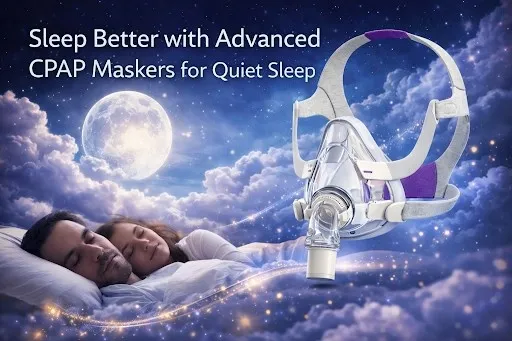
Full-face masks cover both the nose and mouth, making them ideal for mouth breathers or those who experience nasal congestion. They tend to be bulkier but are often necessary for higher pressure settings.
Nasal pillow masks are the most minimal option, sitting at the entrance of the nostrils rather than over the nose. They’re lightweight, less intrusive, and a good fit for people who feel claustrophobic with larger masks or who sleep on their side.
When selecting a mask, consider your sleeping position, whether you breathe through your mouth or nose, and whether you wear glasses or have facial hair. A proper fitting assessment is strongly recommended, particularly for first-time users. Exploring the range ofCPAP masks available can help you understand your options before making a decision.
Accessories and Maintenance Tips
Keeping your CPAP equipment clean and well-maintained is essential for both hygiene and performance.
Heated humidifiers can be attached to most machines to add moisture to the air you breathe, which helps prevent dryness and irritation in the nose and throat. This is especially helpful for people in drier climates or those using higher pressure settings.
one to three months, depending on the type. A clogged filter reduces airflow and puts strain on the machine.
Mask cushions and seals wear down over time and should be replaced every four to eight weeks to maintain a proper seal and prevent leaks.
For daily cleaning, rinse your mask and tubing with warm soapy water and allow them to air dry away from direct sunlight. A dedicated CPAP cleaning device can simplify this routine, though warm water and mild soap remain the standard recommendation. A weekly deep clean of the humidifier chamber is also good practice.
Where to Buy CPAP Machines and Masks
You can purchase CPAP equipment through online retailers or in-store from specialist providers. Both have their merits: online shopping offers convenience and competitive pricing, while purchasing in person allows you to try on masks, ask questions, and receive personalised guidance.
For residents in Western Australia,Rockingham CPAP is a local provider offering fitting consultations and ongoing support. Working with a specialist is particularly valuable when you’re starting, as getting the right equipment and settings from the beginning can make a significant difference to your long-term experience with therapy.
Whichever route you choose, make sure your provider offers ongoing support and an easy process for trialling or exchanging masks that don’t fit well.
Common Tips for First-Time CPAP Users
Starting CPAP therapy can feel daunting at first. It’s normal to need a period of adjustment, and most people find that discomfort reduces significantly over the first few weeks.
- Wear the mask while awake. Before you try sleeping with it, spend some time wearing your mask while watching television or reading. This helps your brain associate the mask with relaxation rather than discomfort.
- Start with a low-pressure ramp. Many machines offer a ramp feature that gradually increases pressure as you fall asleep. If this is available, use it.
- Track your data. Most modern CPAP machines record usage statistics, including mask leak rates and apnea events. Reviewing this data, either on the machine itself or through a companion app, helps you identify issues early and show your doctor meaningful progress.
- Address leaks early. Air leaking around the mask edges is one of the most common complaints. A minor adjustment to the headgear fit can often resolve this without needing a different mask altogether.
- Be patient with yourself. Full adaptation can take four to six weeks. If you’re struggling, speak with your sleep specialist rather than abandoning therapy. There are often simple adjustments that can make a real difference.
Better Sleep Is Within Reach
Sleep apnea is a serious condition, but it’s also one of the most treatable. With the right CPAP machine, a well-fitted mask, and a commitment to consistent use, most people experience a meaningful and lasting improvement in their sleep and overall quality of life. Take the time to understand your options, seek guidance from a qualified provider, and give yourself the space to adjust. A better night’s sleep is not just possible; it’s closer than you think.

लेखक