A cancer diagnosis changes everything in a single conversation. One appointment. One scan result. One word. Suddenly, you are navigating medical terms, treatment options, second opinions, and financial decisions you never expected to face.
In 2026, cancer care is more advanced than ever. Treatments are more targeted, survival rates continue to improve for many cancers, and personalised medicine is becoming standard practice. But the process can still feel overwhelming.
This guide walks you step by step through modern cancer treatment, what to expect at each stage, and how patients and families can make informed, confident decisions.
Step One: Understanding the Diagnosis
Before treatment begins, clarity is critical. Cancer is not a single disease. It includes hundreds of types and subtypes, each behaving differently.
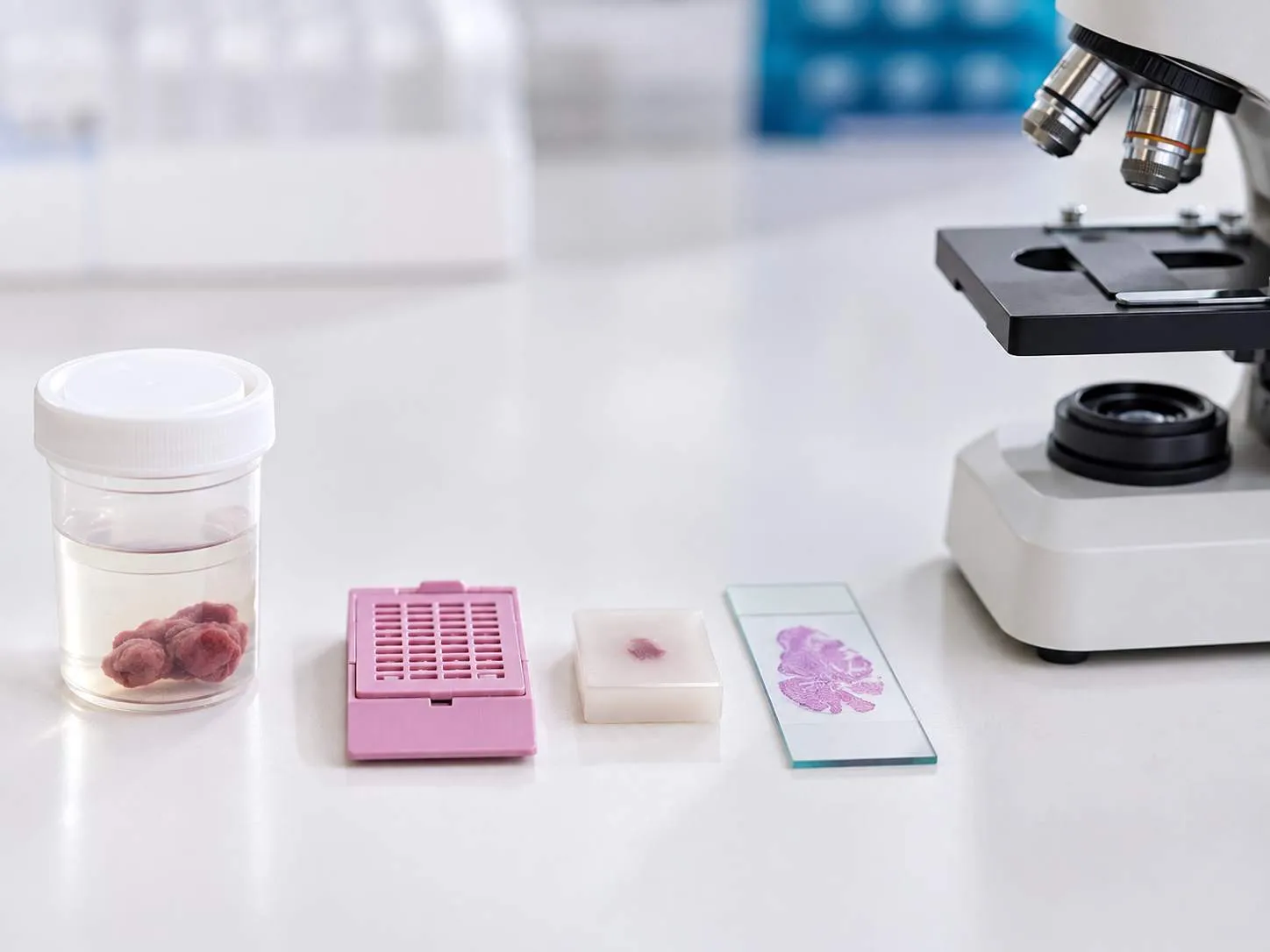
Doctors rely on imaging scans, biopsies, blood tests, and sometimes genetic analysis to determine the exact type and stage of cancer. Staging identifies whether the disease is localised, has spread to nearby lymph nodes, or has metastasised to distant organs.
This information shapes the entire treatment strategy. Without accurate staging, therapy decisions cannot be optimised.
The Multidisciplinary Team Approach
Modern cancer care is rarely managed by one doctor alone.
Most patients are reviewed by a multidisciplinary team that includes medical oncologists, surgeons, radiation oncologists, radiologists, pathologists, and specialised nurses. Each professional brings a different expertise.
Together, they evaluate the best sequence and combination of therapies. This collaborative model reduces blind spots and ensures treatment decisions are balanced and evidence-based.
Surgery: Removing the Tumour
For many early-stage cancers, surgery remains the primary treatment.
The goal is complete removal of the tumour along with a margin of healthy tissue to reduce recurrence risk. Depending on cancer type, lymph nodes may also be removed for staging.
Advancements in minimally invasive techniques, including robotic-assisted procedures, have reduced recovery times and complications in selected cases.
Surgery is often the first step in a broader treatment plan.
Chemotherapy: Systemic Treatment
Chemotherapy uses drugs to kill rapidly dividing cancer cells.
It may be administered before surgery to shrink a tumour, after surgery to reduce recurrence risk, or as primary treatment for advanced disease.
While chemotherapy can cause side effects such as fatigue, nausea, and hair loss, supportive medications have improved tolerability significantly in recent years.
Treatment plans are personalised based on tumour type, stage, and patient health.
Radiotherapy: Precision Targeting
Radiotherapy uses high-energy radiation to destroy cancer cells in specific areas.
It is often combined with surgery or chemotherapy, depending on the cancer type.
Modern techniques such as intensity-modulated radiotherapy allow precise targeting, minimising damage to surrounding healthy tissue.
For certain cancers, radiotherapy plays a curative role. For others, it helps control symptoms.
Targeted Therapy and Immunotherapy
The biggest advances in recent oncology involve targeted therapies and immunotherapy.
Targeted drugs attack specific molecular pathways that cancer cells depend on. Immunotherapy stimulates the immune system to recognise and destroy malignant cells.
Not every patient qualifies for these treatments. Eligibility depends on tumour genetics and biomarker testing.
These innovations have transformed outcomes in cancers such as melanoma, lung cancer, and certain breast cancers.
Personalised Medicine in 2026
Cancer treatment is no longer one-size-fits-all.
Genetic testing of tumours helps doctors identify mutations driving cancer growth. Based on these findings, therapies are selected to maximise effectiveness and reduce unnecessary toxicity.
Precision medicine means two patients with the same cancer type may receive different drug regimens. That variation reflects biological nuance rather than inconsistency.
Personalisation improves both survival outcomes and quality of life.
Managing Side Effects and Quality of Life
Treatment is not just about eliminating cancer cells. It is about maintaining dignity, comfort, and functionality.
Supportive care teams manage nausea, fatigue, neuropathy, and other side effects proactively. Nutrition counselling, physiotherapy, and psychological support often play essential roles.
Families should understand that symptom management is part of comprehensive cancer care, not an afterthought.
Effective treatment balances disease control with patient well-being.
Choosing Where to Receive Treatment
Selecting a treatment centre is one of the most significant decisions patients make.
Factors to consider include access to multidisciplinary teams, availability of advanced therapies, clinical trial options, and supportive services.
Many patients search for the best cancer hospital in Singapore when evaluating care options. While rankings and reputation matter, patients should also consider communication style, accessibility, and alignment with personal preferences.
The best environment is one where patients feel informed, supported, and respected.
Financial Planning and Insurance
Cancer treatment can be costly, particularly for advanced therapies.
Understanding insurance coverage, government subsidies, and available financial assistance is critical early in the process.
Hospitals often provide financial counselling services to help families navigate claims and payment structures.
Proactive planning reduces stress and allows patients to focus on recovery rather than paperwork.
The Role of Clinical Trials
Clinical trials offer access to emerging therapies that are not yet widely available.
For certain patients, especially those with advanced disease, trials may provide additional treatment avenues.
Participation is voluntary and carefully regulated. Oncologists will discuss potential risks and benefits in detail.
Clinical research continues to shape the future of cancer treatment.
Emotional and Family Support
A diagnosis affects not only the patient but also loved ones.
Family members often serve as caregivers, decision partners, and emotional anchors.
Counselling services, support groups, and open communication within the family unit can ease psychological burden.
Addressing emotional health is as important as managing physical symptoms.
After Treatment: Survivorship and Monitoring
Completing active treatment does not mark the end of care.
Regular follow-up appointments monitor for recurrence and manage long-term side effects. Lifestyle adjustments, exercise programmes, and nutrition strategies may be recommended.
Survivorship planning ensures that patients transition safely from intensive therapy to long-term monitoring.
Recovery is a journey, not a single milestone.
Looking Ahead: The Future of Oncology
Research continues to expand possibilities.
Artificial intelligence assists in treatment planning. Biomarker testing grows more precise. Immunotherapies evolve rapidly.
The trajectory of cancer treatment points toward increasingly personalised, less toxic, and more effective strategies.
Hope is grounded in evidence, not speculation.
Final Thoughts
Navigating cancer treatment in 2026 requires informed decision-making, collaborative care, and emotional resilience.
From diagnosis and staging to advanced therapies and survivorship planning, every stage involves structured guidance and medical expertise.
Patients and families who understand the process are better equipped to ask questions, evaluate options, and move forward confidently.
Cancer care today is more sophisticated than ever. And while the journey is challenging, knowledge remains one of the most powerful tools you can carry.

Reviewed by