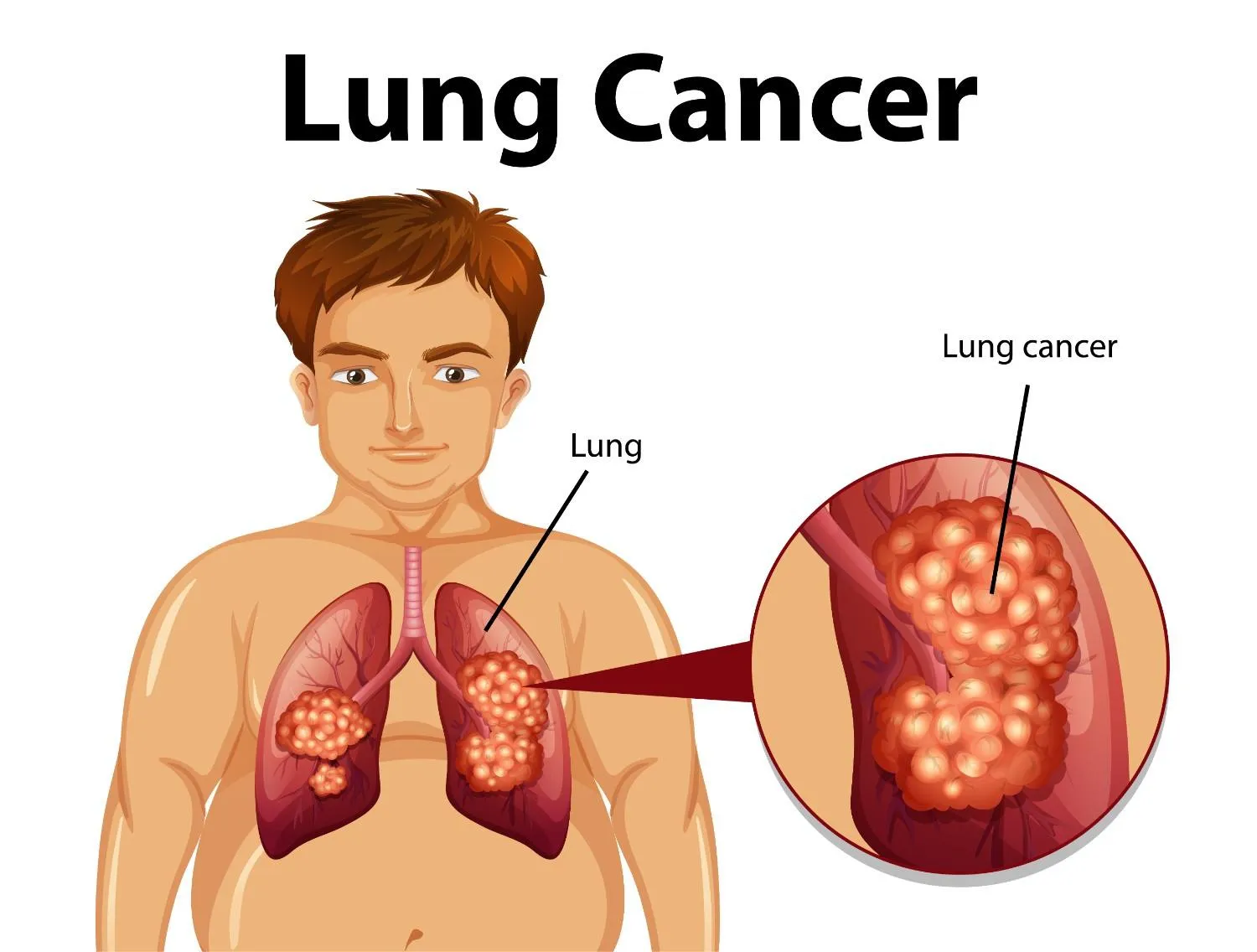
It is 2 a.m. Your child has been coughing for hours, the fever has returned and every breath seems quicker than before. You offer water, adjust the pillow and wonder whether this is a stubborn cold or something that needs urgent attention. When coughing is accompanied by fever, chest discomfort, poor feeding or difficult breathing, a lung infection such as pneumonia may be the reason. At this point, comfort measures alone are not enough. An assessment at a child specialist hospital can help identify the cause and determine what treatment is needed. Once medical care is underway, gentle supportive steps can help your child rest, stay hydrated and recover more comfortably.
Before trying remedies, watch how your child breathes
Pneumonia is a lung infection that may be caused by viruses or bacteria. Because the symptoms can appear similar, parents cannot reliably decide the cause or treatment at home. A clinician may assess breathing rate, oxygen levels, temperature, hydration and overall responsiveness.
Seek urgent medical help if you notice:
-
Fast, noisy or visibly difficulty breathing
-
Skin pulling in around or below the ribs
-
Flaring nostrils with each breath
-
Pale, grey or bluish lips or nail beds
-
Difficulty waking your child
-
Inability to drink, breastfeed or keep fluids down
-
Convulsions or unusual limpness
-
Symptoms worsening despite prescribed treatment
Chest indrawing, difficulty drinking and changes in alertness can indicate serious illness, particularly in babies and young children.
Gentle measures that can ease discomfort
Home care should support the treatment recommended by your child’s doctor. These measures may make your child more comfortable, but they do not replace medical treatment for pneumonia.
|
What may help |
How to use it safely |
|
Frequent fluids |
Offer small sips regularly instead of expecting a full glass at once |
|
Rest |
Allow extra sleep and reduce physically demanding activities |
|
Saline nose drops |
Use them to loosen nasal mucus, particularly before feeds or sleep |
|
Comfortable positioning |
Keep an older child slightly upright while awake if lying flat worsens coughing |
|
Moist air |
Use a clean humidifier when indoor air is dry |
|
Honey for children over one |
A small amount may soothe a troublesome cough, but ask the doctor first |
1. Offer small amounts of fluid frequently
Fever, rapid breathing and poor appetite can increase the risk of dehydration. Water, breast milk, formula, soups or other age-appropriate fluids may be easier to manage in small, repeated amounts.
Watch for fewer wet nappies or toilet visits, a dry mouth, absent tears or unusual sleepiness. Contact the care team if your child cannot drink adequately.
2. Clear a blocked nose before sleep and feeds
A congested nose can make feeding and resting more difficult, especially for babies. Saline drops can loosen dried mucus. For infants, gentle nasal suction may be used after saline when advised by a healthcare professional.
Avoid repeatedly disturbing a sleeping child merely to clear mild congestion. Use this measure when blockage is interfering with breathing through the nose or feeding.
3. Manage fever and pain carefully
Fever can leave a child uncomfortable and unwilling to drink. Use only the fever or pain medicine recommended for your child’s age and weight. Follow the prescribed dose and timing.
Do not combine medicines or alternate them unless a doctor has explained how to do so. Aspirin should not be given to children unless specifically prescribed.
4. Let the cough do some of its work
A pneumonia cough may sound distressing, but coughing helps move mucus from the airways. The aim is not necessarily to stop every cough. Focus instead on hydration, comfortable positioning and treating the underlying infection.
Honey may provide some relief for children aged over one year. It must never be given to babies under one because of the risk of infant botulism.
Remedies that can create more problems
A desperate night can make almost any suggestion seem worth trying. However, avoid:
-
Leftover antibiotics from an earlier illness
-
Antibiotics shared by another family member
-
Unprescribed steroid medicines
-
Strong herbal mixtures with unknown ingredients
-
Over-the-counter cough and cold medicines for young children
-
Exposure to cigarette smoke, incense or strong fragrances
Over-the-counter cough and cold medicines are not recommended for children under four. Between four and six years, they should be used only when advised by a doctor.
Antibiotics may be needed for bacterial pneumonia, but they do not treat viral infections. When antibiotics are prescribed, give them exactly as directed and complete the course unless the treating doctor changes the plan.
Choosing care that helps you feel less alone
Searching for the best paediatrician in India may produce endless names and rankings. During a respiratory illness, what matters more is access to a paediatric team that listens carefully, checks oxygen levels and provides clear instructions for home monitoring and emergencies.
At a paediatric care service such as Rainbow Children's Hospitals, parents can ask:
-
What is causing the breathing difficulty?
-
Does my child need hospital observation?
-
Which medicine is essential and which is only for comfort?
-
What improvement should I expect within the next 24 to 48 hours?
-
Which symptoms mean we should return immediately?
-
When should the next review take place?
Write the answers down. Sleepless and worried parents may struggle to remember verbal instructions later.
Make the night manageable with a simple checklist
Before settling your child, confirm that:
-
Breathing is not becoming more laboured
-
Your child is taking some fluids
-
Prescribed medicines have been given correctly
-
You know whom to contact if symptoms worsen
-
Emergency transport is available if needed
Most children recover well with appropriate medical attention, although tiredness and reduced appetite may continue for some time. A child who is not improving after discharge or treatment should be reviewed again.
The most effective pneumonia relief is not a single home remedy. It is the combination of timely medical care, prescribed treatment, hydration, rest and close observation. Gentle comfort measures can make the night easier, but trusting your instincts and seeking help when breathing changes occur can make the biggest difference.
Disclaimer: This article provides general information and does not replace examination or treatment by a qualified paediatrician.

Reviewed by