A missing tooth has a way of changing small habits. You chew more carefully, avoid certain foods, or keep your smile a little more closed in photos. For many people in the Northwest Valley, one of the most dependable ways to close that gap is a bridge, and the dental bridges Surprise patients choose today look and feel far more natural than the versions many people remember from decades ago. If you are weighing your options, here is what you should know before making a decision.
Why replacing a missing tooth matters
Tooth loss becomes more common with age, which makes it an especially relevant topic in a community with a large population of retirees. According to the National Institute of Dental and Craniofacial Research, adults 65 and older have an average of about 21 remaining teeth, and roughly 15 percent have no natural teeth left at all.
Even one missing tooth can set off a chain reaction. The teeth on either side may gradually tilt or drift into the empty space, and the opposing tooth can begin to extend toward the gap. Over time, this can affect your bite and make certain areas harder to clean.
What a dental bridge actually is
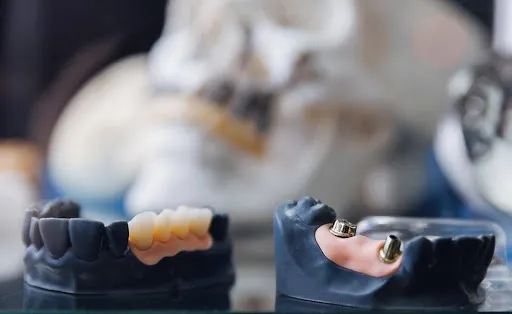
A dental bridge is a fixed restoration that “bridges” the space left by one or more missing teeth. It typically includes a replacement tooth, called a pontic, held in place by supports on one or both sides. Unlike a removable partial denture, a bridge is cemented in place, so you do not take it out at night or worry about it shifting while you eat or speak.
According to Cleveland Clinic, there are four main types of bridges:
-
Traditional bridges are the most common. The replacement tooth is held by crowns placed on the natural teeth on either side of the gap.
-
Cantilever bridges are supported on only one side and are used in specific situations where there is a healthy tooth on just one side of the space.
-
Maryland bridges use a framework bonded to the back of neighboring teeth, which can mean less reshaping of those teeth. They are often used for front teeth.
-
Implant-supported bridges are anchored to dental implants instead of natural teeth, which makes them a strong option when several teeth in a row are missing.
Bridge or implant: how to decide
Many patients ask whether they should choose a bridge or a single implant. The honest answer is that it depends. A traditional bridge can be a good fit when the teeth next to the gap already have large fillings or would benefit from crowns anyway. In that case, the supporting crowns strengthen those teeth while replacing the missing one. Bridges also tend to be completed faster than implants, since there is no healing period for the jawbone.
On the other hand, if the neighboring teeth are healthy and untouched, some patients prefer not to reshape them. An implant or an implant-supported bridge may make more sense in that case, particularly when the jawbone is in good condition. A thorough exam, ideally with 3D imaging, helps your dentist compare these options based on your teeth rather than general rules.
Dig Deeper: Dental Implants vs. Bridges: Which One Is Best for You?
What to expect during treatment
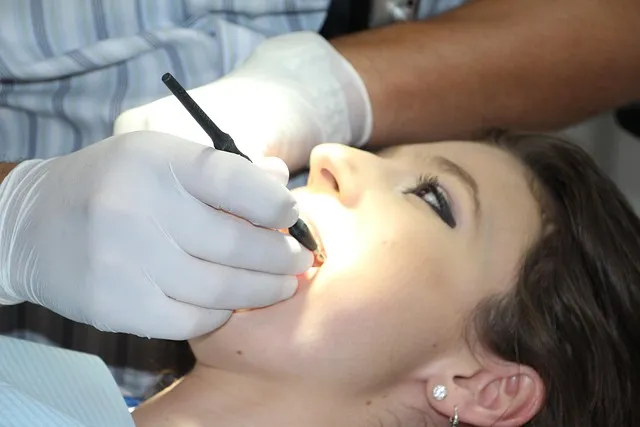
For a traditional bridge, treatment usually takes two main visits. During the first, the supporting teeth are numbed and gently reshaped to make room for the crowns. Your dentist then takes impressions or digital scans, and a temporary bridge is placed to protect the area.
At the second visit, the temporary bridge is removed and the permanent one is checked for fit, color, and bite before it is cemented in place. Practices with an on-site lab can often make adjustments more quickly, which helps reduce waiting time between steps. Most patients return to normal eating within a short time, though it may take a few days to get used to the new tooth.
How long do bridges last?
With good care, bridges are a long-term solution. Cleveland Clinic notes that the average dental bridge lasts five to 15 years, and some last even longer with proper maintenance. The biggest factors are the health of the supporting teeth and how well the area under the bridge is kept clean.
A few habits make a real difference:
-
Brush twice a day and floss daily, using a floss threader or small interdental brush to clean under the replacement tooth.
-
Keep up with professional cleanings and checkups so small problems are caught early.
-
Avoid chewing ice, hard candy, or other very hard objects that can damage the bridge or supporting crowns.
-
Ask about a night guard if you clench or grind your teeth.
Getting care close to home
For residents of Surprise, Sun City Grand, Sun City West, and El Mirage, a nearby office makes follow-up visits easier. Before committing, ask which bridge type fits your situation, whether an implant would be a better long-term choice, and whether pricing will be provided in writing. A good dentist will explain the pros and cons without pushing you toward one answer.
The bottom line
A missing tooth affects how you chew, how your remaining teeth line up, and how comfortable you feel smiling. Dental bridges remain a reliable, natural-looking way to fill that gap. If you have been living with a missing tooth, a consultation can help you decide whether a bridge, an implant, or both is the right path forward.

Reviewed by