There is a certain kind of uncertainty about walking into a dental clinic after years, or for the first time. Will there be a drill? Does it hurt? In those few minutes with the mirror and probe, what is the dentist looking for? And a dental check up in 2026 looks very different to the version most people remember from their childhood. Digital devices are doing much of the work that used to rely purely on a dentist’s trained eye.
This guide takes you through step-by-step what happens from the time you sit in the chair to the time you walk out, including the newer technology that’s changed the way dentists diagnose problems. Whether you're nervous about your first visit or just want to know what's changed, you'll know exactly what to expect before you even make the appointment.
Before You Even Sit In The Seat
Health History Review and Check-in
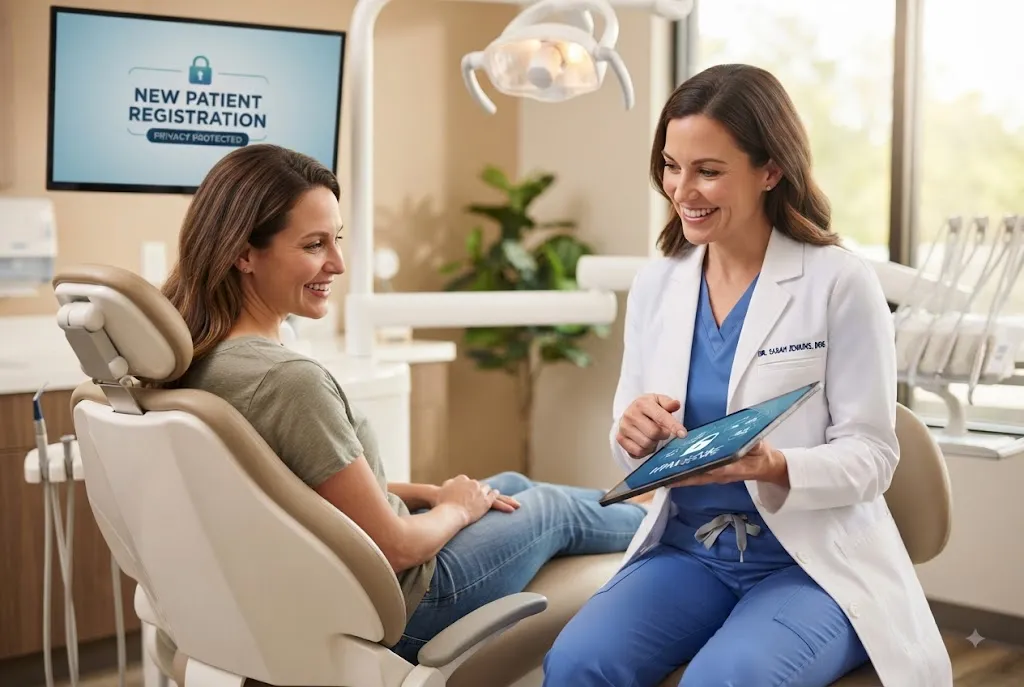
Most clinics have now moved to digital intake, with patients filling out medical history forms on a tablet or through an app before the appointment starts. This is more important than it seems, as certain medications, pregnancy and existing health conditions can all impact what the dentist checks for and how they proceed.
Digital X-Rays (Not Film)
If X-rays are required, you will probably be using a digital sensor rather than the old film system. Digital X-rays also expose the patient to far less radiation than traditional film and the image pops up on a screen within seconds instead of having to be developed separately. This allows the dentist to see your teeth and the structure of your jawbone almost immediately, right next to you.
The Core Examination Process
Visual & Physical Inspection
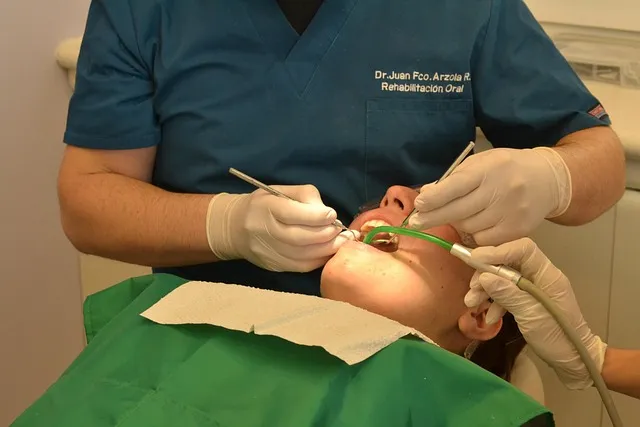
First, the dentist or hygienist will look at each tooth for signs of visible decay, cracks and wear patterns. A small mirror and metal probe are used to find soft spots that could mean a cavity is forming, and your bite alignment and the condition of any existing fillings or crowns will also be examined.
Examination of Gums and Tissues
The exam also examines your gums, tongue and the soft tissue lining your mouth and throat, in addition to the teeth themselves. Pocket depth is the space around the tooth measured by a small periodontal probe . The pocket becomes deeper when there is early gum disease before it is visible . This part of the check-up is also a basic oral cancer screening. The dentist will look for any unusual lumps, discoloration, or sores that have not healed.
Intraoral Scanners Are Changing the Visit
One of the more obvious changes in a modern check up is the increased use of intraoral scanners instead of the old putty impression trays. These handheld devices create a detailed 3D digital image of your teeth in just a few minutes, with none of the gag-inducing mess that impression material used to make.
Why This Technology Is Important to Patients
Intraoral scans also provide a detailed, high-resolution record that dentists can compare to future visits, in addition to providing comfort. Instead of trying to remember or manually write down subtle changes over time, the dentist can pull up last year’s scan and this year’s scan side-by-side to see differences in tooth position, wear or gum recession that might otherwise have been missed.
AI-Assisted Diagnostics on a Chair
More clinics are using these scans alongside AI diagnostic software, which identifies potential cavities, bone loss or early signs of periodontal disease for the dentist to review. The software doesn’t replace the dentist’s judgment, but it provides a consistent second pair of eyes, highlighting subtle patterns that are easy to miss in the fast pace of an appointment. That means problems are often caught earlier, when treatment is easier and cheaper for patients.
Cleaning & Preventive Care
Professional Cleaning Steps
After the exam is complete, the hygienist usually does a professional cleaning . This removes plaque and buildup of tartar that regular brushing can not completely remove . This usually includes scaling to remove hardened deposits along the gumline and then polishing to smooth the tooth surface and remove surface stains.
How a Modern Clean is Different
Most clinics are now equipped with ultrasonic scaling tools that use vibration and a fine spray of water to break up tartar more comfortably than scraping alone. Some clinics also provide fluoride treatments or sealants as a preventive measure, particularly for younger patients or those with a history of frequent cavities.
Traditional Vs Modern Check Ups
Anyone who hasn’t been to a dentist in years will find the appointment far less intimidating if they understand how today’s visit is different from the older model.
-
Traditional checkups featured film X-rays that required some time to develop. Modern visits use instant digital imaging that exposes patients to less radiation exposure.
-
Older impressions were messy putty trays, today’s intraoral scanners capture the same info digitally in a few comfortable minutes
-
Previously, diagnosis was based on the dentist’s visual judgment alone; now AI-assisted software provides a second layer of pattern detection.
-
Records used to be paper charts, now digital scans and images allow immediate side by side comparisons between visits
-
Manual scraping was the primary method of doing cleanings in the past, but ultrasonic tools accelerate the process and generally make it more comfortable
Selecting a Clinic That Uses Advanced Technology
Not all dental practices are utilizing digital scanning and AI-assisted diagnostics to the same extent, so it’s worth asking about a clinic’s tools before you book, especially if comfort or diagnostic thoroughness is important to you. Many clinics such as Nuffield Dental have embraced the use of digital imaging and modern scanning technology as a part of their standard check up process, giving a more comfortable and detailed experience than the traditional model many people still associate with a dental visit.
Going Into Your Next Appointment With Confidence
While the main reason for a dental check up, catching problems early and keeping your mouth healthy, hasn’t changed, a dental check up in 2026 involves much more than a quick look and a scrape. Today, digital X-rays, intraoral scanners and AI-assisted diagnostics make the process faster, more comfortable, and more accurate than it used to be. When you know what to expect before you sit down it eliminates most of the uncertainty that keeps people putting off their next appointment. Make an appointment and ask your dentist about the technology they use to get a clearer picture of your oral health and guide what you do next.
Frequently Asked Questions
Is an X-ray always part of a dental check up?
Not always. If a patient’s teeth are generally healthy, a dentist will usually recommend an X-ray every one to two years unless the patient has a history of cavities or gum disease, in which case more frequent imaging may be necessary.
Is the AI software replacing the dentist's own judgement?
No. The AI diagnostic tools flag potential areas of concern for the dentist to assess, but the final diagnosis and treatment plan is still made by the dentist, who takes into account your entire history and physical exam in addition to the software's recommendations.
How long is a routine check up?
Most routine check ups, including the exam and cleaning, take between 30 and 60 minutes, though a first visit or one with x-rays and a more thorough assessment can take longer.
Is there anything I need to do to prepare for the appointment?
You can brush normally beforehand but you don’t need to do anything special. Just bring a list of any medications you are taking and be prepared to tell about any pain, sensitivity or changes you have noticed since your last visit.

Reviewed by