The first years of a child's life establish habits and health patterns that can last well into adulthood. Understanding the importance of early dental care helps parents protect growing smiles before problems become painful or expensive to treat. Rather than waiting until discomfort appears, early checkups focus on prevention, education, and monitoring normal development.
Research and recommendations from leading dental organizations consistently show that beginning care at the right time supports healthier outcomes while giving families the knowledge they need to care for their children's smiles confidently.
Why Early Dental Care Matters
Many parents believe a child only needs to see a dentist after all of the primary teeth have appeared, but professional recommendations encourage much earlier evaluations. The benefit of early appointments is that they allow professionals to identify concerns before they become significant issues.
Healthy primary teeth play an essential role in speech, chewing, nutrition, and guiding permanent teeth into their proper positions. Although baby teeth eventually fall out, they should remain healthy until they are naturally replaced.
Parents also discover numerous early dental care benefits, including personalized guidance on feeding habits, brushing techniques, and recognizing changes that deserve professional attention. These visits allow providers to monitor tooth eruption, evaluate growth, and recommend appropriate preventive care based on each child's individual needs.
Families often learn that the benefits of early dental visits for children extend beyond clean teeth. Regular monitoring helps build confidence, encourages cooperation during appointments, and creates positive experiences that may reduce anxiety later in life.
For parents interested in expert pediatric-focused treatment, Waise Ebrahimi, provides comprehensive care designed to support children through every stage of development.
When Should Children First Visit the Dentist?
Most professional organizations recommend scheduling the first appointment by a child's first birthday or within six months after the first tooth appears. Beginning care during early childhood allows providers to identify potential concerns while they are still easy to manage.
Organizations such as the American Academy of Pediatric Dentistry and the American Dental Association emphasize the value of establishing a dental home early rather than waiting for pain or visible problems.
Early appointments usually include:
A gentle examination of the child's teeth and surrounding tissues.
Guidance on age-appropriate oral hygiene routines.
Nutritional recommendations that encourage good oral habits.
Individualized discussions about cavity risk and home care.
Starting visits early also allows providers to determine whether a fluoride treatment may be appropriate based on the child's risk factors and community water supply.
What Happens During Early Appointments?
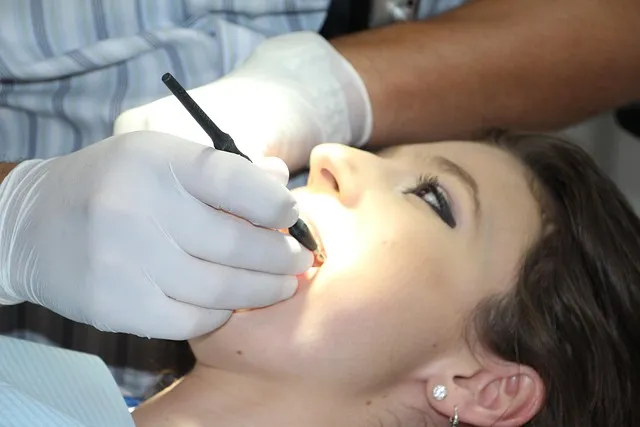
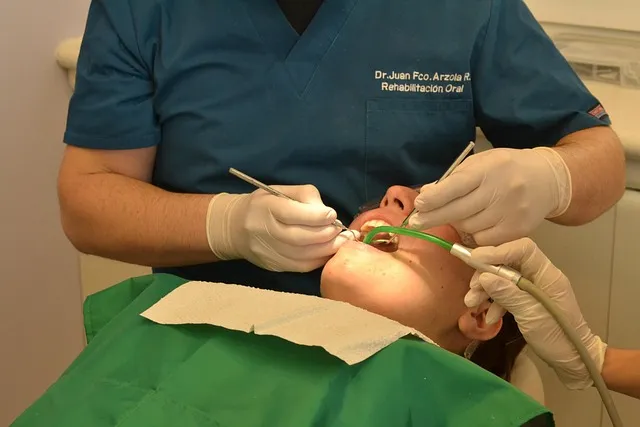
Parents are often surprised by how simple and educational an infant or toddler appointment can be. The focus is less on treatment and more on education, prevention, and observation.
The importance of pediatric dentistry becomes especially clear during these visits because clinicians monitor development while teaching parents how daily routines influence long-term health.
Early Appointment Focus | Long-Term Advantage |
Growth and development evaluation | Early identification of concerns |
Parent education | Better home care routines |
Risk assessment | Lower chance of future complications |
Preventive recommendations | Healthier lifelong habits |
Depending on individual needs, providers may discuss feeding practices, thumb sucking, pacifier use, or injury prevention. They also explain how preventive dental strategies help reduce the likelihood of future restorative treatment.
Children who become familiar with the dental environment at a young age often develop greater comfort during future dental visits, making routine appointments less stressful for both parents and children.
How Parents Can Build Healthy Habits
Daily routines at home remain one of the strongest influences on lifelong dental wellness. Parents can support healthy development by creating simple habits that become part of everyday life.
Helpful practices include:
Brush twice daily using age-appropriate toothpaste.
Limit frequent sugary snacks and drinks.
Encourage water between meals.
Schedule regular dental checkups as recommended.
Follow personalized advice from pediatric dentists.
These habits help reduce the risk of tooth decay while supporting overall oral health throughout childhood.
Families of children with special healthcare needs may benefit from individualized recommendations that address medical conditions, medications, or sensory concerns. Early communication with providers helps create a comfortable experience tailored to each child's circumstances.
Understanding the early dental visits importance also means recognizing that prevention is usually easier, less invasive, and less costly than treating advanced disease after symptoms appear.
Starting dental care early provides families with valuable education, professional guidance, and opportunities to identify concerns before they become serious. Recommendations from experts in pediatric dentistry consistently support beginning evaluations during infancy because early prevention encourages healthier smiles and more positive dental experiences throughout life.
By establishing healthy routines, seeking timely professional evaluations, and following individualized recommendations, parents can help children develop strong habits that support lasting health and confidence.

Reviewed by