A sunny afternoon sounds appealing until the heat starts to take its toll. For some people, a little sunshine is enough to trigger heavy sweating, headaches or a feeling of exhaustion that seems completely out of proportion to the weather. Even simple things, such as walking to work, shopping or sitting in a warm office, can become surprisingly uncomfortable.
This is sometimes described as heat intolerance. It means that a person has difficulty tolerating higher temperatures and may feel overheated in situations that other people manage without much trouble.
There is no single explanation for why this happens. Hormonal changes, certain medications, dehydration and underlying health conditions can all play a part. Some people also notice that their tolerance for heat changes over time, making summers or physically demanding days harder to get through than they used to be.
Fortunately, there are ways to make hot conditions more manageable. Understanding what causes heat intolerance is a good starting point. From there, everyday adjustments, medical advice when needed, and personal cooling products may help reduce discomfort.
What Exactly Is Heat Intolerance?
The human body works hard to maintain a fairly stable internal temperature. When the surrounding temperature rises, the body responds by sending more blood towards the skin and producing sweat. As the sweat evaporates, it helps carry heat away from the body.
Under normal circumstances, this system does a remarkably good job. Problems can arise, however, when the cooling process becomes less effective or when the body struggles to respond to heat in the usual way.
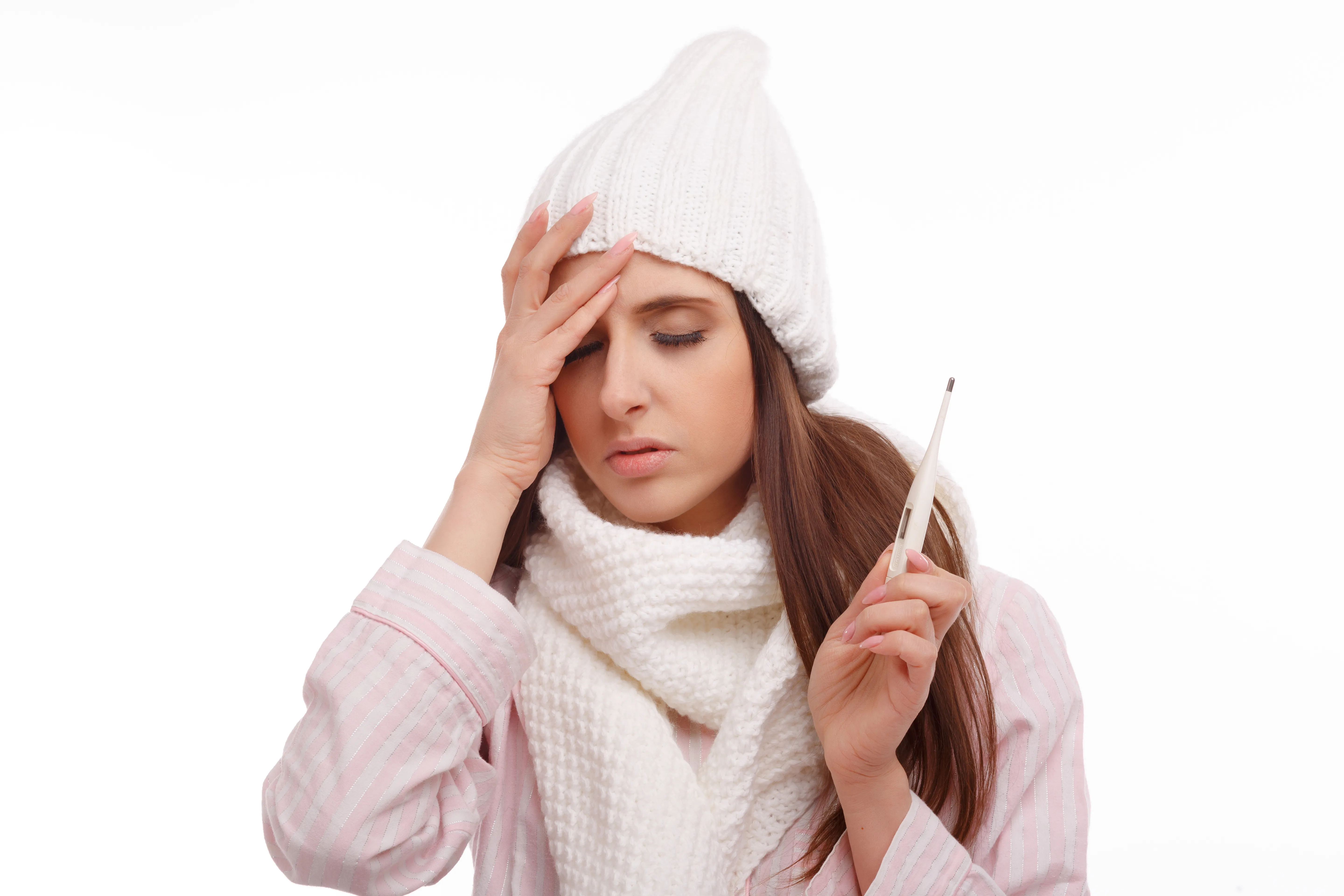
Someone experiencing heat intolerance might start sweating heavily while doing very little. Another person may feel weak, restless or unusually tired after spending a short time outdoors. The experience differs from one individual to another, and the underlying reason is not always obvious.
Heat intolerance should not be confused with heat exhaustion or heatstroke. The first describes difficulty coping with heat, while the other two are potentially serious heat-related illnesses. Heatstroke, in particular, requires immediate medical attention.
What Causes Heat Intolerance?
Finding the reason behind heat intolerance can take some investigation. Several factors may be responsible, and sometimes more than one is involved.
Hormonal Changes Can Affect Temperature Regulation
Hormones influence many processes in the body, including the way temperature is regulated. This becomes particularly noticeable during menopause, when changing hormone levels can trigger hot flashes and episodes of sweating.
These sudden waves of heat can occur even in a room that feels comfortable to everyone else. For some women, they last only a few minutes. For others, they interrupt sleep or make everyday activities more difficult.
An overactive thyroid is another possible cause. When the thyroid produces too much hormone, the body's metabolism can speed up. Heat sensitivity, excessive sweating, a racing heartbeat and unexplained weight loss may follow.
If these symptoms appear regularly, it is worth discussing them with a healthcare professional rather than assuming that the weather is entirely to blame.
Medication May Play a Role
Medication is another factor that is easy to overlook. Certain antidepressants, antihistamines, diuretics and other medicines can affect sweating, fluid balance or the body's ability to regulate temperature.
The effect depends on the specific medication and the person taking it. Someone might notice a difference after starting a new prescription, while another person may experience no noticeable change at all.
If heat intolerance develops unexpectedly, reviewing medication with a doctor or pharmacist can be helpful. Prescribed medication should never be stopped or changed without professional advice.
Dehydration Makes It Harder to Stay Cool
Water is essential for the body's natural cooling system. When fluid levels drop, the body may find it harder to cope with prolonged sweating and physical activity, particularly in hot weather.
Dehydration does not always begin with an obvious feeling of thirst. A dry mouth, dark urine, headaches and unusual tiredness can also be warning signs.
This is particularly relevant for people who work outdoors, exercise regularly or spend long periods travelling during the summer. Keeping water nearby and drinking at regular intervals can help, although individual needs vary.
People who have been advised to restrict their fluid intake for medical reasons should follow their healthcare professional's guidance.
Certain Health Conditions Can Increase Heat Sensitivity
Some health conditions affect the body's ability to control temperature. Disorders involving the nervous system, problems with sweating and certain cardiovascular conditions can all influence how well a person handles heat.
For example, if the nerves responsible for controlling sweat production are not working properly, the body may struggle to release excess heat. This can become particularly concerning during exercise or prolonged exposure to high temperatures.
Heat intolerance that appears suddenly, becomes progressively worse or occurs alongside other unexplained symptoms deserves medical attention.
Fitness and Everyday Habits Matter Too
Spending several hours in an air-conditioned office and then suddenly exercising outside on a hot day can be a shock to the body. People who are not accustomed to exercising in warm conditions may find that they overheat more quickly.
Gradual acclimatisation can help the body adjust to warmer temperatures. This involves increasing exposure to heat and physical activity carefully over time, rather than pushing through discomfort.
Sleep, hydration, clothing and opportunities to rest also influence how manageable a hot day feels. These factors do not explain every case of heat intolerance, but they can make a noticeable difference.
Recognising the Symptoms of Heat Intolerance
Heat intolerance does not look the same for everyone. One person may sweat excessively, while another mainly struggles with fatigue or dizziness.
Common symptoms include:
-
Sweating more than usual, even during light activity.
-
Feeling uncomfortable in temperatures that others find pleasant.
-
Headaches or a sensation of pressure in the head.
-
Dizziness, weakness or light-headedness.
-
A faster heartbeat or noticeable palpitations.
-
Nausea or a reduced appetite in warm conditions.
-
Difficulty concentrating or staying productive.
-
Feeling exhausted after relatively little physical effort.
-
Flushed skin or a persistent sensation of overheating.
These symptoms can affect more than physical comfort. Concentration may suffer, work can become harder, and activities that are normally enjoyable may start to feel like a chore.
It is important to recognise when the situation goes beyond ordinary heat sensitivity. Confusion, collapse, seizures or suspected heatstroke require emergency medical assistance. A person with suspected heatstroke needs immediate cooling while emergency help is arranged.
Everyday Ways to Cope With Heat Intolerance
Avoiding heat completely is not realistic for most people. Work, travel, exercise and everyday responsibilities often continue regardless of the weather. A few practical changes can nevertheless make hot days easier to manage.
Pay Attention to Hydration
Keeping a bottle of water within reach is a simple habit that can make a difference. Rather than waiting until thirst becomes intense, drink regularly throughout the day, especially when temperatures rise or physical activity increases.
During prolonged exercise or heavy sweating, replacing electrolytes may also be useful. The right approach depends on the duration and intensity of the activity, as well as individual health needs.
Dress for the Conditions
Clothing can influence how easily heat escapes from the body. Lightweight fabrics, a comfortable fit and good airflow are often preferable to heavy layers that trap warmth.
It is also worth considering the demands of the activity. Someone working outdoors may need protective clothing, while a person commuting or walking may have more freedom to choose breathable materials.
Make Small Changes to the Daily Routine
Timing can be just as important as clothing. Whenever possible, schedule strenuous activities for the cooler parts of the day. Early mornings and evenings may be more comfortable than the middle of the afternoon.
Short breaks in shaded, ventilated or air-conditioned spaces can help too. During a heatwave, it may be necessary to reduce physical effort and avoid unnecessary exposure to direct sunlight.
Consider Personal Cooling Products
Sometimes, changing the routine is not enough. Outdoor workers, cyclists, warehouse employees and people who spend hours at events may have little choice about where or when they need to be active.
In these situations, personal cooling products can offer another way to manage thermal discomfort. A cooling vest, for example, is designed to help remove heat from the body while allowing the wearer to continue with normal activities.
Different models use different technologies. Some rely on evaporating water, while others use phase change materials that absorb heat as they change state. The cooling effect, duration and maintenance requirements vary depending on the design and surrounding conditions.
Humidity is an important consideration for evaporative cooling, since moisture does not evaporate as readily in humid air. The demands of the activity matter as well. A vest intended for outdoor recreation may have different features from one designed for physically demanding work.
Personal cooling is not a cure for heat intolerance. It is an additional measure that may improve comfort when combined with sensible hydration, rest breaks and access to cooler surroundings.
How Personal Cooling Technology Fits Into Everyday Life
Personal cooling has become increasingly relevant in environments where conventional air conditioning is unavailable or impractical. Cooling an entire building is one thing. Keeping an individual comfortable while working outdoors or moving between different locations is another.
Wearable cooling products address this challenge by focusing on the person rather than the surrounding space. Depending on the technology, they may help manage heat during outdoor work, exercise, travel or other activities where high temperatures are difficult to avoid.
Evaporative cooling products are often relatively lightweight and straightforward to use. Their performance, however, depends partly on humidity and airflow.
Phase change cooling products work differently. They use specially selected materials that absorb heat as they change from one physical state to another. Depending on the product, cooling inserts may need to be reconditioned before they can be used again.
There is no universal solution that suits every situation. A person cycling in dry summer weather has different needs from an employee working in a humid industrial environment. Comfort, freedom of movement, cooling duration and compatibility with other clothing should all be considered.
For those exploring the available options, Inuteq offers personal cooling solutions for a range of applications. Comparing the different product types can help users understand which technology may be appropriate for their activities and working conditions.
Employers can also incorporate personal cooling into a broader heat management plan. This might involve adjusting shifts during hot weather, improving ventilation, providing drinking water, scheduling recovery breaks and training staff to recognise the warning signs of heat-related illness.
No wearable product should be treated as a substitute for these measures. Cooling equipment works best as part of a sensible approach to managing heat exposure.
When Is It Time to Seek Medical Advice?
It is normal to feel uncomfortable during a heatwave. Persistent heat intolerance, however, is worth investigating, particularly when it interferes with everyday life or appears without an obvious explanation.
A doctor can review the symptoms, discuss medication and decide whether further assessment is appropriate. Depending on the circumstances, this might include checking thyroid function or investigating other possible causes.
Medical advice is especially important when heat intolerance is accompanied by unexplained weight loss, frequent palpitations, unusual changes in sweating or persistent fatigue.
Emergency symptoms need a different response. Confusion, seizures, collapse or suspected heatstroke require immediate medical assistance. Move the affected person to a cooler place and begin cooling while waiting for emergency services. Do not delay treatment while trying to find a cooling product.
Conclusion: Finding a Better Way to Manage Heat
Heat intolerance can turn an ordinary summer day into a challenge. For some people, the cause is linked to hormones or medication. For others, dehydration, a health condition or difficulty adapting to warm weather may be involved.
Paying attention to the symptoms is a useful starting point, particularly when they appear repeatedly or begin to affect everyday routines. Drinking enough water, wearing breathable clothing and adjusting activities to avoid the hottest parts of the day can all help.
Personal cooling products provide another option when spending time in warm conditions cannot be avoided. A suitable cooling vest may make outdoor activities or demanding working conditions more manageable, provided it is used alongside other heat safety measures.
Most importantly, persistent heat intolerance should not simply be dismissed as an inability to handle summer weather. Understanding the possible causes, seeking medical advice when appropriate and making practical adjustments can help people approach warmer days with greater confidence and comfort.

Reviewed by