Dentistry has changed significantly over the past decade. Modern practices are no longer limited to basic tools and traditional techniques. Today, advanced technology plays a central role in improving diagnosis, treatment precision, patient comfort, and long term results. These innovations enable dental professionals to deliver more efficient, less invasive, and highly personalized care.
Patients seeking care from a trusted Jacksonville Beach dentist often benefit from practices that integrate modern tools into everyday procedures. Technology supports better decision-making, clearer communication, and improved outcomes for patients of all ages.
Key Findings
-
Digital imaging improves accuracy and early detection of dental issues.
-
Advanced tools enable minimally invasive, more precise treatments.
-
Modern equipment enhances patient comfort and reduces recovery time.
-
Technology strengthens safety, sterilization, and overall efficiency.
-
Digital systems improve communication between dentists and patients.
Digital Imaging for Accurate Diagnosis
One of the most important advancements in modern dentistry is digital imaging. Digital X rays produce high resolution images while using lower radiation levels than traditional film. These detailed images allow dentists to identify cavities, bone loss, infections, and structural concerns much earlier.
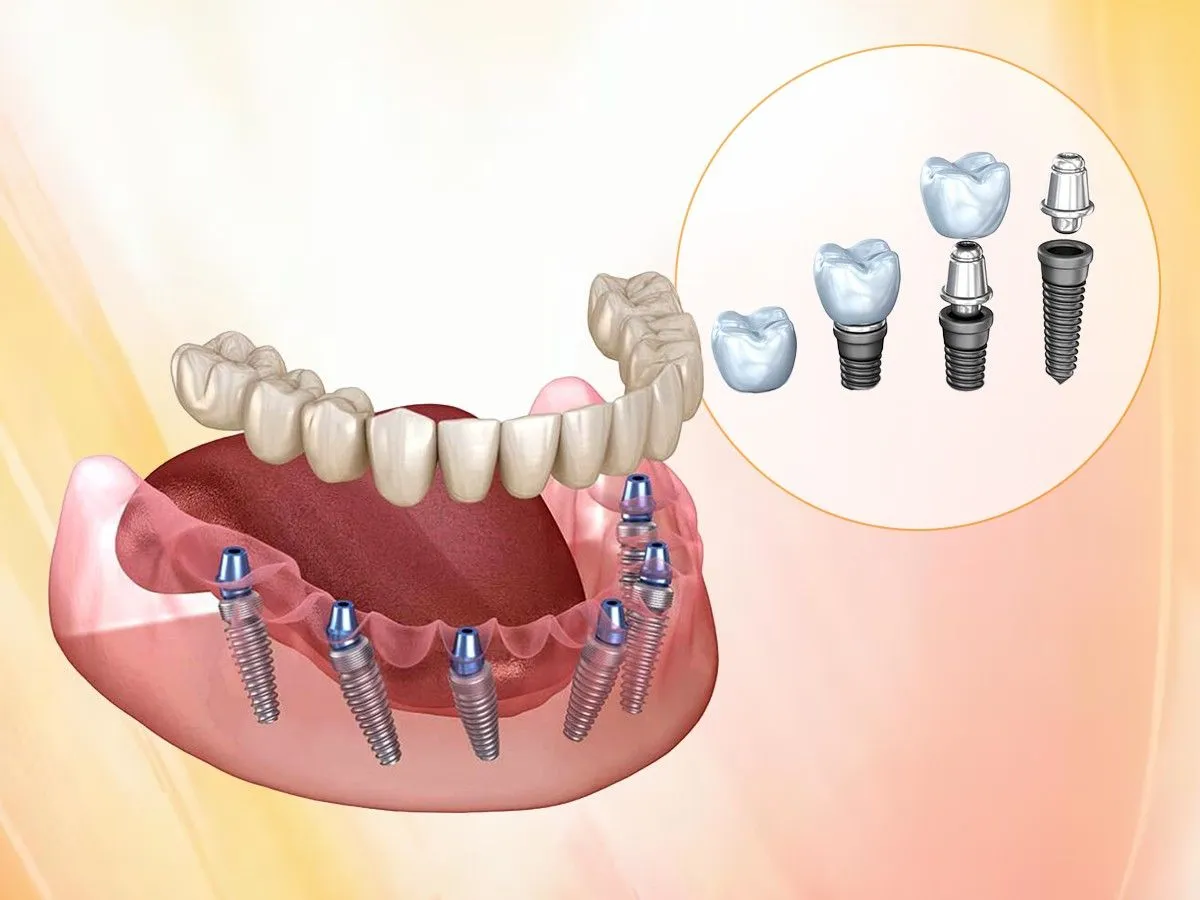
In many practices, three dimensional imaging provides an even clearer view of the teeth and jaw. This technology is particularly helpful when planning implants, evaluating impacted teeth, or diagnosing complex cases. Early detection leads to more conservative treatment and helps preserve natural tooth structure.
Accurate imaging also helps patients better understand their oral health. When patients can see detailed visuals of their condition, they are more informed and confident in recommended treatments.
Intraoral Scanners and Digital Impressions
Traditional dental impressions often involved bulky trays and impression material that many patients found uncomfortable. Today, intraoral scanners have transformed this process. These handheld devices capture precise digital images of the teeth and gums within minutes.
Digital impressions improve accuracy when creating crowns, bridges, aligners, and other restorations. The improved precision results in better fitting restorations and fewer adjustments. It also reduces the need for repeat appointments due to impression errors.
The digital workflow enables dental teams to communicate efficiently with dental laboratories, reducing production times and improving the overall patient experience.
Minimally Invasive Techniques
Advanced technology supports a shift toward conservative treatment methods. High precision instruments and magnification tools allow dentists to remove only damaged tissue while preserving healthy tooth structure.
Laser dentistry is another innovation that has enhanced modern care. Dental lasers can be used for gum reshaping, cavity treatment, and certain periodontal procedures. Because lasers are highly targeted, they often result in less bleeding, minimal swelling, and faster healing.
Minimally invasive dentistry benefits patients by reducing discomfort and shortening recovery periods. It also promotes long term preservation of natural teeth.
Enhanced Patient Comfort
Comfort is a key focus of modern dental practices. Electric handpieces operate more smoothly and quietly than older equipment, creating a less stressful environment. Advanced anesthetic delivery systems allow for more controlled and comfortable numbing.
Some practices use digital monitoring systems to enhance patient safety during more complex procedures. These systems track vital signs and ensure a secure treatment environment.
By combining efficiency with comfort, modern technology helps reduce dental anxiety and encourages patients to maintain regular visits.
Improved Treatment Planning and Precision
Technology has also improved the way dentists plan and perform treatments. Computer assisted design systems allow for precise fabrication of restorations. Digital planning tools help map out procedures such as implants or orthodontic treatments with remarkable accuracy.
This level of precision reduces the margin for error and supports long lasting results. When treatment is carefully planned using digital data, outcomes are often more predictable and efficient.
Patients benefit from procedures tailored to their unique dental structure.
Strengthening Safety and Sterilization
Advanced sterilization equipment and digital record systems contribute to higher safety standards. Automated sterilization units ensure that instruments are thoroughly cleaned and prepared in accordance with strict guidelines.
Digital record keeping improves organization and reduces the risk of lost information. Secure systems allow dental teams to track patient history, imaging, and treatment progress accurately.
Maintaining high safety standards protects both patients and staff while supporting a professional care environment.
Supporting Preventive Care
Technology is not limited to complex procedures. It also enhances preventive care. Digital diagnostics help identify early signs of gum inflammation, enamel wear, and small cavities before they become serious problems.
Early detection means simpler treatment, lower costs, and better long term stability. Preventive technology plays a key role in maintaining healthy smiles over time.
Looking Toward the Future
The role of advanced technology in dentistry continues to expand. Innovations such as artificial intelligence assisted diagnostics and improved restorative materials are shaping the future of patient care. These advancements aim to make treatments even more precise, efficient, and comfortable.
While technology enhances dental care, it works best when combined with professional expertise and patient centered communication. Skilled dental professionals use modern tools to deliver personalized treatment that meets individual needs.

Reviewed by