Supplements can support brain health by providing nutrients your brain needs to work well. Safe use starts with choosing trusted products, checking for possible interactions, and using supplements with medical care when needed. Taking the right dose at the same time each day can help you stay consistent and track any changes.
Your brain health affects how you learn, remember, focus, and solve problems every day. As you get older, normal changes can affect memory and thinking.
Taking supplements can become one part of a healthy routine that also includes good nutrition, regular exercise, quality sleep, and mental activity. Knowing what brain-health supplements can and cannot do helps you make informed choices, lower possible risks, and support long-term brain health.
How Do You Create a Daily Brain Supplement Adherence Plan?
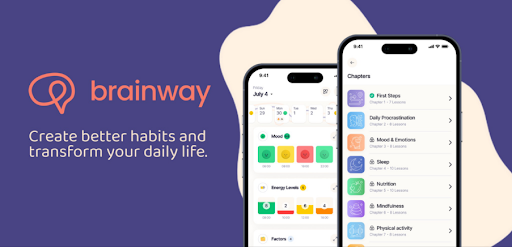
Making brain health supplements work requires developing a routine that supports consistent use over time. Create an adherence plan by choosing a specific time for taking supplements, such as with breakfast or dinner. Store them in a convenient place where they are easy to remember. A pill organizer or phone reminder can help maintain consistency each day. Track your supplement use and note changes in:
-
Memory
-
Focus
-
Mood
-
Sleep
-
Energy
-
Stress levels
-
Daily productivity
Reviewing these changes over time can help you understand how your routine affects your overall well-being. A simple record also makes it easier to notice patterns and share useful details with your healthcare provider. Regular tracking can help you adjust your plan based on your personal needs and goals.
What to Know About Supplements That Support Brain Health
Brain health affects memory, learning, and decision-making throughout every stage of life. Knowing how supplements work can help you choose products with realistic expectations and safer habits.
Some nutrients support normal brain function, but results can vary between individuals. Understanding the evidence, proper use, and possible risks helps you build a supplement plan that fits your health goals.
Realities of Brain Health Supplements
Brain-health supplements can support normal brain function by providing nutrients the body needs. Their benefits often depend on:
-
Age
-
Diet
-
Overall health
-
Existing nutrient levels
-
Supplement quality
Some ingredients have stronger research than others, making it important to look beyond marketing claims. Scientific evidence can help you understand which supplements may offer real support.
Supplements can support healthy brain aging, but they cannot replace medical care or healthy daily habits. Regular exercise, quality sleep, and mental activity all play important roles in maintaining long-term brain health.
Standard Supplement Safety Guidelines
Choosing safe supplements starts with buying products from trusted manufacturers that follow quality standards. Independent testing can provide extra confidence that labels match the ingredients inside each product. Reading labels also helps you avoid taking the same nutrient from several supplements.
Speaking with a healthcare provider before starting a new supplement can help identify possible risks based on your medical history. Extra care becomes important for people with chronic conditions or those taking prescription medicines.
Optimal Dosing and Timing
Taking supplements at the same time each day can help build a consistent routine. Some nutrients absorb better with meals, especially foods that contain healthy fats. Following the recommended serving size can lower the risk of unwanted side effects.
Keeping a simple journal can help you track memory, mood, and energy over several weeks. Small changes often become easier to notice when progress is recorded consistently.
Red Flags and Interactions
Natural supplements can still interact with prescription medicines, over-the-counter drugs, and other supplements. Some combinations may increase bleeding risk or affect blood pressure, blood sugar, or heart rhythm. Watch out for warning signs such as:
-
Ongoing stomach upset
-
Dizziness
-
Allergic reactions
-
Unusual bruising
-
Changes in heart rate
These signs can indicate that a supplement may not work well with your body or other medications. Sharing a complete list of supplements with your doctor and pharmacist can help reduce possible risks. Regular reviews also help keep your supplement plan safe as your health needs change.
Support Long-Term Brain Health With Smart Supplement Choices
Brain-health supplements can support cognitive wellness when used with realistic expectations and safe practices. Understanding supplement benefits, proper dosing, and possible interactions can help you create a healthier routine. Combining supplements with good nutrition, exercise, sleep, and mental activity can provide better support for long-term brain health.

Reviewed by