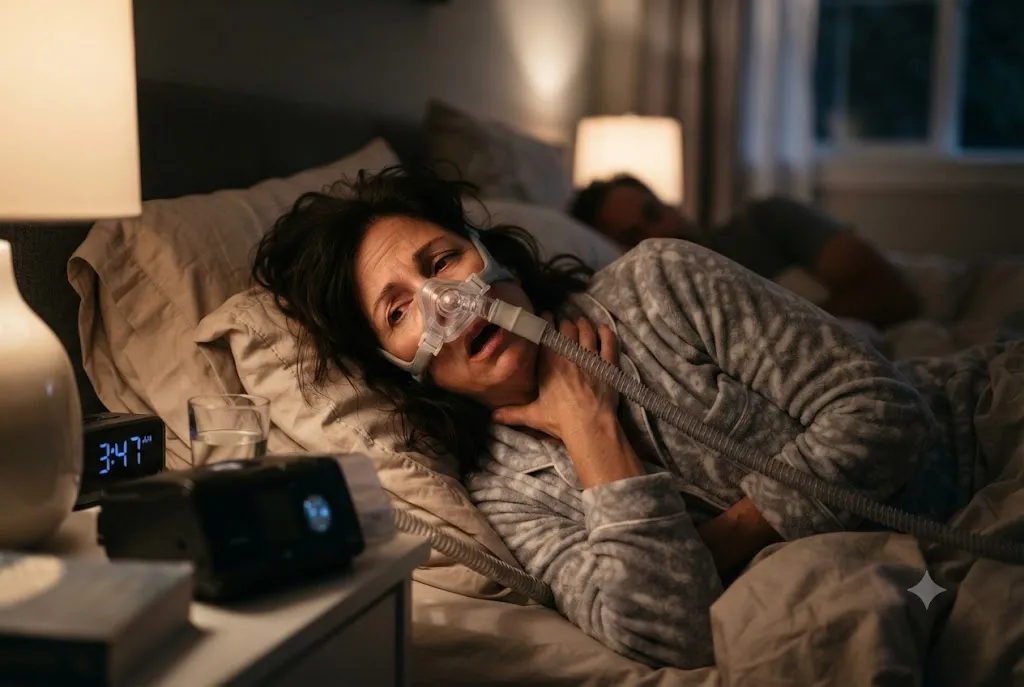
A full night in bed does not always mean a person is getting restorative sleep. People who snore loudly, wake up gasping, or feel unusually tired throughout the day may be experiencing obstructive sleep apnea (OSA). This condition causes repeated interruptions in breathing during sleep and can affect concentration, daily functioning, and long-term health.
As awareness of sleep health grows, more people are exploring treatment options such as continuous positive airway pressure (CPAP), oral appliance therapy, and lifestyle adjustments. The right approach depends on the individual's condition, medical history, and treatment needs.
For people researching sleep apnea treatment in Portland, understanding the available therapies—and the roles of medical and dental professionals—can help them make informed decisions about their care.
What Is Obstructive Sleep Apnea?
Obstructive sleep apnea occurs when the muscles and soft tissues in the upper airway relax during sleep, narrowing or temporarily blocking the passage of air. These breathing disruptions may occur multiple times throughout the night, even when the affected person does not remember waking up.
Common signs and symptoms include:
Loud, persistent snoring
Breathing pauses noticed by a sleeping partner
Waking suddenly with a sensation of choking or difficulty breathing
Morning headaches or a dry mouth
Difficulty concentrating during the day
Excessive daytime sleepiness despite spending enough time in bed
Not everyone with sleep apnea experiences the same symptoms. Some people mainly notice fatigue, while others learn about their nighttime breathing problems through observations made by a partner.
Untreated OSA is associated with health concerns that can include high blood pressure and cardiovascular complications. Persistent loud snoring also deserves attention, particularly when accompanied by breathing pauses, morning headaches, or daytime fatigue.
People searching for snoring treatment in Portland should understand that snoring can have several causes. A healthcare professional can assess the symptoms and determine whether further evaluation for sleep apnea or another sleep-related breathing disorder is appropriate.
Why Sleep Apnea Treatment Requires an Individualized Approach
There is no single treatment that works equally well for everyone with sleep apnea. The most appropriate option depends on the severity of the condition, airway anatomy, other health concerns, personal preferences, and tolerance of available therapies.
A physician or qualified sleep specialist evaluates symptoms and arranges appropriate testing to establish the diagnosis. Depending on the situation, a sleep study may be conducted in a laboratory or at home to determine whether sleep apnea is present and assess its severity.
Once the diagnosis is established, the healthcare team can discuss suitable treatment options. These may include CPAP therapy, a custom oral appliance, or other interventions when clinically appropriate.
An individualized approach is important because a reduction in snoring does not necessarily mean that breathing interruptions have been adequately controlled. Follow-up appointments and appropriate sleep testing can help determine whether a treatment is working effectively.
How Positive Airway Pressure Helps You Breathe Better at Night
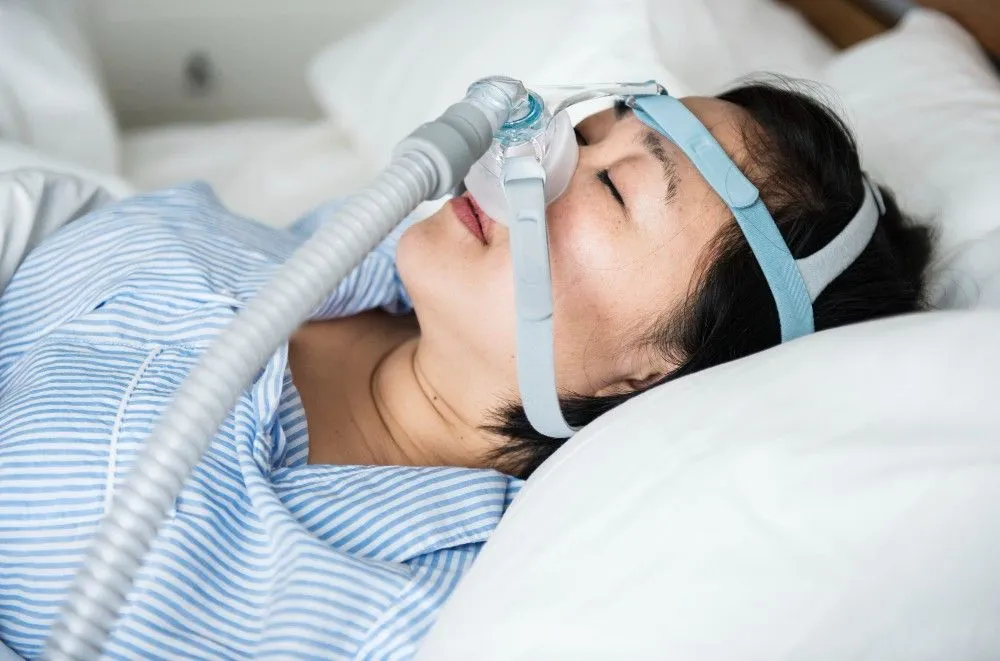
Continuous positive airway pressure, commonly known as CPAP, is a well-established treatment for obstructive sleep apnea. The device delivers pressurized air through a mask, helping keep the upper airway open during sleep.
For many people, CPAP can reduce breathing interruptions and improve sleep quality when used consistently and correctly.
However, adjusting to the equipment can take time. Some patients experience mask discomfort, nasal dryness, air leaks, or difficulty getting used to the sensation of airflow. Different mask styles, humidification, equipment adjustments, and professional support may help address these challenges.
People who struggle with CPAP should speak with their healthcare provider before discontinuing treatment. A clinician can review the difficulties a patient is experiencing and recommend equipment modifications or another clinically appropriate management option.
For people exploring CPAP therapy for sleep apnea, discussing comfort concerns and treatment effectiveness with a healthcare professional can help identify practical ways to improve treatment adherence.
How Dental Oral Appliances May Help
Dental sleep medicine is an important part of the broader conversation about obstructive sleep apnea treatment. For selected individuals, a dentist-fitted oral device may help reduce airway narrowing during sleep.
One commonly used option is a mandibular advancement device. It fits over the teeth and holds the lower jaw in a forward position, which can help limit upper-airway obstruction in suitable patients.
Oral appliance therapy may be considered for some adults with mild to moderate OSA and for certain patients who cannot tolerate CPAP or prefer an alternative after discussing the available options with their healthcare team.
Before recommending an oral sleep device, the dental provider considers the condition of the teeth and gums, jaw movement, and any issues that could affect comfortable use. The patient's sleep study results and overall treatment needs must also be considered in coordination with the physician managing the sleep apnea.
This evaluation helps establish whether oral appliance therapy is a reasonable option and what monitoring may be required.
Custom oral appliances require follow-up care. Dental professionals monitor fit, comfort, bite changes, and other potential side effects. Follow-up sleep testing may be needed to confirm that the treatment is effectively controlling the condition.
An oral appliance is not a universal replacement for CPAP. People with more severe disease or particular medical needs may require other treatment strategies. A physician and appropriately trained dentist can help determine whether this approach is suitable.
The Importance of Physician–Dentist Collaboration
One of the most important aspects of sleep apnea care is recognizing that medical and dental professionals have different but complementary roles.
A physician or qualified sleep specialist is responsible for diagnosing sleep apnea and evaluating its severity. Dentists can contribute by assessing oral health, identifying dental considerations relevant to treatment, and providing appropriate oral appliance therapy when indicated.
For example, a patient who has already received an OSA diagnosis may want to explore an oral appliance because they have difficulty tolerating CPAP. Their physician and dentist can work together to assess whether this option is appropriate and establish a plan for monitoring treatment effectiveness.
Similarly, a dental appointment may provide an opportunity to discuss symptoms such as persistent snoring, reported breathing pauses, or daytime sleepiness. A dentist who recognizes possible warning signs can recommend medical evaluation rather than attempting to diagnose sleep apnea independently.
This collaborative approach helps ensure that treatment decisions are based on medical assessment, dental suitability, and follow-up results.
For people researching a sleep apnea dentist in Portland, it can be helpful to ask about the provider's experience with oral appliance therapy, the coordination of care with sleep physicians, and the follow-up process used to evaluate treatment outcomes.
Lifestyle Changes That May Support Treatment
Although lifestyle changes do not replace necessary medical treatment, certain habits may support sleep health and complement a clinician-recommended management plan.
Potentially helpful measures include:
Maintaining a consistent sleep schedule: Going to bed and waking up at similar times can support regular sleep patterns.
Discussing weight management when appropriate: For some people, weight reduction may improve OSA severity, although sleep apnea also affects people who are not overweight.
Limiting alcohol near bedtime: Alcohol can relax the muscles that help maintain an open airway and may worsen breathing problems during sleep.
Reviewing medications with a clinician: Certain medicines can affect breathing or alertness. Patients should discuss concerns with their healthcare provider rather than changing prescribed medications themselves.
Considering sleep position: Some people experience more breathing interruptions when sleeping on their backs. A clinician can advise whether positional strategies are appropriate.
These measures may form part of a broader sleep health plan, but they should not be considered substitutes for CPAP, oral appliance therapy, or other indicated treatments.
People seeking treatment for loud snoring should also remember that lifestyle adjustments alone may not address the underlying cause, particularly when obstructive sleep apnea is present.
Finding Appropriate Sleep Apnea Care in Portland
People researching sleep apnea treatment in Portland can begin by speaking with a primary care physician or sleep specialist about persistent symptoms and appropriate testing. Once a diagnosis has been established, patients can discuss treatment options and whether referral to a dentist with relevant sleep medicine training would be beneficial.
For individuals concerned about disruptive snoring, the appropriate next step depends on its underlying cause. A healthcare professional can determine whether additional testing is needed before recommending a suitable approach.
When considering dental treatment, it is useful to ask questions such as:
Does my diagnosis and sleep study support the use of an oral appliance?
What are the potential benefits and limitations compared with CPAP?
Could an oral appliance help manage my diagnosed sleep apnea or snoring?
How will the effectiveness of treatment be evaluated?
What follow-up appointments or sleep testing will I need?
How will my physician and dental provider coordinate my care?
Patients looking for information about sleep apnea treatment in Portland can also explore dental considerations and the role of oral appliance therapy as part of a coordinated treatment plan.
The goal is not simply to find a device that feels comfortable. It is to identify a suitable treatment, use it consistently, and confirm that it is helping manage the condition safely and effectively.
Take a More Informed Approach to Better Sleep
Obstructive sleep apnea is a manageable medical condition, but effective care starts with recognizing symptoms and obtaining an appropriate evaluation. CPAP remains an important treatment option, while custom oral appliances can offer another evidence-based approach for selected patients.
Lifestyle measures and regular follow-up may also contribute to a comprehensive plan. By understanding the available therapies and encouraging collaboration between physicians and dental professionals, patients can make more informed decisions about their sleep health.
For anyone experiencing loud snoring, interrupted breathing, or persistent daytime fatigue, seeking professional advice is a practical first step. With the right evaluation and an individualized treatment plan, better-managed sleep apnea may support improved sleep quality, daytime alertness, and overall well-being.

Reviewed by