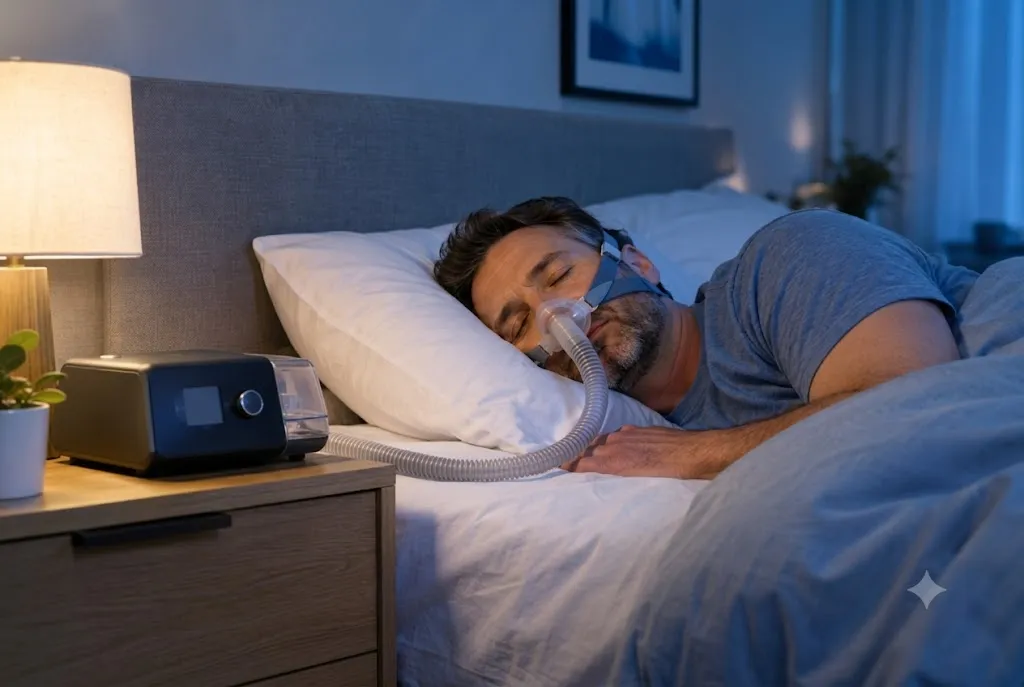
Sleep is essential for physical health, mental well-being, and the body's ability to recover. During sleep, the brain and body carry out important processes that support memory, immune function, emotional regulation, and normal metabolism.
However, sleep is not simply a period when the body switches off. Breathing, heart rate, brain activity, and other physiological functions continue to change throughout the night. When these processes are disrupted, sleep quality and overall health can suffer.
Understanding the relationship between sleep and respiratory health can help people recognize warning signs, seek appropriate evaluation, and address problems before they become more serious.
Why Is Sleep Important for Overall Health?
Healthy sleep supports several essential functions. It helps the brain process information, consolidate memories, regulate emotions, and maintain attention. It also contributes to immune function and the regulation of hormones involved in appetite and metabolism.
Insufficient or consistently disrupted sleep can affect concentration, mood, reaction time, and daily functioning. Over time, chronic sleep problems may also be associated with a greater risk of several health conditions.
The amount of sleep a person needs varies with age and individual circumstances, but most adults generally need at least seven hours of sleep each night.
What Happens to Breathing During Sleep?
Breathing continues automatically during sleep, but the body's respiratory control changes as a person moves through different sleep stages.
Muscle activity decreases during sleep, and the brain responds differently to changes in oxygen and carbon dioxide levels. These normal changes can make certain people more vulnerable to breathing disturbances, particularly if they already have an underlying respiratory or sleep-related condition.
Common Sleep-Related Breathing Disorders
Several conditions can interfere with normal breathing during sleep. Some may go unnoticed for years because the person experiencing them is not fully aware of what happens during the night.
Obstructive Sleep Apnea
Obstructive sleep apnea (OSA) occurs when the upper airway repeatedly becomes partially or completely blocked during sleep. These interruptions can reduce oxygen levels and briefly disturb sleep.
Common symptoms include loud snoring, gasping or choking during sleep, witnessed pauses in breathing, morning headaches, and excessive daytime sleepiness.
Not everyone who snores has sleep apnea, but persistent loud snoring combined with other symptoms deserves medical attention.
Central Sleep Apnea
Central sleep apnea (CSA) occurs when the brain temporarily fails to send the appropriate signals to the muscles responsible for breathing.
Unlike obstructive sleep apnea, which involves a physical blockage of the airway, central sleep apnea involves a problem with respiratory control.
It can occur in association with certain medical conditions, some medications, and opioid use.
Sleep-Related Hypoventilation
Sleep-related hypoventilation occurs when breathing becomes too shallow or too slow to maintain normal ventilation during sleep. This can lead to an increase in carbon dioxide levels in the blood.
The condition may be associated with underlying respiratory or neuromuscular conditions, obesity-related breathing problems, or medications that suppress respiratory drive.
How Opioids Can Affect Sleep and Breathing
Opioids are medications used to treat pain, but they can also affect the central nervous system's control of breathing. These effects may continue during sleep, when normal respiratory regulation is already changing.
Chronic opioid therapy has been associated with sleep-related hypoventilation, central sleep apnea, and obstructive sleep apnea. Opioids may also alter sleep architecture, affect sleep quality, and contribute to daytime sleepiness.
Dr. K. T. Mohan, Chairman of Ashraya Hospital Wakad, explains "Sleep and respiratory health are closely connected. Certain medications, including opioids, can interfere with normal breathing patterns during sleep. When patients experience persistent sleep disruption, unusual daytime fatigue, or breathing-related symptoms, these concerns should be evaluated rather than ignored."
People taking long-term opioid medication should discuss sleep-related symptoms with their healthcare providers. They should not stop prescribed medication suddenly without medical advice.
How Sleep Problems Affect Daily Life
Poor sleep can affect far more than energy levels. People who regularly experience disrupted sleep may notice:
-
Difficulty concentrating or remembering information.
-
Irritability and changes in mood.
-
Reduced productivity.
-
Slower reaction times.
-
Increased daytime fatigue.
-
Difficulty managing everyday responsibilities.
When sleep disturbances are caused by an underlying condition, simply spending more time in bed may not resolve the problem. Identifying the cause is an important part of effective treatment.
Recognizing the Signs of a Sleep Problem
Some sleep-related symptoms are easy to overlook, particularly when they develop gradually.
Common warning signs include:
-
Regular loud snoring.
-
Waking up gasping or choking.
-
Someone noticing repeated pauses in breathing.
-
Persistent daytime sleepiness.
-
Morning headaches.
-
Difficulty staying asleep.
-
Waking up feeling unrefreshed despite spending enough time in bed.
These symptoms do not automatically confirm a sleep disorder. However, recurring symptoms should be discussed with a healthcare professional.
How Are Sleep Disorders Diagnosed?
A healthcare professional may begin by reviewing a person's medical history, sleep habits, medications, and symptoms. They may also ask a bed partner or family member about snoring, unusual movements, or pauses in breathing during sleep.
Depending on the symptoms, a sleep study may be recommended.
A polysomnography test, commonly known as an overnight sleep study, can monitor brain activity, breathing, oxygen levels, heart rate, and other functions during sleep. In some circumstances, a home sleep apnea test may be appropriate.
The type of testing depends on the suspected condition and the person's overall health.
Practical Ways to Support Better Sleep
Healthy sleep habits can improve sleep quality, although they cannot replace medical treatment when an underlying sleep disorder is present.
Helpful habits include:
-
Maintain a consistent bedtime and waking time.
-
Create a quiet, dark, and comfortable sleeping environment.
-
Reduce caffeine intake later in the day.
-
Avoid heavy meals close to bedtime.
-
Limit stimulating activities and bright screens before sleeping.
-
Include regular physical activity in your routine.
-
Avoid using alcohol as a sleep aid.
-
Discuss medications that may affect sleep or breathing with a healthcare professional.
People with persistent insomnia or symptoms of sleep-disordered breathing may need a more targeted evaluation and treatment plan.
When Should You Seek Medical Advice?
Occasional poor sleep can happen to anyone. Persistent sleep disruption, however, deserves attention, especially when it affects daily functioning or occurs alongside breathing difficulties.
Seek medical advice if you regularly snore loudly, wake up gasping, experience unexplained daytime sleepiness, or have been told that your breathing stops during sleep.
If someone is difficult to wake or has slow, shallow, or stopped breathing after taking opioids, treat it as a possible overdose and seek emergency assistance immediately.
Making Sleep Health a Priority
Healthy sleep depends on more than the number of hours spent in bed. It also involves the quality of sleep, normal breathing, and the body's ability to move through its natural sleep stages without repeated disruption.
Rab Nawaz, MD emphasizes the importance of recognizing the broader health effects of sleep problems "Sleep should be considered an important part of overall health, not simply a break from daily activities. Persistent sleep difficulties can affect physical functioning, mental well-being, and quality of life. Recognizing symptoms early and seeking appropriate professional guidance can make a meaningful difference."
Understanding sleep and respiratory health allows people to recognize potential problems and take informed steps toward better rest. When symptoms persist, professional assessment can help identify the cause and guide appropriate treatment.

Reviewed by