People often think of surgery as the only way out of back pain caused by a slipped disc, but the majority of people with a herniated disc can see significant improvement within 6 weeks.
This article explains why slipped disc surgery is and isn't suitable.
Why Doctors Start With Conservative Care
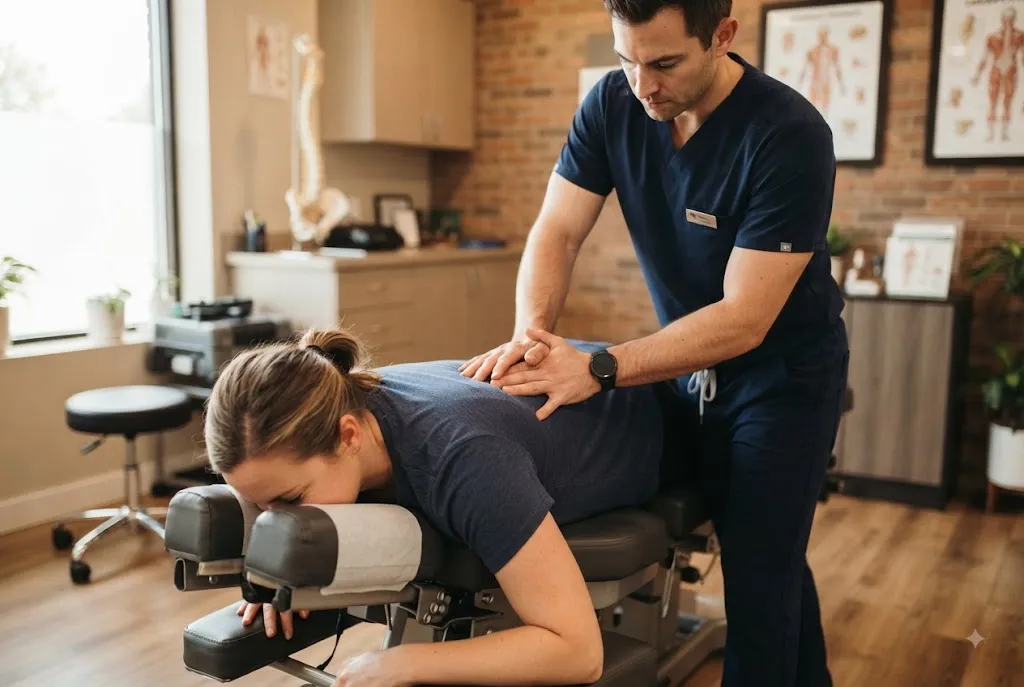
Most disc herniations respond to non-surgical treatment, so doctors generally prefer to try treatments categorised as conservative care for around 6-12 weeks before they'll consider surgical intervention. Conservative care practices include the following: physical therapy, anti-inflammatory medication, activity modification, and in some cases, epidural steroid intervention.
If the pain is severe from the outset, the doctor may be prepared to bring in a surgeon sooner. Likewise, when follow-up imaging shows the herniation is getting worse rather than improving, the doctor may also accelerate the surgical option.
Bulging Disc vs True Herniation
Not every disc finding on an MRThere are two types of disc problems: a bulging disc vs. herniated disc.I indicates the same condition. The first is where the disc extends slightly beyond its normal position, and a true herniation, which involves a tear in the outer ring. The latter can cause the inner nucleus pulposus to push outward towards the nerve root, possibly leading to a compressed nerve and severe pain. Bulging discs are less likely to cause such issues, so distinguishing between the two is crucial.
Why an MRI Finding Alone Isn't Enough
Disc bulges and herniations can appear on scans of people without any pain or back issues. Therefore, discovering one doesn't necessarily indicate the root of the problem. Surgeons need to confirm that the disc issue aligns with the nerve distribution responsible for the patient's pain or numbness. This step is crucial to avoid performing a risky operation that might not yield results or could worsen the symptoms.
What Non-Surgical Treatment Actually Feels Like Week to Week
So what's it actually like going through the conservative care route instead of getting surgery? Here's the honest breakdown describing each stage of the typical conservative care experience:
-
Weeks 1-2: This is usually the worst of it. Pain and inflammation are at their peak, so the focus is calming things down, not fixing them.
-
Weeks 3-6: Physical therapy starts doing real work here. Core stability, nerve gliding exercises, and gradual movement all help take pressure off the disc.
-
Weeks 6-12: Most people who are going to improve without surgery
-
start noticing it by now. If pain and numbness haven't subsided at all by this point, it's time to review your surgical options.
It takes time to see results, but in some cases, surgery might be the better option. Recovery can often be gradual, with pain gradually becoming less intense and everyday movement feeling easier. Symptoms may improve over several weeks, although the pace varies from person to person. Regular follow-up with your healthcare provider helps monitor progress, adjust your treatment plan when needed, and identify if a different approach becomes appropriate.
When Surgery Actually Becomes the Right Call
If conservative care doesn't cut it, the next step is surgery. Here's what those going down this route will experience:
-
Loss of bladder or bowel control: This is treated as an emergency, not a wait-and-see situation
-
No improvement: If there’s no improvement during the 6-12 week window, surgery could be the right call.
-
Pain so severe: Pain that’s not manageable even with medication and rest could necessitate surgery.
Surgeons usually offer a few different approaches depending on the size and location of the herniation, ranging from minimally invasive microdiscectomy to more involved procedures. The goal in every case is to take pressure off the nerve root causing the symptoms.
Questions Worth Asking Before You Agree to Surgery
If a surgeon does recommend an operation, it's worth going in prepared. A few things worth asking:
-
Does my MRI finding actually match where I'm feeling pain or numbness?
-
What happens if I wait another few weeks before deciding?
-
What's the success rate for my specific type of herniation?
-
What does recovery look like, and how soon can I get back to normal activity?
-
Are there less invasive options I haven't tried yet?
A good surgeon won't rush you and will always respect your right to a second opinion. If you're going into surgery, you should be able to feel comfortable with that decision.
Slipped Disc Recovery
Most slipped discs heal on their own within 6 to 12 weeks using therapy and medication. Surgery is rarely needed unless you face progressive weakness, loss of bowel or bladder control, or zero relief after months of conservative care. Never rush into an operation just because of an MRI scan, as the findings must perfectly match your actual physical symptoms. Take your time, try non-invasive options first, and ask questions.

Reviewed by