Growth hormone remains important after a person stops growing. In adults, it helps regulate body composition, metabolism, muscle tissue, and bone health. When the pituitary gland does not produce enough, some people may develop adult growth hormone deficiency and be considered for medically supervised replacement therapy. Treatment is intended for a confirmed medical condition, not routine anti-aging, bodybuilding, or fitness enhancement. Knowing who may qualify, how therapy works, and how it is monitored can help patients approach treatment with realistic expectations.
What Is Growth Hormone Therapy for Adults?
Human growth hormone (HGH) is produced by the pituitary gland and influences fat and protein metabolism as well as the maintenance of muscle and bone tissue. Human growth hormone replacement therapy uses laboratory-made growth hormone, usually recombinant human growth hormone called somatropin, to replace what the body is not producing adequately.
Prescription growth hormone treatment is used for specific medical indications. It differs from nonmedical HGH use promoted for anti-aging or performance enhancement, which is not an accepted reason to prescribe growth hormone to otherwise healthy adults.
Who May Need Growth Hormone Therapy?
Adults With Diagnosed Growth Hormone Deficiency
Growth hormone therapy may be considered for adults with confirmed deficiency. The condition can persist from childhood or develop later because of disorders affecting the pituitary or hypothalamus. Causes include pituitary tumors or other structural disease, pituitary surgery, and radiation treatment involving the brain or pituitary region.
Possible symptoms include reduced energy, lower exercise capacity, increased body fat, reduced lean mass, or changes in well-being. These problems are not specific to growth hormone deficiency and may occur with many other conditions or normal aging.
How Doctors Confirm Growth Hormone Deficiency
Evaluation usually includes medical history, examination, and assessment of other pituitary hormones. An IGF-1 blood test can provide useful information because insulin-like growth factor 1 reflects growth hormone activity, but a single result does not confirm or exclude deficiency in every adult.
A single random growth hormone measurement is generally not useful because secretion occurs in pulses, so a low reading may simply reflect when the sample was taken.
Most adults with suspected deficiency require a growth hormone stimulation test. An endocrinologist interprets the findings alongside medical history and risk factors. Fatigue, body-composition changes, or aging alone do not establish a diagnosis.
How Does Growth Hormone Replacement Therapy Work?
Prescription Growth Hormone Injections
Somatropin replaces growth hormone that the body is not producing adequately. It is commonly delivered by subcutaneous injection, meaning the medication is injected into fatty tissue beneath the skin. Patients or caregivers are taught how to use the prescribed device safely.
Traditional somatropin injections are generally taken daily, while longer-acting formulations can be given less frequently, including weekly options for adults. Medication choice and dose adjustments depend on factors such as age, diagnosis, response, side effects, and laboratory results rather than a one-size-fits-all schedule.
Treatment Options and Injection Devices
Growth hormone replacement is available through prescription injection products and delivery systems designed for home use. Daily somatropin products include Norditropin, while longer-acting formulations may be suitable for some adults.
An endocrinologist chooses treatment based on the confirmed diagnosis, relevant health conditions, response, and monitoring results. Device convenience can matter, but clinical suitability and safe dose adjustment remain the priorities.
What Benefits Can Adults Expect From Growth Hormone Therapy?
Body Composition and Muscle Health
In adults with confirmed growth hormone deficiency, replacement therapy can improve body composition. Evidence shows that treatment may reduce fat mass and increase lean body mass, particularly in people with more severe deficiency. These changes develop gradually and vary among individuals.
Growth hormone therapy is not a shortcut for weight loss or athletic performance. Increased lean mass does not guarantee a specific improvement in muscle strength, and physical activity, nutrition, sleep, and management of other health conditions still matter.
Bone Health and Quality of Life
Growth hormone also contributes to skeletal health. Appropriate replacement may support bone remodeling and bone mineral density over time, although bone-related changes can take longer to appear than some metabolic effects.
Some adults with deficiency experience improvements in physical functioning or quality of life. The degree of benefit depends on factors including the severity of deficiency, age, other medical conditions, and treatment response.
What Happens During the First Few Months of Treatment?
Treatment usually begins with an individualized starting dose. Patients receive instruction on injection technique, storage, and use of the prescribed device. Follow-up visits allow the clinician to review symptoms, side effects, and laboratory results.
During the first few months, the dose may be adjusted gradually. IGF-1 testing is commonly used alongside clinical response to guide treatment. Some changes in well-being or body composition may take months to become noticeable, while bone effects can take longer.
Do not change the dose or routine treatment schedule without guidance from the prescribing clinician. Follow the product’s instructions for serious reactions, and contact the treating team about unexpected symptoms or injection problems.
What Are the Possible Side Effects and Risks?
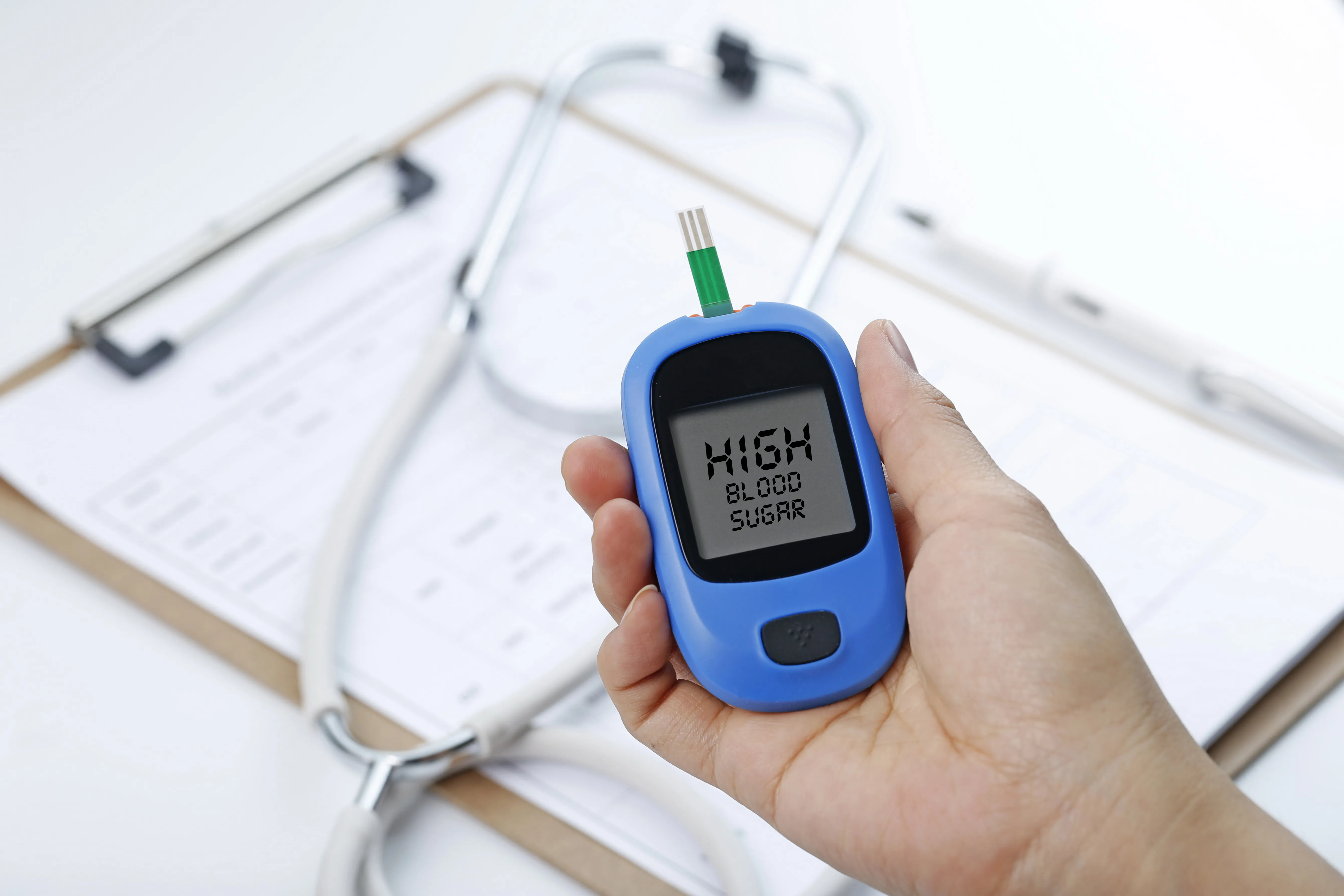
Growth hormone treatment side effects can include fluid retention, swelling, joint or muscle discomfort, headache, and injection-site reactions. Growth hormone can also reduce insulin sensitivity, so blood glucose should be monitored periodically, with closer attention to people with diabetes or risk factors for it.
Therapy is not appropriate for everyone. Current prescribing information lists active malignancy, certain acute critical illnesses, and active proliferative or severe non-proliferative diabetic retinopathy as contraindications. Other safety concerns depend on the patient's history and the specific product used. Patients should report concerning symptoms and review their complete medical history with an endocrinologist before and during treatment.
Contact the treating clinician promptly about a new or persistent headache, especially with vision changes, nausea, or vomiting. Seek emergency care for trouble breathing or swelling of the face, lips, or tongue.
How Do Doctors Monitor Growth Hormone Therapy?
Growth hormone therapy monitoring combines laboratory testing with clinical follow-up. Doctors commonly measure IGF-1 to assess whether the treatment effect is within an appropriate range for the individual. They also review symptoms, treatment response, and possible side effects.
For weekly formulations, the timing of the IGF-1 blood sample relative to the injection matters. Patients should follow the testing schedule specified for their prescribed product.
Monitoring also includes periodic blood glucose testing and assessment of thyroid and adrenal function, since growth hormone treatment can reveal or alter other hormone deficiencies and their replacement needs. Because response and tolerance vary, treatment may need adjustment over time. Regular endocrinology follow-up helps keep therapy aligned with clinical goals while limiting avoidable adverse effects.
Questions to Ask Your Endocrinologist Before Starting Treatment
Before beginning therapy, consider asking:
-
How was my growth hormone deficiency confirmed?
-
What benefits are realistic for my diagnosis?
-
Which formulation and injection device are most appropriate for me?
-
What side effects or warning signs should I watch for?
-
How often will I need IGF-1 testing and other follow-up tests?
-
How will we decide whether growth hormone therapy is working?

Reviewed by