Lip pimples can be painful and persistent. Avoid self-treatment mistakes; seek dermatologist care for proper diagnosis, safe treatment options, and prevention of long-term irritation or scarring. |
Why do the most annoying breakouts always show up in the worst spots? A pimple on the lip is not only visible, it’s also painful because the skin there is thin and sensitive. Eating, talking, and even smiling feel uncomfortable when one shows up.
Knowing how to get rid of a pimple on the lip safely matters because the wrong approach, like popping or scrubbing, can make things worse. The good news? There are safe treatments, both at home and in the dermatologist’s office, that help heal faster and prevent more from forming.
How to Get Rid of Pimples on the Lips
A lip blemish doesn’t always mean serious acne, but it deserves proper care. Finding the right pimple on lip treatment depends on whether it’s a mild whitehead or a stubborn bump that won’t go away.
1. Quick At-Home Remedies
Start simple. If the pimple just popped up, natural remedies can calm it before it turns into a problem.
Warm compress: A soft cloth dipped in warm water, held on the lip for a minute, helps open pores. Do this two or three times daily.
Cold compress: Ice wrapped in a thin towel can shrink swelling and redness. A good trick if the pimple is painful.
Aloe vera or honey: Aloe cools irritation. Honey works like an antibacterial shield. Leave raw honey on the lip for 20 minutes before rinsing.
These small steps sound too easy, but they do work. Think of them as the first line of defense in lip pimple home remedies.
2. Over-the-Counter Treatments
Sometimes pimples need stronger active ingredients. That’s where pharmacy products come in handy.
Benzoyl peroxide – Kills acne bacteria fast. Use sparingly; lips are delicate.
Salicylic acid gel – Clears clogged pores by exfoliating inside the follicle. Works well for blackheads or recurring pimples.
Non-comedogenic lip balm – Keeps lips soft without clogging. Heavy wax-based balms often worsen the problem.
Here’s a quick breakdown:
Treatment Type | What It Helps | When To Use | Suitable For |
Warm Compress | Reduces swelling, softens bumps | First 24–48 hours | Early-stage pimple on lip |
Benzoyl Peroxide Dot | Kills bacteria | Inflamed pimple on the upper lip | Red painful pimples |
Salicylic Acid Swab | Clears clogged pores | Blackheads, whiteheads | Acne around the mouth and lips |
Non-Comedogenic Balm | Prevents pore blockage | Daily use | Lip pimple after lipstick use |
Honey + Aloe Mix | Soothes irritation | Any stage | People with sensitive lips |
These are standard steps in lip acne treatment, but always start with small amounts to avoid irritation.
Advanced Dermatologist Techniques You Can Safely Use at Home
Many readers want to know how to treat a lip pimple fast without irritating the mouth area. Dermatologists usually suggest methods that work slowly but safely. Below are deeper expert-style techniques you can use at home without hurting your lips.
1. Warm Water Rolling Technique
This technique uses controlled heat. Take a clean cotton cloth and soak it in warm water. Then gently roll it over the lip line for 20 seconds. This improves blood flow. Many dermatologists prefer this over a hot compress because it spreads heat better and reduces swelling quickly. When done two to three times daily, the bump softens faster.
2. Spot-Dot Method for Benzoyl Peroxide
People often apply benzoyl peroxide like a full cream. That irritates the lip. Instead, place a micro-dot only on the pimple inside the lip line or on the edge of the upper lip. This keeps the active only on the acne spot, not the lip skin.
3. Honey Seal Technique
Raw honey naturally seals the area and reduces bacteria. Spread a very thin layer after cleansing. Honey helps calm redness. When mixed with aloe, the texture becomes lighter and easier to apply to moving lip skin.
4. Cotton-Swab SA Application
Salicylic acid should never touch the inner lip. A cotton swab solves this. Dip the swab in SA gel and tap once on the bump. This opens clogged pores. This also works for lip pimple after shaving or waxing, since those bumps often come from blocked follicles.
5. Non-Comedogenic Lip Routine
Switching to oil-free and fragrance-free lip products is the simplest long-term fix. Many people do not realise that their lip balm causing pimples is the main trigger. When you use a non-comedogenic balm for a month, you see fewer bumps near the lip corner.
After you follow these techniques, healing becomes more predictable and safer. These do not replace medical care, but they reduce the chance of lip cyst vs pimple confusion and avoid risky methods like popping or squeezing.
Professional Treatment Options
Sometimes the bump sticks around. That’s when self-care hits its limit.
Dermatologists often use:
Prescription creams like retinoids or antibiotic gels for breakouts that keep coming back.
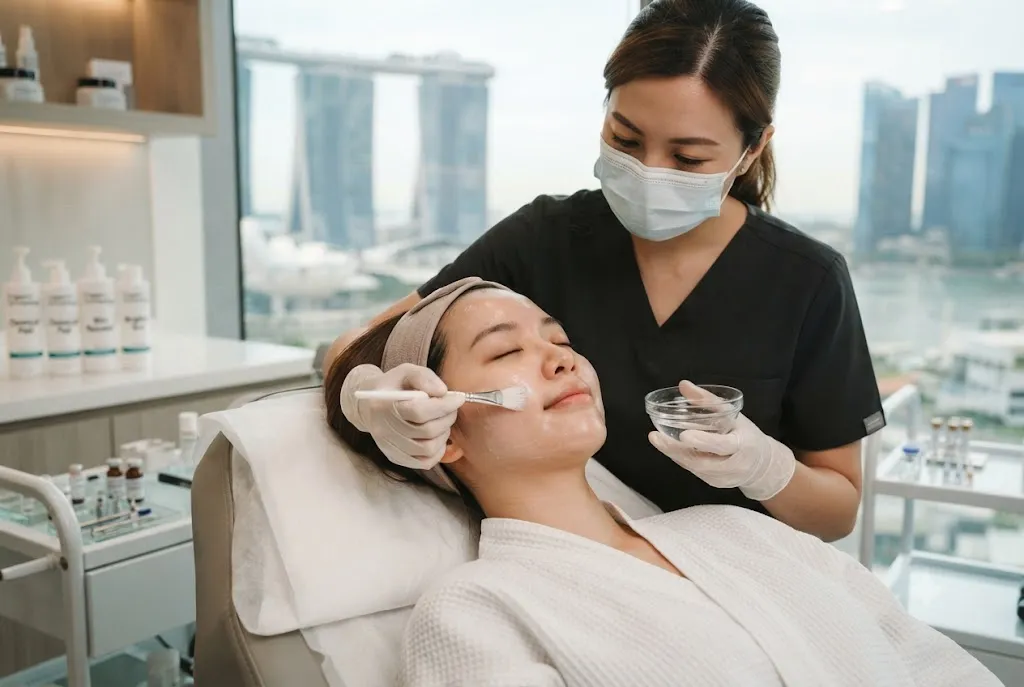
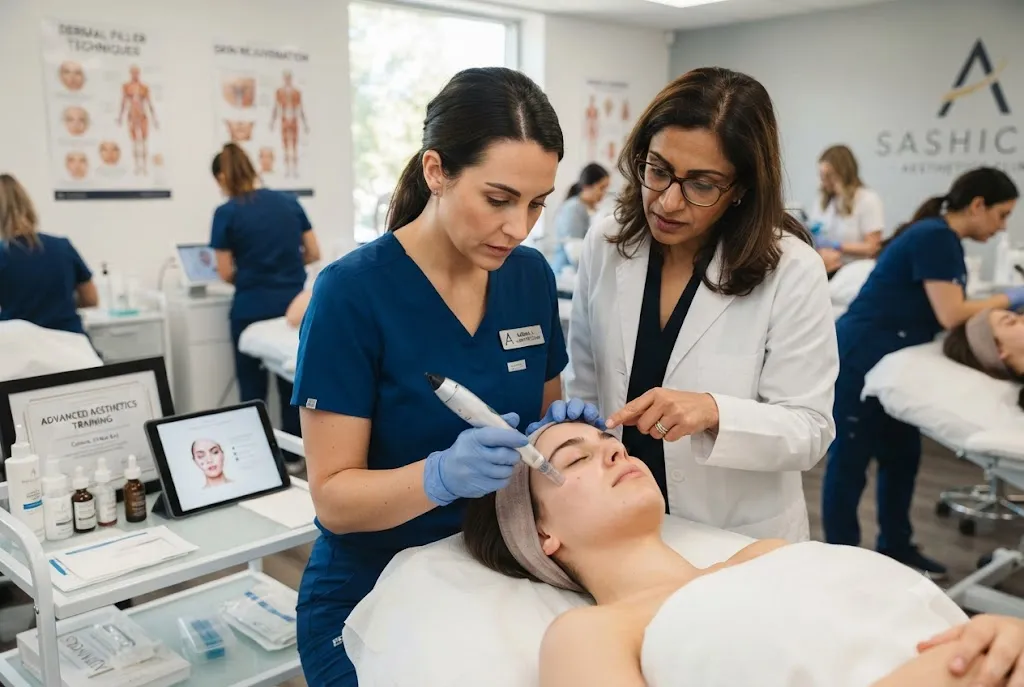
In-office treatments, such as light therapy or chemical peels, are used for long-term control.
If a lip pimple that won’t go away keeps bothering you, an expert visit is worth it.
Expert Breakdown on Lip Pimple Causes
A lip blemish usually follows a pattern. The skin here stays thin, the pores stay tight, and even small irritation turns into a pimple on the lip. Because the area moves while eating and talking, inflammation grows faster. Many people keep getting a pimple on the upper lip or along the lip line due to daily habits.
Studies show acne affects 35% to more than 90% of adolescents, and numbers remain high in adults. Another report shows acne is around 25% higher in young women than in young men, which explains frequent lip breakouts.
Common triggers include:
Wax-heavy lip balms that block pores
Touching or biting lips throughout the day
Phone pressure on the lower lip
Flavoured lipsticks that irritate the skin
Toothpaste reaction in sensitive people
Shaving or waxing cuts around the lip border
When these triggers repeat, acne on the lips or lip irritation becomes common. Understanding these helps make lip pimple treatment far easier.
Prevention: How to Stop Pimples from Appearing on the Lip
Prevention is less stressful than treating breakouts over and over. Small tweaks in daily care lower the risk of flare-ups.
1. Gentle Cleansing & Exfoliation
Wash your face twice daily with a mild cleanser. Exfoliate gently once or twice a week; too much scrubbing inflames the lip area instead of helping.
2. Use Non-Comedogenic Lip Products
Heavy balms, glosses, or flavored lipsticks can clog pores. Switching to non-comedogenic products helps reduce buildup.
3. Avoid Touching or Squeezing Pimples
It feels tempting, but squeezing almost always makes it worse. Proper lip line pimple removal should only be done by a professional.
4. Healthy Diet & Hydration
No magic food “cures” acne, but water and vitamin C-rich foods (like oranges and spinach) support healing. Six to eight glasses a day is a good baseline.
5. Replace Makeup Tools Regularly
Brushes and sponges collect bacteria fast. Cleaning them weekly and replacing them every few months is one overlooked but effective form of pimple on lip prevention.
Consistent habits become the best long-term lip acne treatment plan.
How to Tell the Difference Between a Lip Pimple and a Cold Sore
One big confusion is whether the bump is acne or herpes. Both look similar at first, but the differences are clear once you know them.
Lip pimple: A single raised bump, sometimes filled with pus. It hurts when pressed, but it isn’t contagious.
Cold sore: Starts with tingling, then clusters of fluid-filled blisters appear. It’s caused by the herpes simplex virus and spreads easily.
Honestly, treating a cold sore with acne cream is pointless, and trying to pop one is dangerous. Knowing lip pimples vs cold sore differences saves time and prevents wrong treatment.
When to See a Dermatologist?
Most lip pimples fade in a few days, sometimes a week. But not all behave that way. If the same spot keeps breaking out again and again, that’s a warning sign. Another red flag is when over-the-counter gels and home tricks don’t seem to make even the smallest difference after weeks of use.
A bump that spreads out, bleeds, or becomes unusually painful is another situation where self-care isn’t enough. At that point, it makes sense to see a dermatologist. They can figure out if it’s really acne, or maybe something else like a cyst or even an infection. Getting it checked early saves you from scars and unnecessary frustration.
Conclusion
Lip pimples are uncomfortable, but they’re not permanent. With the right mix of lip pimple home remedies, over-the-counter gels, and preventive habits, most clear up quickly. And if a pimple on lip treatment doesn’t seem to help, a dermatologist can find out what’s going on. The key? Patience and consistency. Don’t poke, don’t rush, just treat it right.
Frequently Asked Questions
Are lip pimples common in adults?
Yes. Although many think it’s only a teenage issue, breakouts can persist into adulthood. Stress, hormones, and skincare products still influence adult flare-ups.
What is the best cream for lip pimples?
For mild cases, benzoyl peroxide or salicylic acid gels help. Persistent cases may need dermatologist-prescribed creams. Choosing the best cream for lip pimples depends on skin sensitivity.
How to cure pimples on the lips naturally?
Turmeric paste, honey, and aloe vera are safe options. These not only soothe but also fight bacteria gently, making them useful for those avoiding harsh chemicals.
Why does a lip pimple sometimes not go away?
A lip pimple that won’t go away might actually be a cyst, an allergic reaction, or even a cold sore. When one lasts more than two weeks, a dermatologist check is best.
What foods trigger lip pimples?
Spicy foods, fried snacks, sugar, and dairy products can exacerbate inflammation in acne-prone skin. They do not directly cause pimples, but they can aggravate mild breakouts. When someone already has acne around the mouth and lips, consuming these foods can exacerbate the condition.
How long does a lip pimple last?
A normal lip pimple lasts three to seven days. But if someone keeps touching the area or uses harsh products, it stays longer. When the bump is inflamed, it may take 10 days. If the pimple near the lip corner becomes painful or spreads, it might be a cyst.
Can lip balm cause lip pimples?
Yes, thick or wax-heavy balms sometimes clog pores. When the balm melts in the heat, it enters small openings around the lip line. This blocks oil flow. Switching to non-comedogenic balms helps stop new pimples on the upper lip and reduces irritation.
How to remove a pimple on the lip overnight?
Overnight removal is possible only for early-stage mild bumps. Use a warm compress, then apply a benzoyl peroxide dot. Honey can calm redness. But a large zit on the lip will not disappear in one night. It needs steady treatment.
Why do lip pimples return after shaving or waxing?
Shaving and waxing create small cuts. When oil and bacteria enter these cuts, inflammation occurs. This can lead to lip pimples after shaving or waxing. Using a gentle anti-inflammatory gel after hair removal can help prevent repeat flare-ups.

Reviewed by