Some sectors announce their arrival. Indian hair restoration has not. The category has grown quietly over the past decade, without the campaign-led publicity that typically signals a maturing healthcare specialty, yet it has become one of the more interesting case studies in the country's elective-medical landscape. For brand analysts tracking the intersection of healthcare and consumer behaviour in India, the trajectory of this sector is worth a closer read.
The shifts visible here mirror broader patterns across Indian healthcare. A growing middle-class patient base, rising awareness driven by digital platforms, tighter regulatory expectations, and a clear separation between practices that built clinical credibility and those that competed on marketing intensity alone.
What Drove The Demand
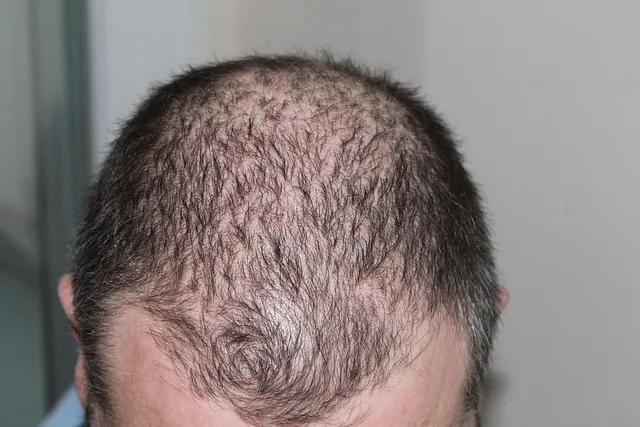
Three forces converged. Urbanisation brought lifestyle changes that accelerated pattern hair loss in younger demographics. Greater awareness, helped by media and social platforms, reduced the stigma that had earlier kept many men from seeking treatment. And rising disposable incomes made elective medical procedures financially viable for a broader patient base.
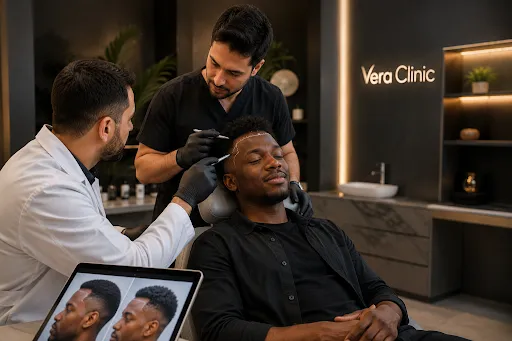
These shifts did not happen evenly. Metropolitan markets moved first. Mumbai, in particular, developed a concentration of clinical expertise that drew patients from across the country and from abroad. A reputable hair transplant clinic in mumbai now serves patients flying in from the Gulf, from East Africa, and from across India for procedures that were available only in a handful of international locations a decade earlier.
The Maturation Of Clinical Practice
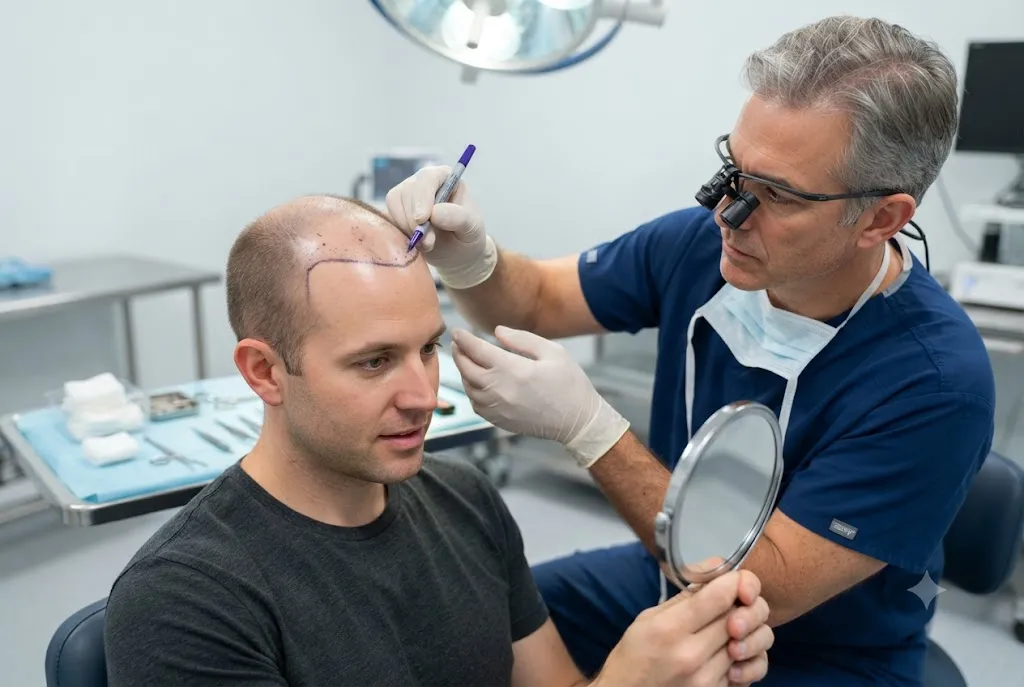
Alongside demand, the supply side changed. Surgical training in follicular unit extraction became more widely available. Clinical protocols standardised. Equipment improved. The earlier model of a single surgeon operating with minimal support gave way to dedicated teams, structured consultation processes, and meaningful investment in patient follow-up over the full twelve-month growth cycle.
This maturation has produced visible quality differentiation. The gap between a casually operated procedure and a fully clinical one has widened, and patients have slowly learned to recognise the difference. The clinics that invested in proper diagnostic infrastructure, surgical planning, and post-procedure care have grown into established names. The clinics that competed only on price have stayed where they started.
Where Brand Credibility Is Being Built
The brands that have grown strongest in the sector have done so by being verifiable rather than aggressive. They publish their surgeons' credentials. They explain their consultation process. They commit, in writing, to a one-year follow-up. They are clear about who actually performs the procedure on the day of surgery. The asymmetry of information between clinic and patient has narrowed, and the practices that adapted to a better-informed audience are the ones whose brand equity has compounded.
Mumbai has produced several practices that exemplify this orientation, with newer entrants such as Kibo Clinics positioned around transparency and clinical seriousness rather than around the volume-marketing model that defined the earlier sector. The brand stance is less about being the loudest. It is about being the most consistent.
The Regulatory Tailwind
Indian medical regulation has been formalising expectations around cosmetic surgical practice, with the National Medical Commission setting clearer standards on who can perform procedures and under what supervision. The established players welcome this trajectory because clear standards reward the practices that were already meeting them and put pressure on those that were not. The category's reputational risk has shifted, in effect, toward the weaker operators.
Expert Tip
For analysts evaluating consumer healthcare brands in emerging markets, the better signal of long-term durability is what the brand declines rather than what it claims. The practices declining unsuitable patients are typically the ones operating to genuine clinical standards.
The Honest Takeaway
India's hair restoration sector grew up while no one was paying attention. The category is now structured, the established clinics are clinically serious, and the brands that built credibility on substance rather than volume are the ones now consolidating share. For a healthcare segment that received little brand-press for most of its first decade, the next phase looks meaningfully different.

Reviewed by