Hair oiling has been around for centuries, yet somehow it keeps getting pushed aside in conversations about modern hair care. People swap it out for serums, heat protectants, and salon treatments — and then wonder why their hair still feels dry or keeps falling. The truth is, oils never stopped working. We just started using them wrong, or stopped using them at all.
What Hair Oil Actually Does to Your Scalp
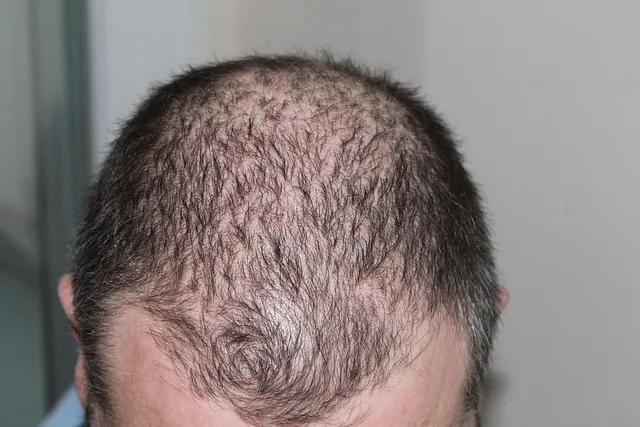
Most people think of hair oil as something that just makes hair shiny or soft. But the real action happens at the scalp level. When you massage oil into your scalp, a few things happen simultaneously. Blood circulation improves, which means more oxygen and nutrients reach the hair follicles. The scalp's natural moisture barrier gets supported, which reduces dryness and flaking. And the act of massaging itself stimulates follicle activity — something most of us skip entirely in our daily routines.
Hair follicles need a healthy environment to produce strong strands. When the scalp is dry, inflamed, or clogged with product buildup, follicles don't function well. Oil, used correctly, helps maintain that environment without disrupting the scalp's pH or natural oil production.
Why Oils Fell Out of Fashion (And Why That's a Problem)
Somewhere in the last two decades, oiling got labeled as outdated. Social media pushed lighter, faster routines. Dry shampoos, leave-in conditioners, and hair masks took center stage. And while those products have their place, they mostly address the hair strand — not the scalp.
This is a real gap. The scalp is skin, and like all skin, it needs consistent care. When we skip oiling entirely, we often end up with:
-
A scalp that over-produces sebum because it's trying to compensate for dryness
-
Brittle ends that break easily because the hair shaft lacks internal moisture
-
Increased sensitivity to heat styling because the hair has no protective baseline
None of these is a problem a conditioner alone can fully fix.
Not All Oils Are Equal
This is where people often go wrong. Not every oil suits every scalp type, and layering too many oils together doesn't always help.
For example, coconut oil penetrates the hair shaft well and reduces protein loss, making it useful for thin or chemically treated hair. But it can feel heavy on already oily scalps. Castor oil is thick and nourishing, but needs to be used in small amounts and ideally mixed with a lighter oil. Rosemary oil has been studied for its potential to support hair growth by improving scalp circulation — it's emerging as one of the more science-backed options in this space.
The point is, understanding your hair and scalp type matters before you pick an oil and commit to it.
How to Oil Correctly (Because Technique Matters)
There's a big difference between dumping oil on your scalp and actually oiling it. Here's how to do it in a way that's actually effective:
-
Apply oil in small sections so it reaches the scalp, not just the surface of your hair
-
Use your fingertips to massage in circular motions for at least 5 minutes — this is what drives circulation
-
Leave it on for at least an hour before washing; overnight is better for deeper conditioning
-
Warm the oil slightly before applying — it absorbs more readily into the scalp
-
Avoid piling hair up in a bun right after oiling, as this can cause breakage when dry hair is twisted under tension
These steps sound simple, but most people skip two or three of them and then conclude that oiling "doesn't work for them."
Where Formulated Oils Fit In
Single-ingredient oils are useful, but there's growing interest in oils that combine multiple active ingredients in one formula. This is where brands like Traya have done some thoughtful work. Their Traya hair oil is formulated with ingredients targeting scalp health and hair growth together, rather than just surface shine — which aligns with the idea that hair care should start at the root, not the strand.
Final Thoughts
Hair oiling isn't a trend making a comeback. It's a practice that was quietly effective all along. The science backs it, the history backs it, and most people who've committed to a consistent oiling routine will tell you the same thing — their hair just does better with it.
The key is using the right oil for your scalp type, applying it properly, and being consistent. That's less glamorous than a ten-step product routine, but it's also a lot more honest about what hair actually needs.

Reviewed by