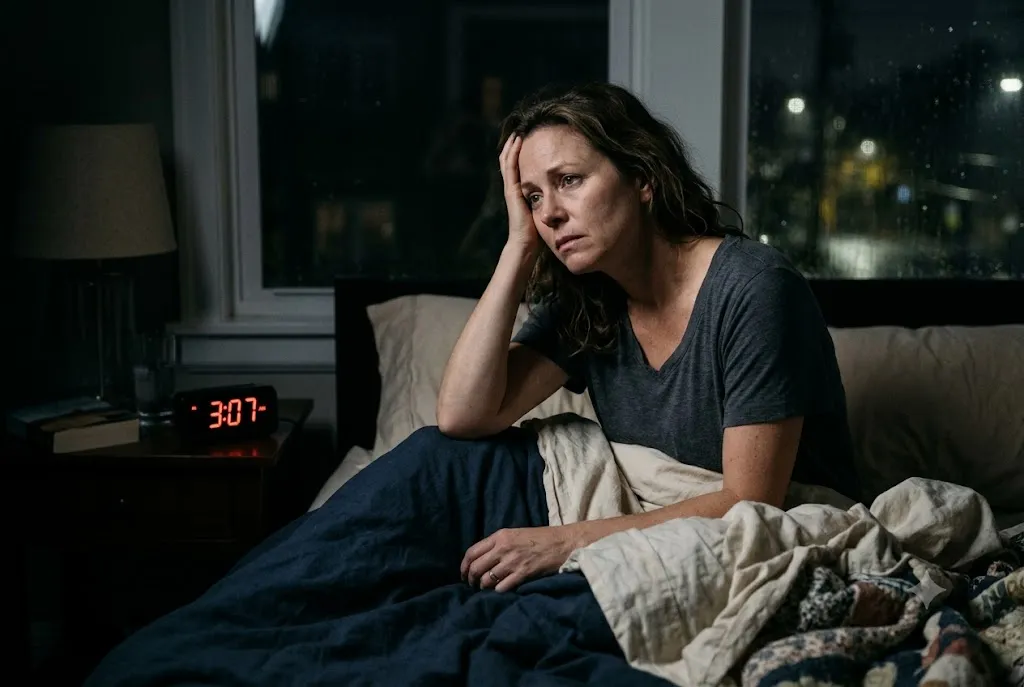
There is a particular kind of exhaustion that makes almost anything seem reasonable. Another drink. One more hour behind the wheel. An argument that could have waited until morning. A decision that feels perfectly logical at 2 a.m. and completely absurd when the sun comes up.
Most people recognize the feeling. What they rarely consider is how much of their judgment has already been compromised before they make the decision.
Sleep deprivation changes the way people evaluate consequences, process emotions, and respond to immediate rewards. Over time, poor sleep can become part of a larger cycle involving impulsive behavior, substance use, and difficulty regulating stress.
Researchers have spent decades investigating these connections, and the findings raise an uncomfortable question: how many decisions that appear reckless are partly the product of an exhausted brain?
How Sleep Loss Changes Decision-Making
The prefrontal cortex plays an important role in planning, behavioral control, and evaluating consequences. It helps people consider what might happen tomorrow instead of responding exclusively to what feels rewarding right now.
Sleep loss can interfere with these functions.
In practical terms, exhaustion can make it harder to adjust behavior after receiving information that should encourage caution.
Imagine someone driving home after a long shift. They recognize their fatigue and know they should stop. Yet the desire to get home quickly becomes increasingly persuasive. Their assessment of the situation begins to favor the immediate reward.
The relationship is complicated, however. Sleep deprivation does not make everyone more adventurous. Depending on the circumstances, it can also encourage unusually cautious choices. What matters is that exhaustion changes how the brain weighs competing outcomes.
A decision that would normally require careful consideration may suddenly feel straightforward.
The Connection Between Fatigue and Impulse Control
Self-control requires people to manage competing motivations. Someone might want another drink while knowing they have an important commitment the following morning. They might feel the urge to send an angry message but recognize that doing so could damage a relationship.
These small negotiations happen constantly.
Researchers writing in Frontiers in Human Neuroscience examined the relationship between sleep habits and self-control. Their review describes how insufficient sleep can undermine attention, behavioral regulation, and the ability to resist impulses.
The consequences often become visible in ordinary situations.
A tired person may spend money more carelessly, react aggressively to a minor inconvenience, or continue an activity long after deciding to stop. Each individual incident might seem insignificant. Repeated over months, these patterns can affect relationships, finances, and personal safety.
Chronic sleep restriction adds another complication. People sometimes become accustomed to feeling exhausted and underestimate how much their performance has deteriorated.
According to the Sleep Foundation's discussion of sleep debt, people can feel increasingly adapted to restricted sleep even while objective measures of their functioning remain impaired.
That makes poor sleep especially troublesome for people who pride themselves on functioning under pressure.
They may believe they have developed remarkable endurance when they have actually become less sensitive to their own limitations.
Why Alcohol and Sleep Problems Reinforce Each Other
Alcohol illustrates how an attempt to relieve one problem can quietly strengthen it.
Someone struggling with insomnia might discover that a few drinks make falling asleep easier. The immediate result appears encouraging. Their thoughts slow down, their muscles relax, and they drift off more quickly.
Then the second half of the night arrives.
Alcohol can fragment sleep, interfere with normal sleep architecture, and increase nighttime awakenings. Harvard Health explains that alcohol's initial sedating effects can give way to disrupted rest as the body processes it.
The next morning, the person wakes feeling exhausted despite spending several hours in bed.
By evening, they may feel anxious, irritable, or desperate for relaxation. Another drink offers familiar relief.
The cycle repeats.
For someone already vulnerable to problematic drinking, this pattern can become especially difficult to interrupt. Poor sleep can increase emotional distress, while continued alcohol consumption makes restorative sleep harder to achieve.
Alcohol also impairs judgment directly. When drinking occurs alongside sleep deprivation, the combination creates additional concerns around driving, injuries, and impulsive decisions.
Addressing sleep problems can therefore be an important part of understanding someone's relationship with alcohol.
When Risky Behavior Becomes a Coping Mechanism
People often engage in harmful behaviors because those behaviors provide something they urgently want.
A person experiencing overwhelming stress might seek the temporary relief of intoxication. Someone struggling with loneliness may pursue stimulation through gambling, reckless spending, or compulsive online activity.
Such actions can provide immediate emotional changes even when their longer-term consequences are damaging.
Sleep deprivation can make this trade-off more difficult to manage.
Consider a person who has been sleeping four or five hours per night for several weeks. They may become increasingly irritable, struggle to concentrate, and find previously manageable responsibilities exhausting.
At some point, the promise of immediate relief can become more attractive than the possibility of future harm.
The resulting behavior may then interfere with sleep, creating another self-reinforcing cycle.
An important distinction exists between occasional risky decisions and patterns associated with substance use disorders. Addiction involves persistent changes in behavior and control that cannot be explained by poor sleep alone.
Nevertheless, disrupted sleep deserves attention when clinicians evaluate factors that may contribute to continued substance use.
For individuals dealing with severe dependence, comprehensive treatment may involve medical assessment, psychological support, and specialized interventions. Some people also investigate emerging approaches offered through an ibogaine treatment center, although ibogaine remains investigational and carries serious cardiac risks requiring rigorous medical oversight.
Sleep restoration and treatment of any underlying sleep disorder remain important considerations regardless of the broader treatment approach.
Emotional Exhaustion Can Make Small Problems Feel Enormous
Anyone who has argued with a partner after a sleepless night understands that exhaustion changes emotional perspective.
A harmless remark can sound insulting. A delayed response can feel like rejection. Minor frustrations become difficult to tolerate.
Sleep helps regulate the brain systems involved in emotional processing. When adequate rest is missing, emotional reactions may become more intense and harder to manage.
This matters because many risky decisions begin with an emotional trigger rather than a carefully considered plan.
Someone experiences disappointment and drinks excessively. An argument leads to reckless driving. A stressful day ends with an impulsive decision to return to a previously abandoned habit.
The emotional state may last only a few hours. The consequences can continue much longer.
Research summarized by the Sleep Foundation connects insufficient sleep with mood disturbances and difficulties in cognitive functioning.
The findings suggest that maintaining regular sleep can support emotional stability, although sleep improvement alone cannot resolve every underlying psychological problem.
Breaking the Cycle Requires More Than an Earlier Bedtime
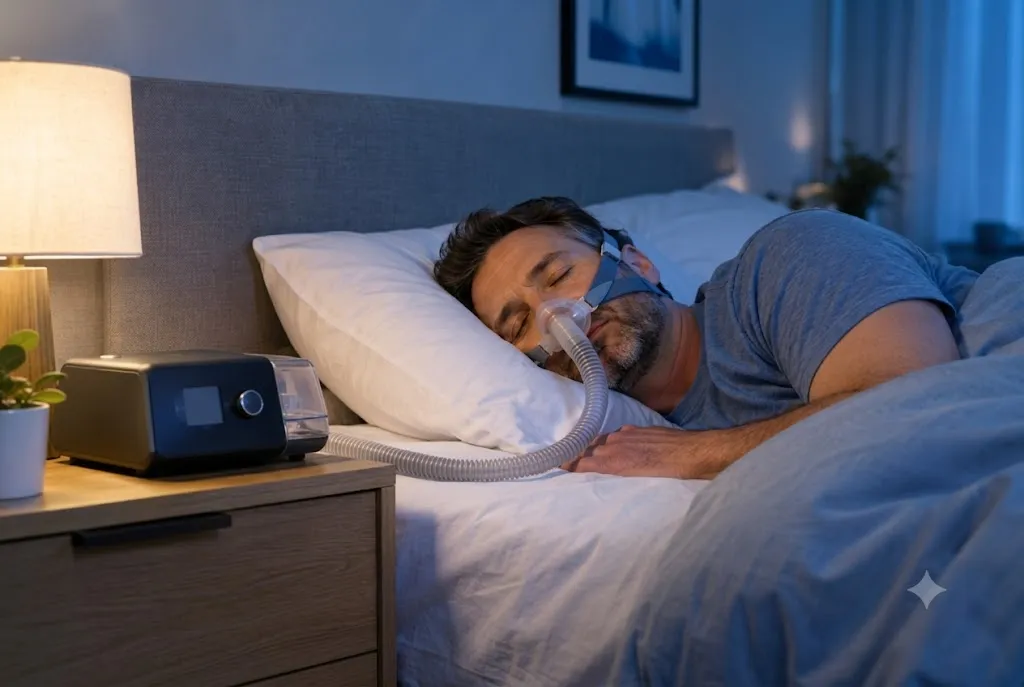
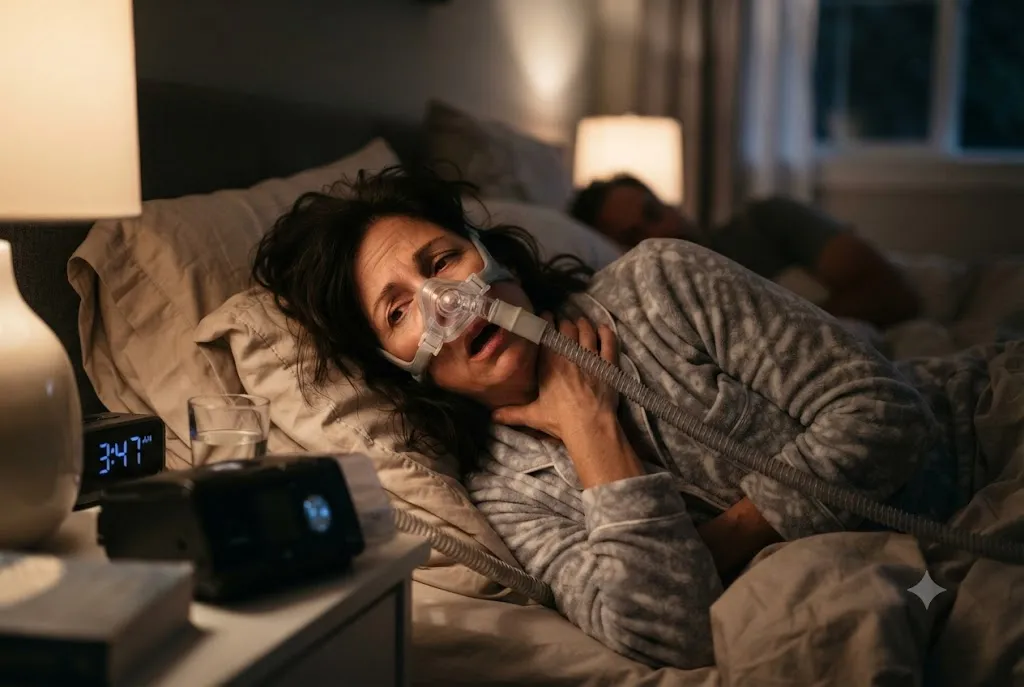
Sleep problems can arise from irregular work schedules, chronic pain, anxiety, medications, substance use, or conditions such as obstructive sleep apnea.
Telling someone to get more sleep accomplishes little when the reason they cannot sleep remains unaddressed.
Effective intervention begins with understanding the pattern.
A person whose sleep is disrupted by late-night alcohol consumption needs a different approach from someone experiencing untreated sleep apnea. Someone struggling with persistent insomnia may benefit from cognitive behavioral therapy for insomnia, commonly called CBT-I.
Lifestyle changes can also support recovery. Consistent waking times, morning daylight exposure, reduced evening alcohol consumption, and a bedroom environment that encourages uninterrupted rest are reasonable starting points.
The Cleveland Clinic's sleep hygiene guidance outlines practical ways to improve sleeping conditions and routines.
However, people who have developed alcohol dependence should seek medical advice before abruptly stopping, because withdrawal can be dangerous.
Changes in risky behavior may also require professional support, especially when impulsivity, substance use, or mental health concerns have become persistent.
A Clearer Mind Changes the Choices Available
There is a tendency to evaluate human behavior as though every decision occurs under ideal conditions.
We expect people to think clearly, control their emotions, and consider future consequences regardless of how exhausted they feel.
Human brains are considerably less predictable.
Poor sleep can distort the mental calculations behind everyday choices. It can magnify distress, weaken attention, and alter how rewards and consequences are evaluated.
Understanding these effects creates an opportunity to recognize warning signs earlier.
Someone repeatedly making impulsive decisions might need support with stress, substance use, or underlying mental health concerns. They might also be living with a significant sleep problem that has gone unnoticed.
Sleep will never eliminate every bad decision. But when the brain has enough rest to process information and regulate emotional responses, people are generally better equipped to recognize the difference between temporary relief and lasting consequences.
And sometimes that difference changes everything.

लेखक